
Emergency Roof Repair: Storm to Prevention
From active leaks to post-storm damage, here's what Suffolk County homeowners need to know about roof repair — before, during, and after the crisis.
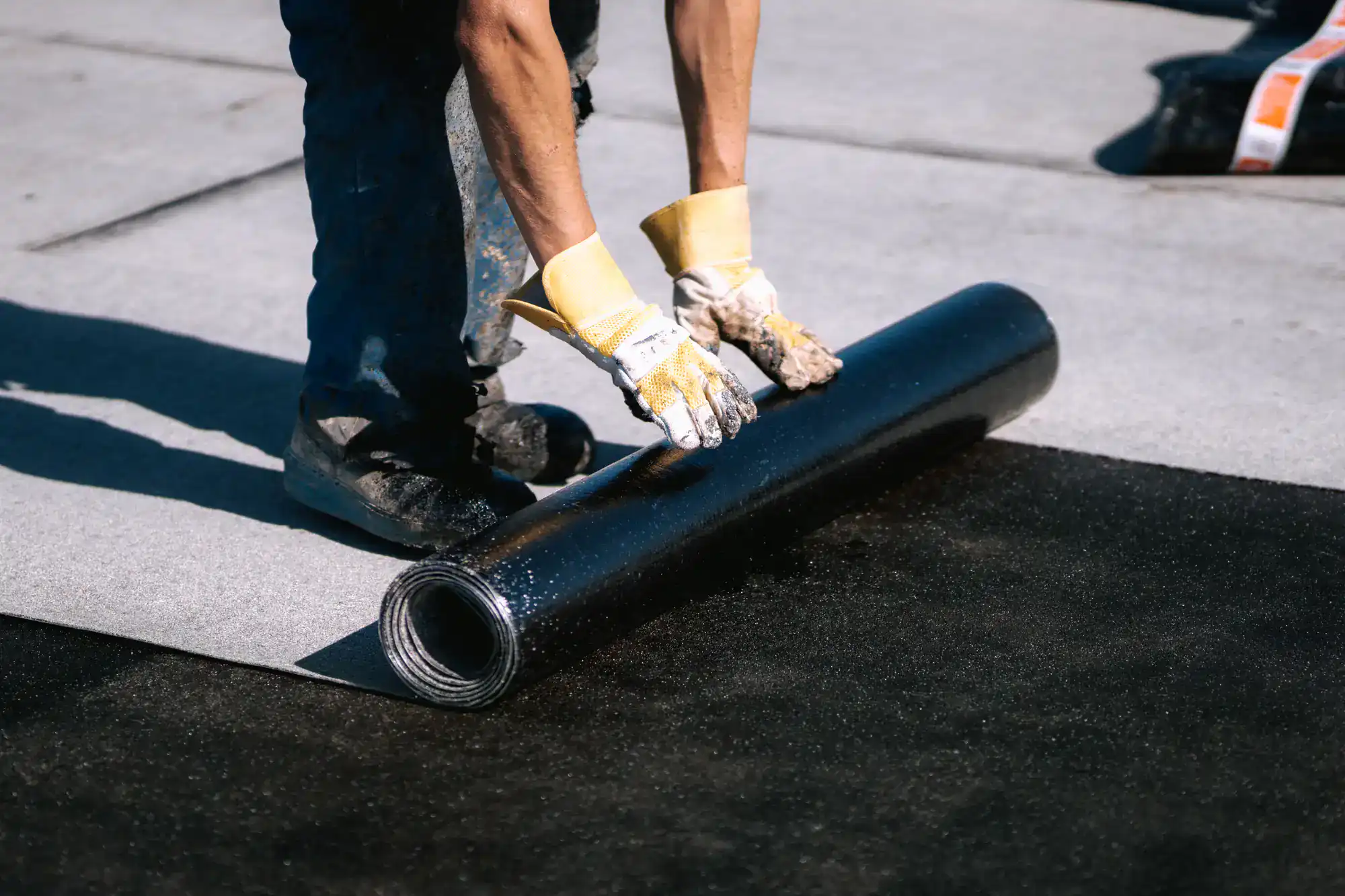
If you’re reading this after noticing a water stain on your ceiling or a shingle in your yard, you’re already behind the clock. Roof damage in Suffolk County doesn’t give you much of a grace period — between nor’easters, coastal winds, and freeze-thaw cycles that batter homes from Babylon to Riverhead, what starts as a minor issue can become a major repair in a matter of weeks.
This page covers the full picture: what to do in an emergency, what different types of roof damage actually look like, what repairs cost, and how to make sure the fix actually holds. No fluff — just the information you need to make a smart decision.
Roof Leak Repair: What's Actually Happening Inside Your Roof
A leaking roof is rarely just one problem. By the time you see water on your ceiling, it’s already traveled — through the sheathing, past the insulation, along a rafter — before it found a place to drip. The entry point is almost never directly above where the water shows up inside.
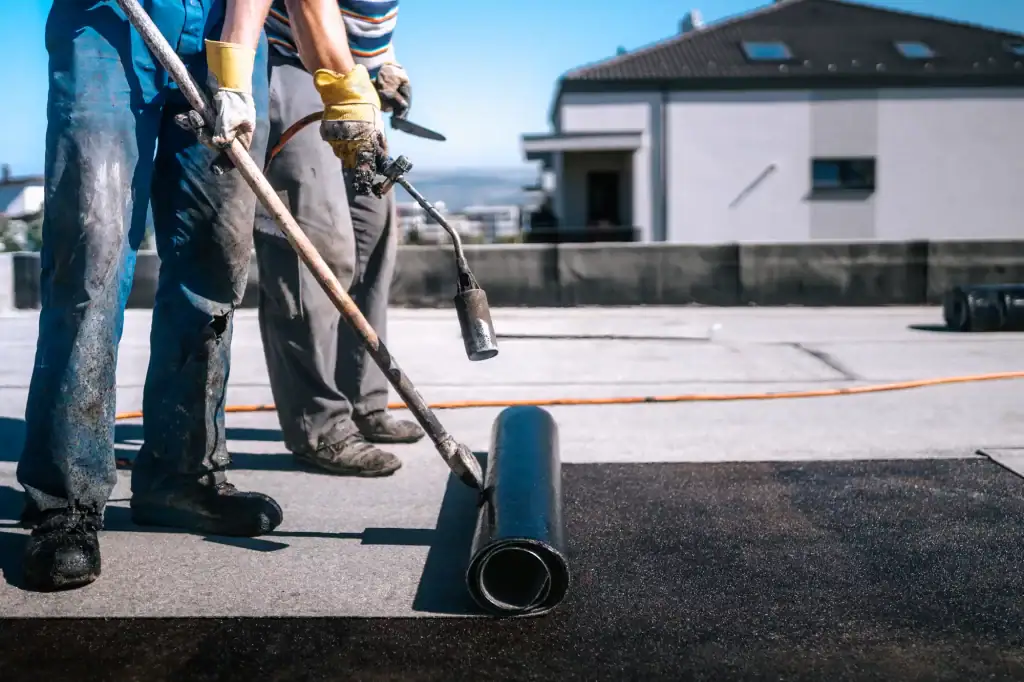
That’s why a href=”https://expresswayroofingandchimney.com/roofing-long-island-new-york/roof-repair-long-island-new-york/”>roof leak repair isn’t as simple as patching the obvious spot. A proper diagnosis traces the water back to its actual source, whether that’s a cracked pipe boot, deteriorated flashing around a chimney, a failed valley, or lifted shingles after a windstorm. Getting that right the first time is what separates a repair that lasts from one that fails again in three months.
What Causes a Leaking Roof in Suffolk County Homes
Suffolk County homes face a specific set of stressors that homeowners in less exposed areas simply don’t deal with at the same frequency. Salt air accelerates corrosion on metal flashing, chimney caps, and gutter fasteners — particularly for homes within a mile or two of the Sound, the Atlantic, or the Great South Bay. What might last 20 years on a roof in central New York can start failing in 10 on a waterfront property in Bay Shore or Northport.
Beyond salt exposure, the most common causes of roof leaks across Suffolk County are flashing failures, aging sealants around skylights and chimneys, and shingle damage from wind and hail. Flashing — the thin metal strips that seal transitions between your roof and vertical surfaces — is the single most common leak source on Long Island roofs. It expands and contracts with temperature changes, and after enough cycles, the seals crack and pull away.
Hail is another factor that’s easy to underestimate. Hailstones can fall at speeds exceeding 100 mph, and the damage doesn’t always look dramatic from the ground. What you’re looking for are bruised or dented shingles, granule loss in your gutters, and soft spots in the surface of the shingle. That granule loss matters — it’s what protects the asphalt beneath from UV degradation. Once it’s gone, the shingles age much faster.
Older homes add another layer of complexity. A significant portion of the housing stock across Huntington, Islip, Babylon, and central Brookhaven was built during the post-WWII suburban expansion of the 1950s and 1960s. Those homes are now 60 to 70 years old, and many have had their roofs replaced once — meaning the current roof is 20 to 30 years into its lifespan and past its prime. On these homes, a single storm event can expose multiple failure points at once.
Roof Repair Cost: What to Expect Before You Call
One of the most common questions homeowners ask before picking up the phone is some version of: “Am I looking at a few hundred dollars or a few thousand?” It’s a fair question, and the honest answer is that it depends — but there are reasonable ranges you can use as a starting point.
For most minor repairs — replacing a handful of damaged shingles, resealing a pipe boot, or patching a small section of flashing — you’re typically looking at somewhere between $300 and $800. More involved work, like replacing a full valley or repairing significant flashing around a chimney, generally runs $1,000 to $2,500. If the leak has been active long enough to damage the roof decking beneath the shingles, costs can climb higher because the structural layer needs to be addressed before anything else is installed over it.
The cost per square foot for asphalt shingle repair typically falls between $4 and $10, depending on how accessible the area is and how much material needs to come off to get to the problem. Specialty materials — cedar shake, slate, tile — cost more to repair, both because the materials themselves are more expensive and because the work requires a different skill set. Not every roofing contractor in Suffolk County has hands-on experience with slate, which is worth keeping in mind if you own an older home on the East End.
The more important number, though, is the cost of waiting. A repair that runs $1,200 today can become a $5,000 project if the leak continues for several more months — saturating insulation, rotting decking, and potentially creating conditions for mold growth in the attic. The repair cost itself is rarely the most expensive part of the story. The damage that accumulates while the repair gets delayed usually is.
Roof Ice Dams: A Suffolk County Problem That Gets Worse Every Winter
Ice dams are one of those issues that look manageable from the outside but can cause serious damage before most homeowners realize what’s happening. They form when heat escaping from the living space warms the upper portion of the roof, melts the snow, and sends water running down toward the eaves — where it refreezes because that part of the roof sits over unheated overhang. The ice builds up into a ridge, and the water behind it has nowhere to go except backward under the shingles.
Once water gets under the shingles, it’s inside your roof assembly. From there, it soaks into the decking, finds its way past the insulation, and eventually shows up as a ceiling stain or an active drip — usually during a warm spell when the dam partially melts.
Removing Ice Dams Safely Before They Damage Your Roof
The instinct for a lot of homeowners is to grab a hammer, a rake, or a heat gun and start chipping. That approach causes more damage than it prevents. Aggressive removal tears shingles, gouges the surface, and can compromise the waterproofing layer underneath. The goal isn’t to remove every trace of ice — it’s to create a channel that lets trapped water drain off the roof before it works its way inside.
We use low-pressure steam or carefully applied heat to melt channels through the dam without damaging the roof surface. It’s slower than hammering, but it’s the method that doesn’t leave you needing another roof repair on top of the ice dam problem.
Roof snow removal is a related service that’s worth considering before ice dams form. Clearing accumulated snow from the roof — particularly after the heavy, wet snowfalls that Suffolk County gets in late winter — reduces the melt-refreeze cycle that causes dams in the first place. It’s not a permanent fix, but it buys time and reduces the load on the structure. For older homes with lower roof pitches, heavy snow accumulation is also a structural concern, not just a leak risk.
The longer-term solution to ice dams is improving attic insulation and ventilation so that the roof deck stays uniformly cold and snow melts evenly rather than in patches. That’s a conversation worth having after the immediate problem is resolved. But when there’s active ice buildup and water is already finding its way in, the priority is stopping the damage — and that means getting someone on the roof who knows what they’re doing.
Emergency Roof Tarping: The First Line of Defense After a Storm
When a storm takes out a section of your roof — whether it’s a nor’easter pulling up shingles, a tree limb punching through the decking, or hail damage that leaves the underlayment exposed — the immediate priority is stopping additional water from getting in. That’s where emergency roof tarping comes in.
A properly installed tarp isn’t just throwing a blue sheet over the damage. It needs to be secured in a way that won’t fail in the next round of wind, positioned to shed water away from the opening, and sized to cover not just the visible damage but the surrounding area where water could still find an entry point. Done right, it buys you the time to schedule a permanent repair without the damage continuing to worsen in the meantime.
Emergency roof tarping also matters for insurance purposes. Most homeowners’ insurance policies require that you take reasonable steps to prevent further damage after a covered event. A documented, professional tarp installation — with photos of the damage before and after — supports your claim and demonstrates that you acted promptly. That documentation becomes part of the record when your adjuster reviews the claim.
In Suffolk County, emergency temporary repairs like tarping don’t require a building permit, which means we can respond and get protection in place the same day without waiting on approvals. For permanent repairs, permits are required, and we pull them — because unpermitted roofing work can give your insurance company grounds to deny future claims, even years down the line.
Roof Repair in Suffolk County: What to Do Next
Whether you’re dealing with an active leak, storm damage, ice buildup, or a roof that’s been showing warning signs for a while, the path forward is the same: get an honest assessment from someone who knows what they’re looking at, understand what the repair actually involves, and make a decision before the damage gets ahead of you.
The most expensive roof repairs in Suffolk County are almost always the ones that waited too long. What starts as a flashing issue or a few lifted shingles becomes a decking replacement, an insulation overhaul, and sometimes a mold remediation job — all because the original problem didn’t get addressed.
We’ve been working on Long Island roofs for over 22 years, and a free estimate from Expressway Roofing & Chimney, Inc. costs you nothing except a few minutes of your time. Call us today.
Article details:
- Published by:
- Roofing & Chimney Contractor Long Island, NY
- Published to:
- Last modified: June 18, 2026
- July 1, 2026
Share:
Continue learning: