
Flat roofs offer modern appeal and practical benefits, but they need specialized care. Here's what every Long Island homeowner should know before choosing or maintaining one.
Let’s clear something up right away. Flat roofs aren’t actually flat. If they were, water would sit there until it found a way through your roof membrane. Every flat roof has a slight slope, usually around a quarter inch per foot, just enough to guide water toward drains without being noticeable from the ground.
This design shows up most often on commercial buildings, but residential use is growing. You’ll find flat roofs on detached garages, over porches and entryways, on modern architectural homes, and as additions to traditional houses. They work especially well when you want clean lines, extra outdoor space, or a platform for solar panels.
In Long Island specifically, flat roofs make sense for properties where traditional pitched roofs would look out of place or where you’re maximizing usable square footage. Just know that our climate, with heavy rain, snow loads, and coastal salt air, means your material choice and contractor experience matter more here than in drier regions.
Walk into any roofing conversation and you’ll hear acronyms thrown around like everyone knows what they mean. Let’s fix that. The three most common flat roofing materials in our area are EPDM, TPO, and PVC, and each one handles Long Island weather differently.
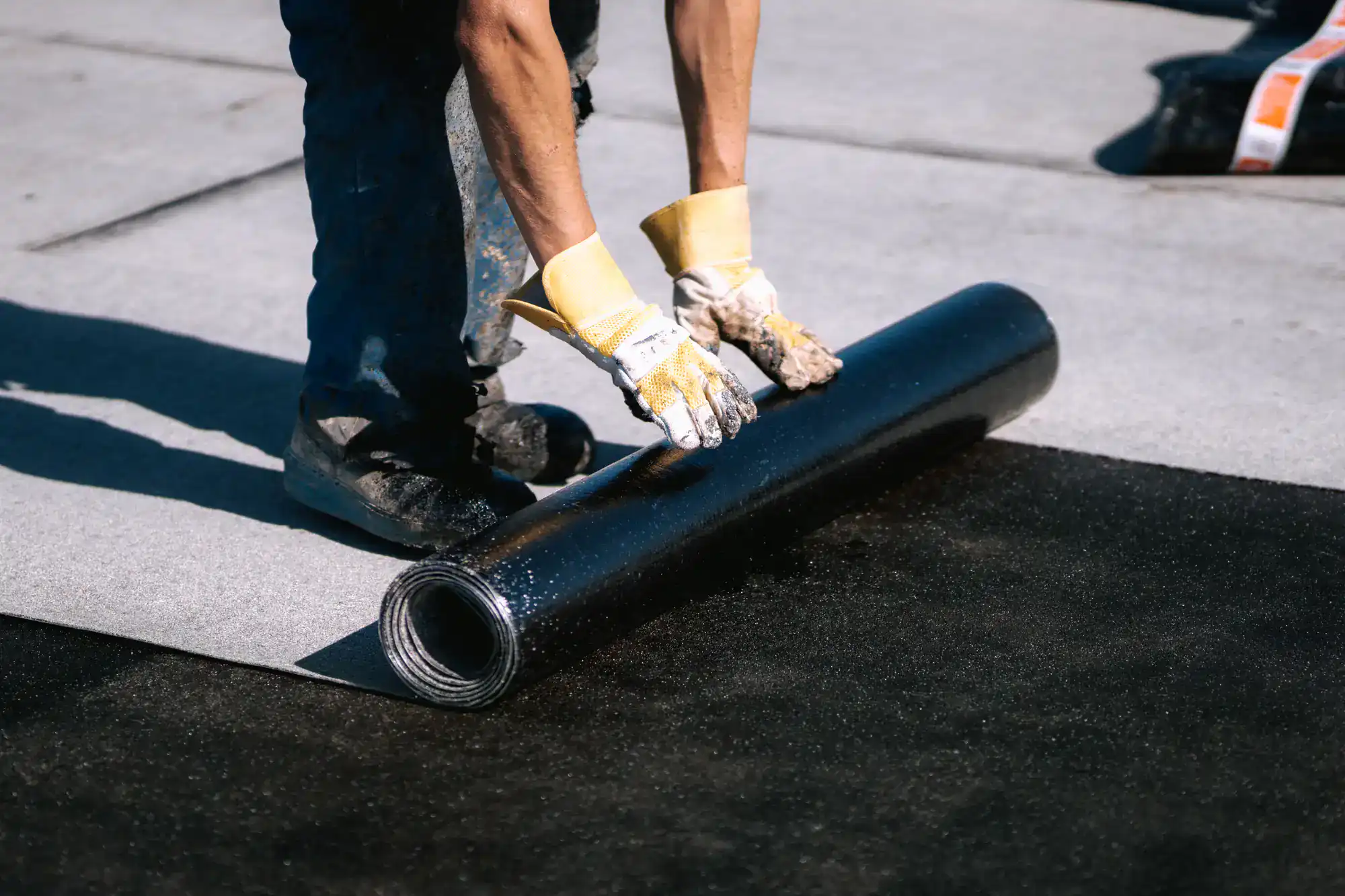
EPDM is synthetic rubber, usually black, though white versions exist. It’s been around since the 1960s and has a proven track record. This material is flexible even in cold temperatures, which matters during our winters. It’s also typically the most affordable option and can last 30 years or more when properly maintained. The downside? Seams are joined with adhesive tape rather than heat welding, which means they’re more vulnerable to separation over time. You’ll see EPDM on residential garages, small commercial buildings, and home additions throughout Nassau and Suffolk Counties.
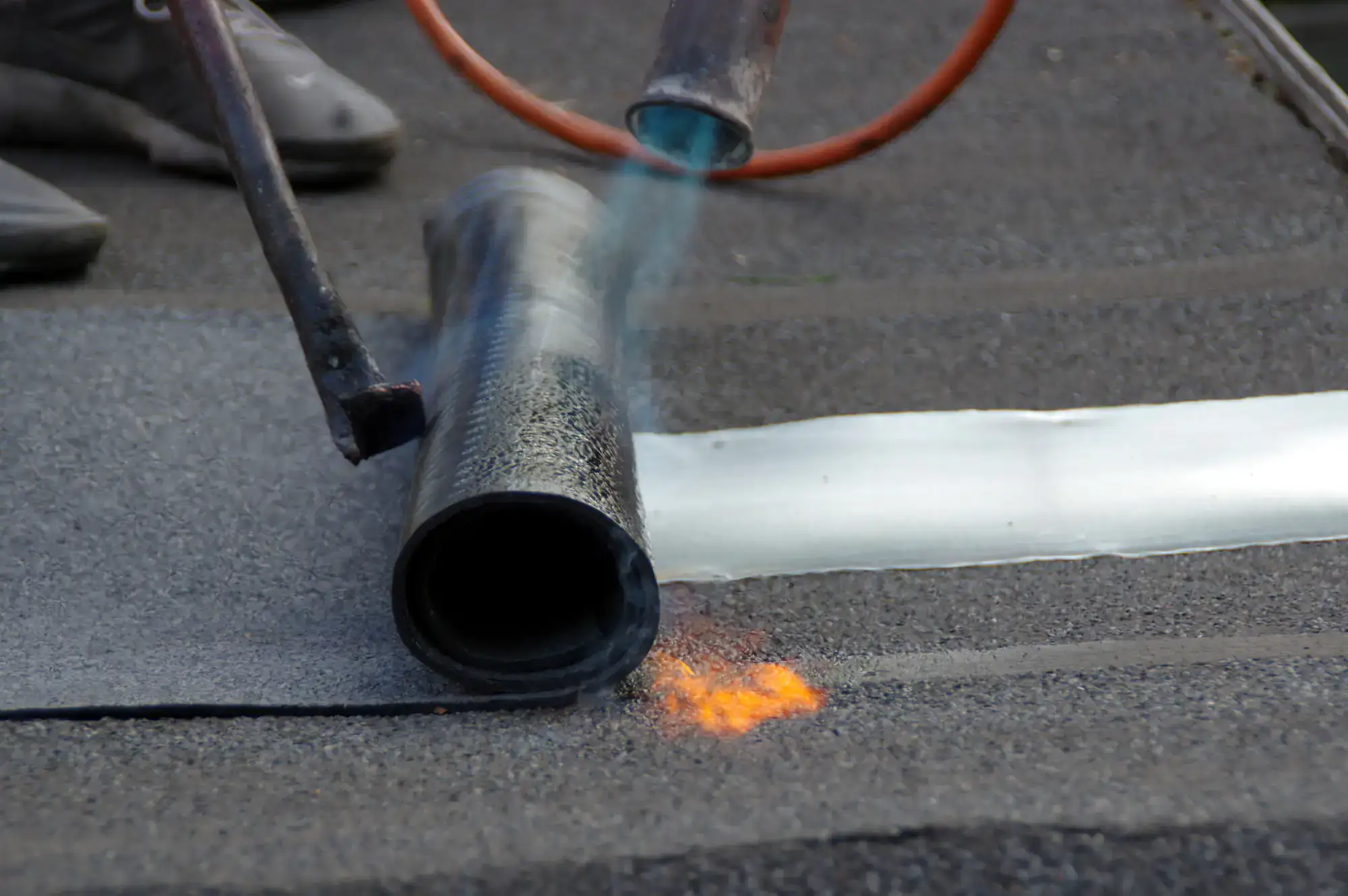
TPO, short for thermoplastic polyolefin, is the newer option that’s gained serious ground in the last two decades. It comes in white or light colors, which reflects sunlight and can actually lower your cooling costs in summer. The seams are heat-welded together, creating a stronger bond than adhesive. TPO resists dirt buildup, mold growth, and punctures better than EPDM. The catch is that it’s a newer material, so we don’t have the same decades of field data. Most TPO roofs last 15 to 25 years, though quality varies between manufacturers.
PVC roofing offers the highest durability of the three. It’s more resistant to chemicals, grease, and punctures, which is why you’ll see it on restaurants and industrial buildings. It’s also heat-welded and highly reflective. The main reason it’s not everywhere? Cost. PVC typically runs higher than EPDM or TPO, though the extra durability can justify the investment for the right property.
Modified bitumen and built-up roofing systems also exist, especially on older commercial buildings. These involve multiple layers of asphalt-based materials. They’re durable but heavier and more labor-intensive to install. Most residential projects today lean toward single-ply membranes like EPDM or TPO for their balance of performance and cost.
Your choice should factor in your budget, how long you plan to own the property, whether energy efficiency matters to you, and what’s actually on your roof now if you’re replacing an existing system.
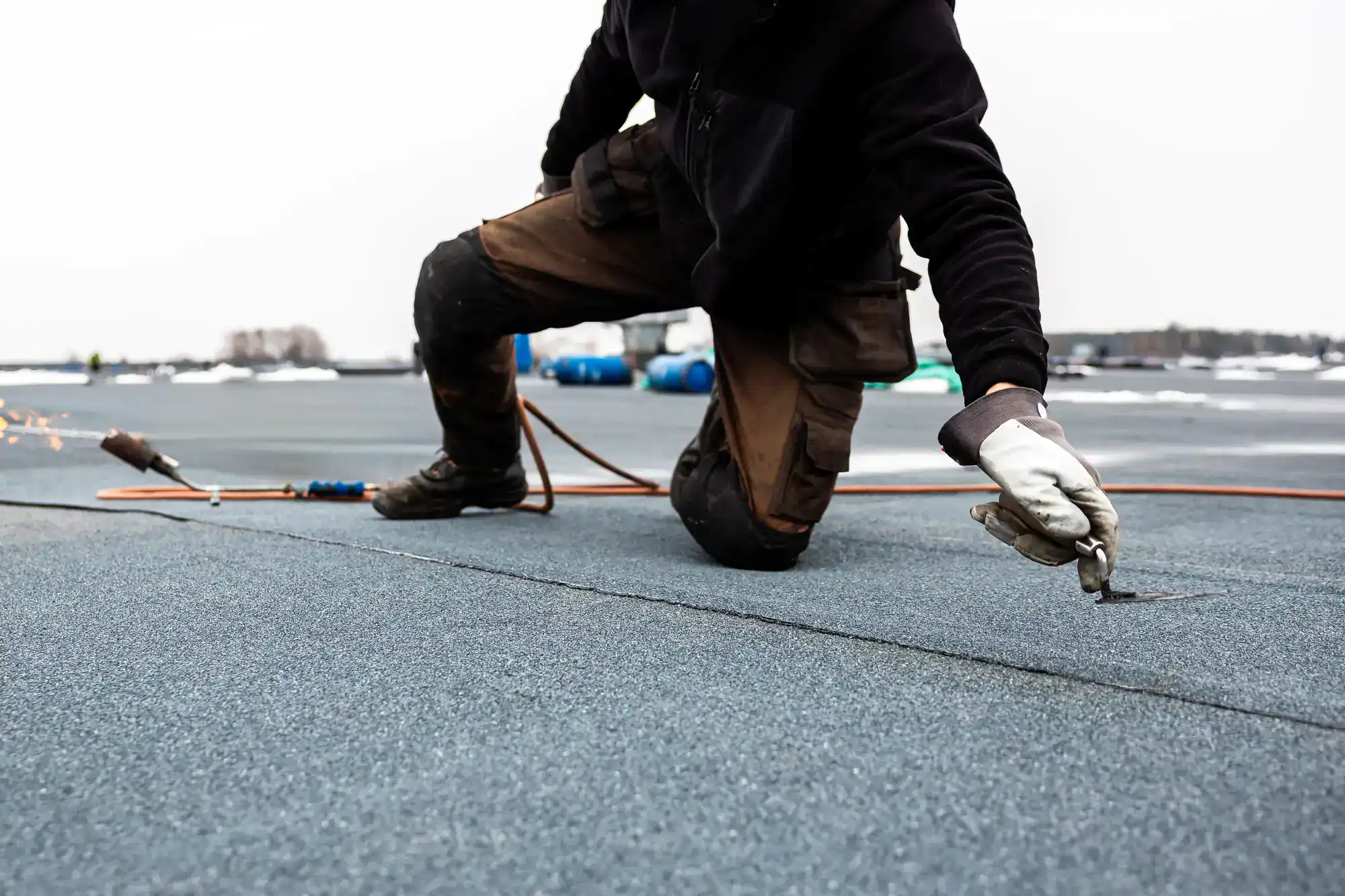
Here’s an uncomfortable truth about flat roofing: the material quality matters less than the installation quality. You can buy the best EPDM or TPO membrane on the market, but if it’s installed by someone who doesn’t understand proper slope, flashing details, or seam techniques, you’ll have problems within a few years.
Poor installation is the leading cause of premature flat roof failure. We’re talking about issues like insufficient slope that allows water to pond, improperly sealed seams that separate and leak, flashing around vents and edges that wasn’t detailed correctly, and drainage systems that weren’t positioned or sized appropriately for the roof area.
Long Island’s building codes exist for good reasons. They account for our snow loads, wind ratings for coastal areas, and proper ventilation requirements. A contractor who’s worked in this region for years knows these codes inside and out. They also understand how salt air affects different materials and which products hold up best in our humidity.
When you’re vetting contractors, ask how long they’ve been installing flat roofs specifically. Ask about their experience with the material they’re recommending for your project. Check if they’re licensed and insured in New York. And get references from jobs they completed at least three to five years ago so you can see how those roofs have held up over time.
The cheapest bid often becomes the most expensive roof. Installation shortcuts show up as leaks, callbacks, and early replacement. You want someone who’ll do it right the first time, even if that costs a bit more upfront. The difference in price between a mediocre installer and an experienced professional is usually a fraction of what you’ll spend fixing problems down the road.
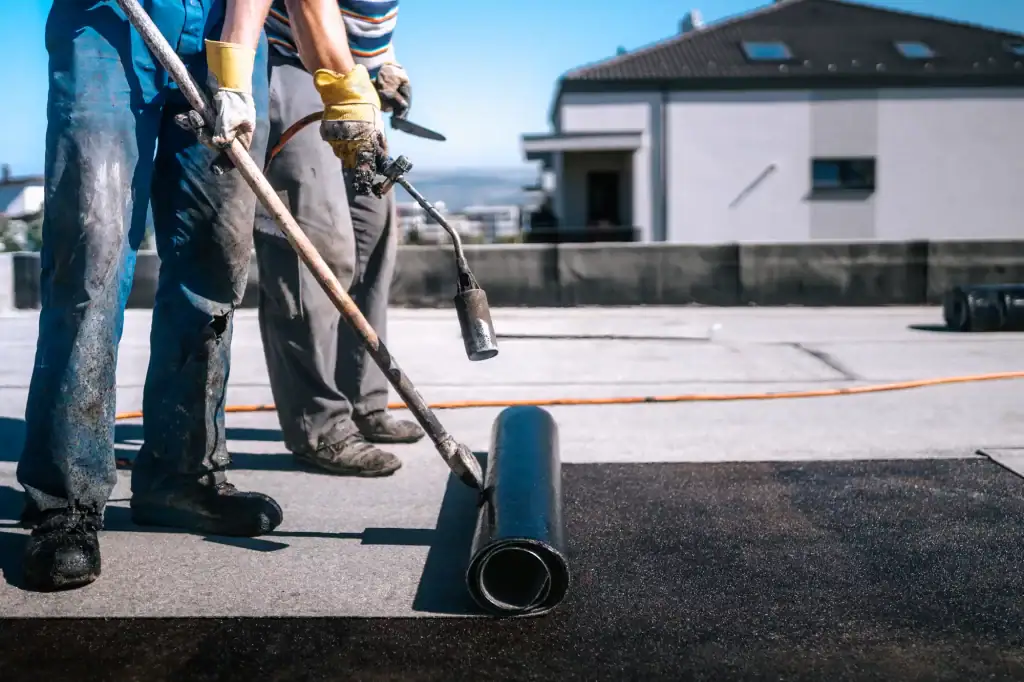
Every roofing system has weak points. For flat roofs, the issues tend to cluster around water management, membrane integrity, and maintenance neglect. Understanding what typically goes wrong helps you catch problems early, when they’re still cheap and easy to fix.
Let’s walk through the big ones. Ponding water sits at the top of the list. Despite that slight slope we talked about earlier, low spots can develop over time as buildings settle or insulation compresses. If water sits on your roof for more than 48 to 72 hours after rain, that’s ponding, and it’s a problem. The weight stresses your roof structure, the constant moisture degrades your membrane material, and eventually you get leaks.
Seam separation and membrane damage come next. Flat roof membranes are installed in large sheets that must be joined together. Those seams are the most vulnerable spots on your entire roof. On EPDM, adhesive can fail over time. On TPO and PVC, improper heat welding creates weak points. Add in punctures from falling branches, hail, or foot traffic, and you’ve got openings for water to get through.
Drainage problems often start small and snowball. Leaves and debris accumulate in gutters and drains. Water backs up. Ice forms in winter and expands. Suddenly your carefully engineered drainage system isn’t draining anything, and you’re back to ponding water and all the issues that come with it.
Most flat roof problems announce themselves before they become catastrophes. The trick is knowing what to look for and actually looking on a regular basis.
Start with visible water stains on your ceiling or walls below the flat roof. That’s the obvious one, but by the time water’s making it inside, you’ve already got damage happening in your roof deck and insulation. Better to catch things earlier.
Walk your roof if it’s safe to do so, or get up there with binoculars from the ground. Look for areas where water clearly sat after the last rain. Check if debris has piled up anywhere. Inspect the membrane surface for cracks, blisters, or areas where it looks worn or damaged. Pay special attention to seams and anywhere the roof meets a wall, vent, or other penetration.
Your drainage components need regular attention. Are your gutters clear? Do your drains have covers, and are those covers clean? Can you see daylight through downspouts, or are they clogged? In winter, look for ice dams or areas where snow isn’t melting evenly, which can indicate insulation problems or poor ventilation.
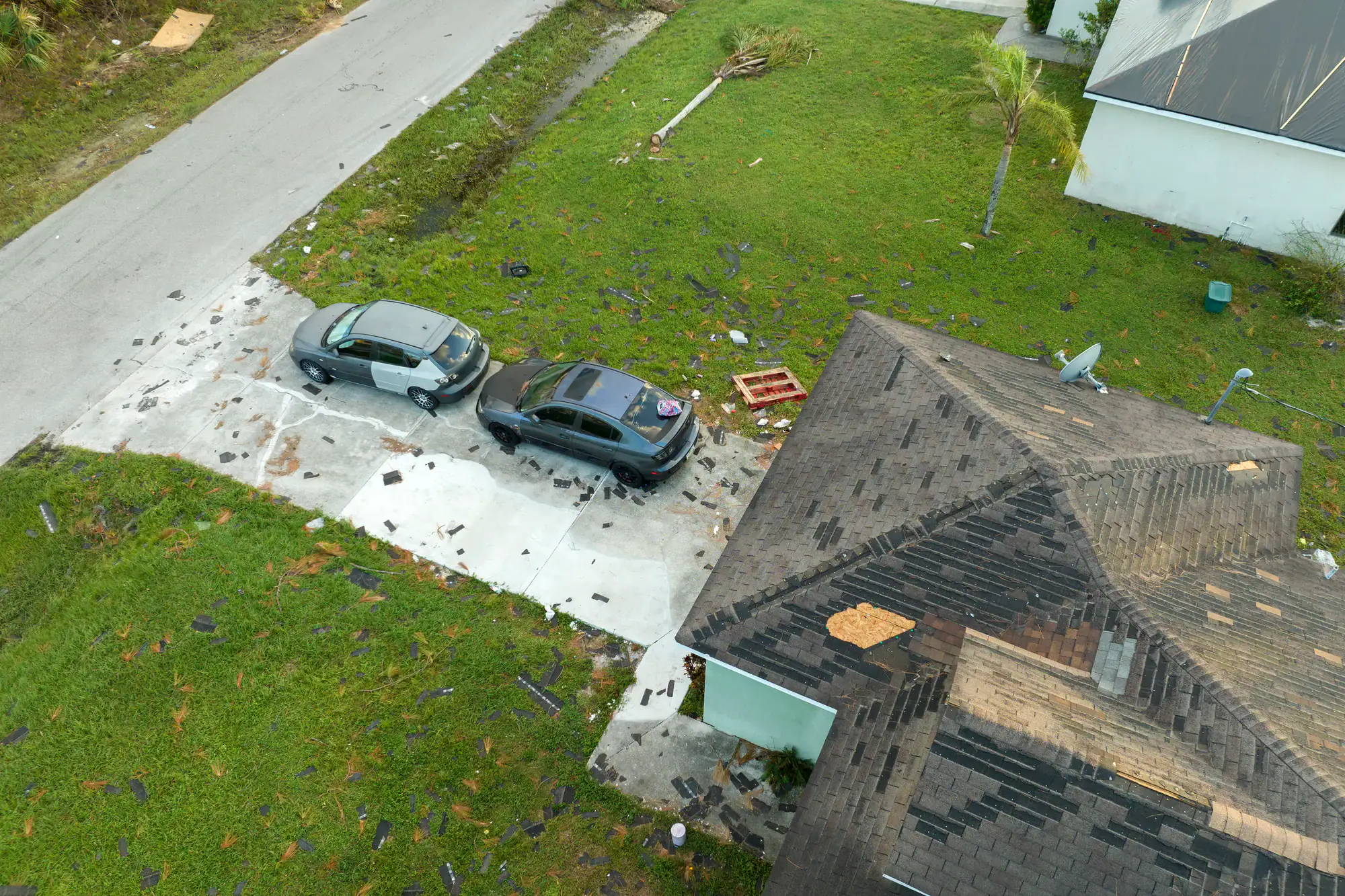
Flat roofs should be inspected at least twice a year, typically in spring and fall. After any major storm, especially one with high winds or hail, do another check. Long Island gets its share of weather, and catching storm damage within days instead of months can be the difference between a simple patch and a full membrane replacement.
If you’re not comfortable getting on your roof or don’t know what you’re looking at, hire a professional for inspections. A couple hundred dollars for a thorough inspection is nothing compared to the thousands you’ll spend if a small problem turns into a big one while you’re unaware.
Maintenance isn’t glamorous, but it’s the single biggest factor in whether your flat roof lasts 10 years or 30 years. We’re not talking about complicated procedures here. We’re talking about consistent, basic care that prevents the issues we just covered.
Clear debris regularly. Leaves, branches, dirt, everything that lands on your roof should come off. Flat roofs don’t shed debris the way pitched roofs do, so it accumulates. That debris holds moisture against your membrane, clogs your drains, and can even start growing vegetation if you ignore it long enough. A simple broom or leaf blower every month or two, plus after any storm, keeps this under control.
Keep your drainage system functioning. Clean gutters and downspouts before they overflow. Make sure drain covers are in place and clear. If you notice water draining slowly or not at all, address it immediately. In winter, don’t let ice build up around drains or in gutters. That ice expands and can damage flashing and membrane edges.
Address small repairs quickly. See a small crack or blister? Get it patched. Notice a seam that looks like it’s starting to separate? Have someone reseal it. These repairs are cheap and fast when they’re small. Wait until they’ve been leaking for months, and you’re replacing insulation and roof deck in addition to the membrane.
Consider professional maintenance contracts. Many roofing contractors offer annual or bi-annual maintenance programs where they inspect your roof, clear debris, make minor repairs, and document everything. For a few hundred dollars a year, you get peace of mind and you catch problems before they become emergencies. It’s basically insurance that your roof will hit its expected lifespan instead of failing early.
Some materials benefit from recoating after 10 to 15 years. A new protective coating can add another 5 to 10 years to your roof’s life for a fraction of what replacement costs. Ask your contractor if this makes sense for your specific roof type and condition.
Flat roofing works well for the right applications when it’s done correctly and maintained properly. That’s the entire equation. You’ve now got the knowledge to understand what “done correctly” actually means, what problems to watch for, and how to keep your roof protecting your property for decades instead of failing in a few years.
The biggest mistakes happen when people treat flat roofs like they’re maintenance-free or when they hire the wrong contractor to save a few dollars upfront. Neither of those approaches works out well. This is your home or business we’re talking about. The roof is literally what keeps everything else dry and functional.
If you’re considering a flat roof for a new garage, addition, or home, talk to contractors who specialize in this type of work and who understand Long Island’s specific challenges. If you already have a flat roof and you’re not sure when it was last inspected or maintained, now’s the time to find out what condition it’s actually in.
For over 20 years, we’ve been helping Long Island property owners with flat roofing installation, repair, and maintenance throughout Nassau and Suffolk Counties. Whether you need emergency repairs, routine maintenance, or you’re planning a new flat roof project, working with experienced professionals who know this region makes all the difference.
Article details:
Share:
Continue learning: