
Your Long Island roof faces nor'easters, salt air, and freeze-thaw cycles. Discover when repair makes sense, when replacement saves money, and what warning signs demand immediate attention.
Your roof doesn’t send you a text message when something’s wrong. Instead, it leaves clues—some obvious, most not. The tricky part is knowing which signs mean “call a roofing contractor today” versus “keep an eye on it.”
Missing or damaged shingles after a storm are easy to spot from your driveway. What you can’t see from the ground is whether water got under the moisture barrier, whether your decking is compromised, or whether that one missing shingle is part of a bigger pattern of failure. Water stains on your ceiling or walls mean water has already found a way in, and the actual leak source might be nowhere near where you see the stain—water follows the path of least resistance through your attic.
If you’re finding shingle granules in your gutters and your roof is over ten years old, that’s your roof losing its protective coating. Curling, cupping, or cracked shingles mean the material has lost flexibility and weather resistance. In Long Island’s climate—with salt air, freeze-thaw cycles, and coastal storms—these problems don’t stay small for long.
Long Island roofs don’t just deal with typical wear and tear. They battle conditions that shorten even quality materials’ expected lifespan. Your roof faces nor’easters with winds exceeding 60 mph, heavy snow loads that can exceed design limits, and salt air that corrodes metal roof components and chimney flashing faster than inland areas experience.
Suffolk County alone has weathered 45 hurricanes since 1930, plus countless nor’easters, ice storms, and severe thunderstorms. Each one of these events tests your roof’s integrity. The 2012 Hurricane Sandy demonstrated just how vulnerable Long Island roofs are—hundreds of thousands of homes suffered roof damage, and many homeowners discovered that what seemed like minor issues had actually compromised their roof’s structural integrity.
Winter brings its own set of problems for every roofing system. Ice dams, heavy snow loads, and freeze-thaw cycles are the three biggest threats. When temperatures drop below freezing, ice dams can form. Snow melts from your attic’s heat, runs down to the cold eaves, and refreezes. That ice backs water up under your shingles, and suddenly you’ve got leaks in January that weren’t there in November. A foot of packed, wet snow can weigh 15 to 20 pounds per square foot—that’s several tons of weight on a typical Long Island home.
Summer isn’t kind either. Months of intense heat and UV exposure bake your roofing materials daily. UV radiation gradually degrades asphalt-based shingles, drying out the oils that keep them flexible. The result? Shingles become brittle, crack, or curl at the edges. The dark color of most roofs absorbs sunlight, compounding the heat and UV intensity the shingles must withstand.
The combination of factors working against your roof simultaneously is what makes Long Island particularly challenging. Coastal storms bring high wind speeds that can lift shingles, break flashing, and cause structural damage to the roof deck. The salty air from the ocean accelerates corrosion on metal roofing systems, chimney caps, and gutters, weakening materials and making them even more vulnerable during extreme weather conditions. Then the freeze-thaw cycle causes shingles to expand and contract, leading to cracking, warping, and curling.
After a major storm hits Long Island, most homeowners walk outside, look up at their roof, and think everything’s fine if they don’t see obvious damage. That’s exactly when hidden problems start their slow march toward your ceiling.
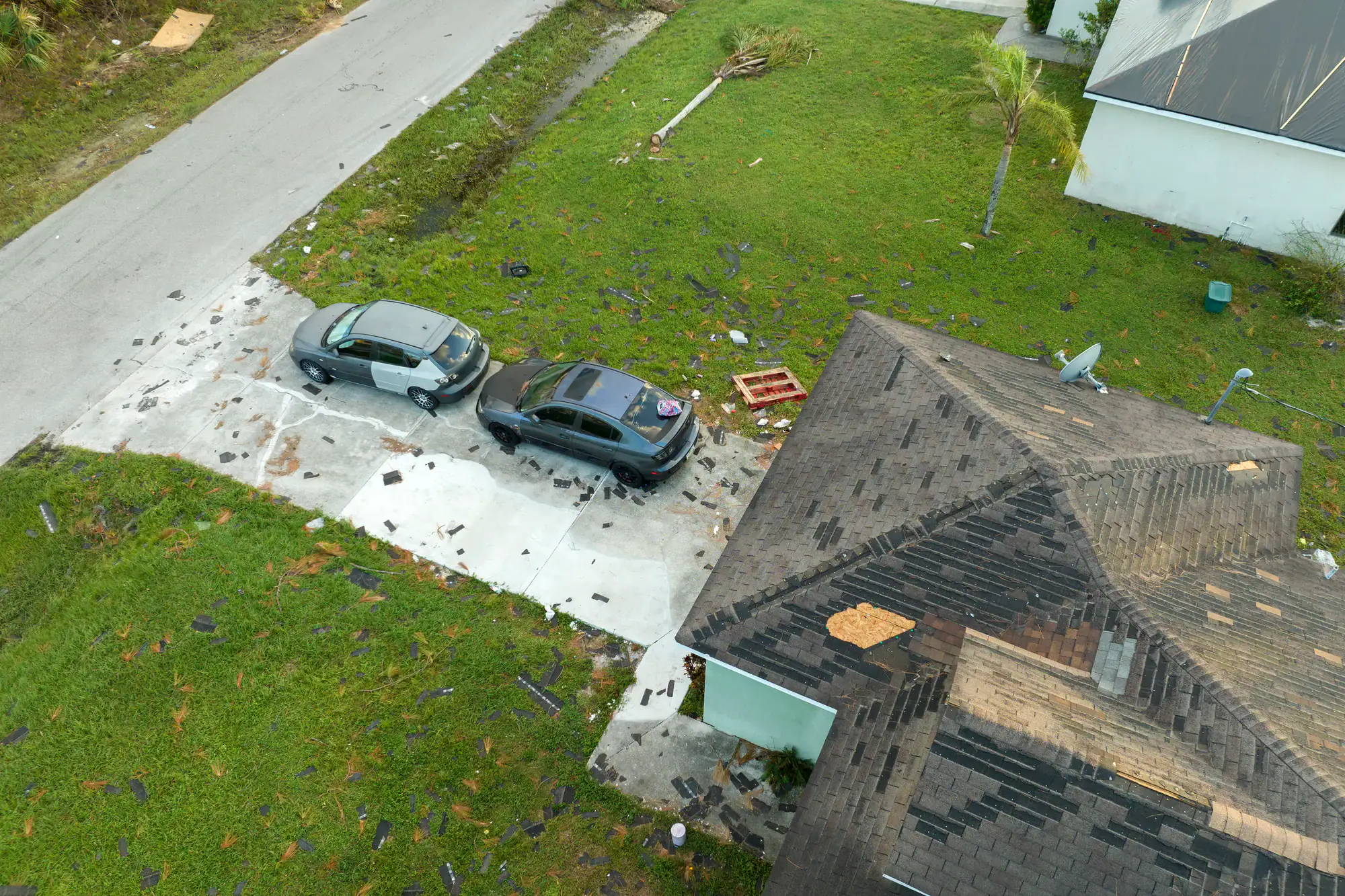
Storm damage isn’t always obvious after severe weather. Missing shingles are easy to spot, but subtle damage like loosened flashing, cracked sealant, or compressed insulation can cause problems months later. During severe storms, wind can lift and break the sealing strip between shingles. Although the shingles may appear undamaged from the ground, compromised sealing strips can lead to future leaks and significant issues that require emergency roof repair down the road.
Hail damage may not be immediately noticeable to the untrained eye. While you may not see visible holes or indentations, hail can drastically shorten the lifespan of your roof. If you’ve observed damaged siding, dented vehicles, or neighbors undergoing repairs, it’s highly likely that your roof requires attention too. Hailstones can leave dents or pockmarks in shingles and knock shingle granules loose, even if storms are relatively short—rarely lasting longer than 15 minutes.
Flashing around chimneys, skylights, vents, and dormers is where the majority of storm-related leaks begin. Over time, caulk dries out, flashing loosens, and metal corrodes—especially in Long Island’s salt air environment near the coast. If you’re in a coastal town like Long Beach, Babylon, or Northport, your flashing and chimney components are dealing with salt corrosion on top of normal weathering. Chimney flashing takes the most abuse because of constant heating and cooling cycles combined with exposure to Long Island’s weather extremes.
The key is understanding that the damage pattern tells you whether you’re looking at repairable issues or total roof failure. Isolated storm damage—like a section of shingles blown off by wind or a tree branch that damaged one area—typically falls into the repair category. Even if the damage looks dramatic, if it’s confined to a specific section and the rest of the roof shows good condition, a professional roofer can restore full protection without the expense of total replacement.
When damage affects the roof’s structural components and not just the surface materials, surface repairs won’t restore the roof’s integrity. Once water penetration has compromised decking, insulation, or framing members, you’re looking at a bigger project. This is particularly true after major weather events when water has had time to cause rot and mold growth.
This is where most homeowners get stuck. You’ve got damage. You need to fix it. But should you patch what’s broken or replace the whole thing? The answer depends on factors that have nothing to do with how bad the damage looks from your driveway.
The age of your roof is the single biggest factor in this decision. Most asphalt shingle roofs last around 20 to 25 years. In New York, due to tough winter weather conditions and coastal exposure, the average shingle roof lifespan is typically shorter at 15 to 20 years, though it can reach 25 years with proper maintenance. Metal roofing systems last longer—anywhere from 30 to 70 years depending on the type of metal. If your roof is approaching or has exceeded its expected lifespan and you’re facing repair issues, replacement is often the smarter long-term investment.
Here’s the math that matters: if repair costs exceed 30 percent of what a new roof would cost, just get the replacement. You’ll avoid spending even more money down the road when it leaks again. A repair that costs four thousand dollars might seem better than a fifteen-thousand-dollar replacement—until you’re paying for another repair next year, and another one the year after that. Those repair costs add up fast.
Let’s talk real numbers, not ranges so wide they’re useless. In Nassau and Suffolk Counties, here’s what you’re actually looking at for common roofing repairs.
Minor leak repairs typically cost between three hundred and nine hundred dollars, depending on the location and severity of the leak. Replacing ten to twenty damaged shingles runs between two hundred fifty and seven hundred dollars, depending on material and labor rates. Emergency roof repair costs start at five hundred dollars and can reach three thousand or more for major storm damage repairs that need immediate attention.
Wind damage that results in missing shingles, granule loss, and leaks starts around eight hundred dollars. Ridge vent issues involving ventilation problems or leaks run about fifteen hundred dollars or more. Popped nails causing heat buildup and interior water staining cost around eighteen hundred dollars and up. Chimney repair for flashing issues, cap replacement, or crown damage can range from several hundred to several thousand dollars depending on the extent of the damage.
The cost of repairs varies depending on factors like the type of roof and extent of damage, roof size, materials used, and labor costs. More extensive damage, including deck or insulation replacement, can exceed two thousand dollars. If there are underlying issues like damaged decking or water damage discovered during inspection, you’ll need additional repair work before any new installation—particularly common in older Suffolk County homes where previous repairs may have been inadequate.
For the average Long Island homeowner, roof replacement costs range from eight thousand to twenty-five thousand dollars. The size of your roof plays a huge role—larger roofs require more materials and labor, thus costing more. The type of roofing material you choose affects the price significantly. Asphalt shingles are generally more affordable at five to nine dollars per square foot installed, while metal roofing costs range from ten to sixteen dollars per square foot but offers longer lifespans and better performance in coastal conditions.
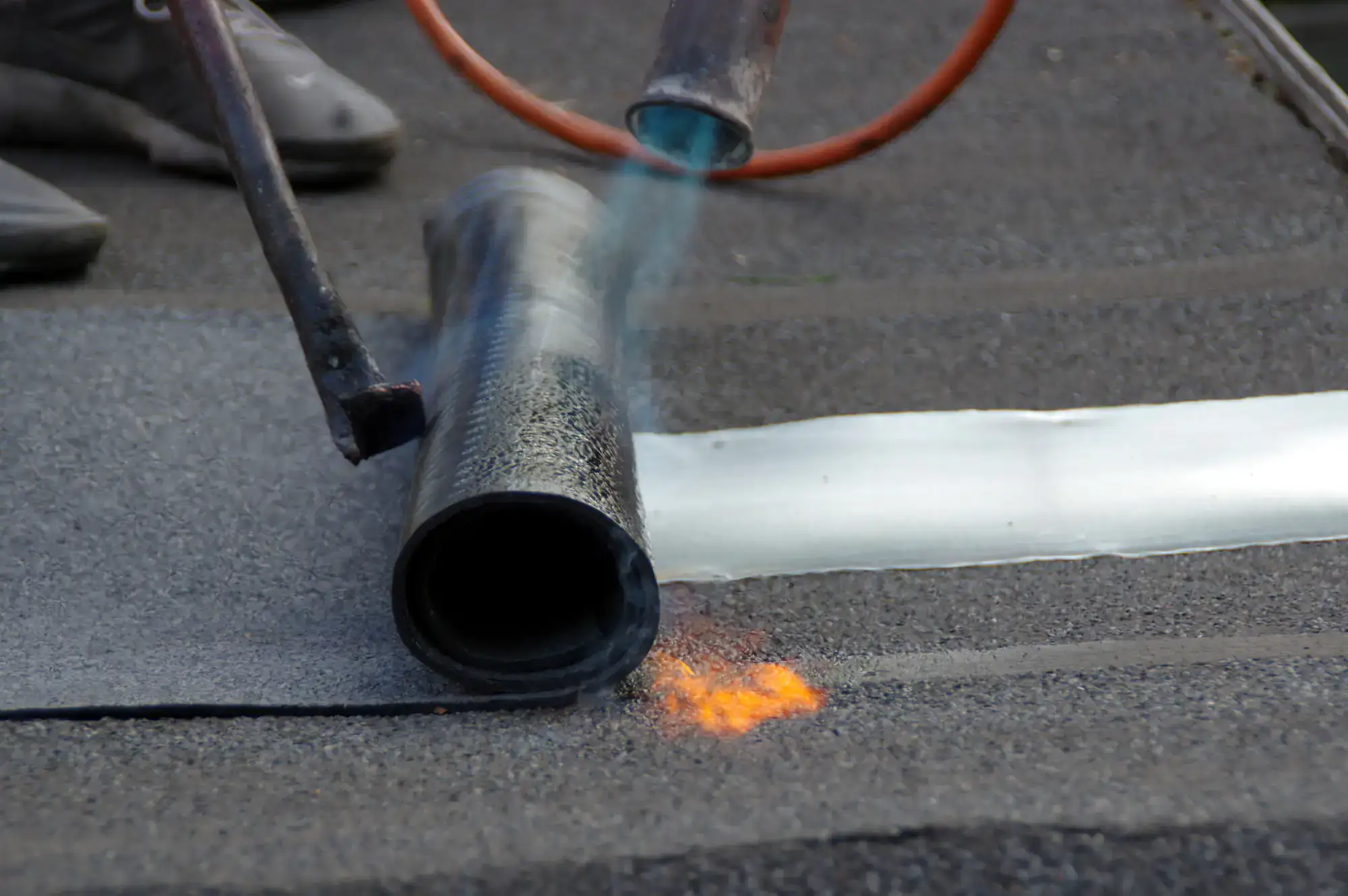
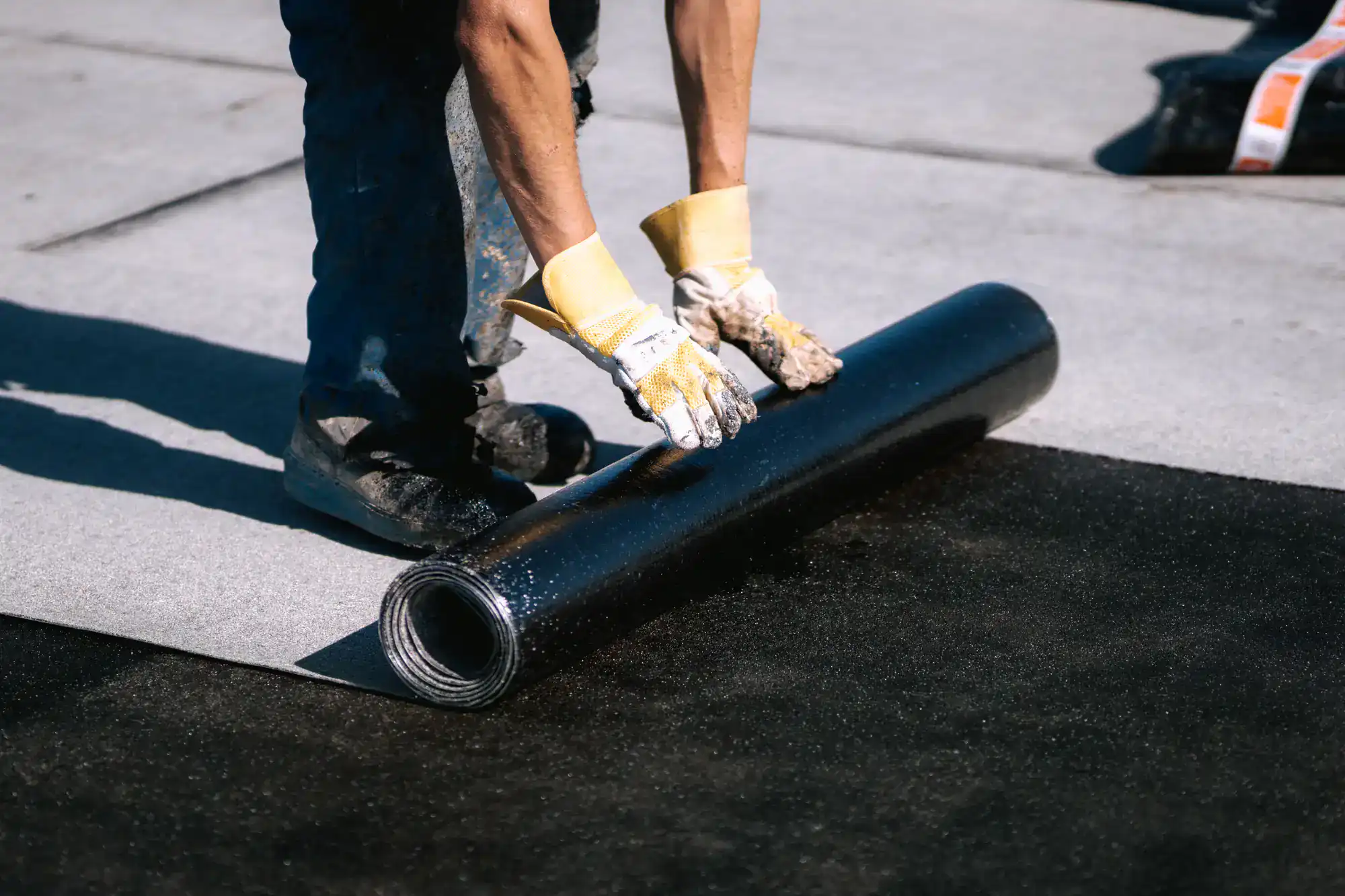
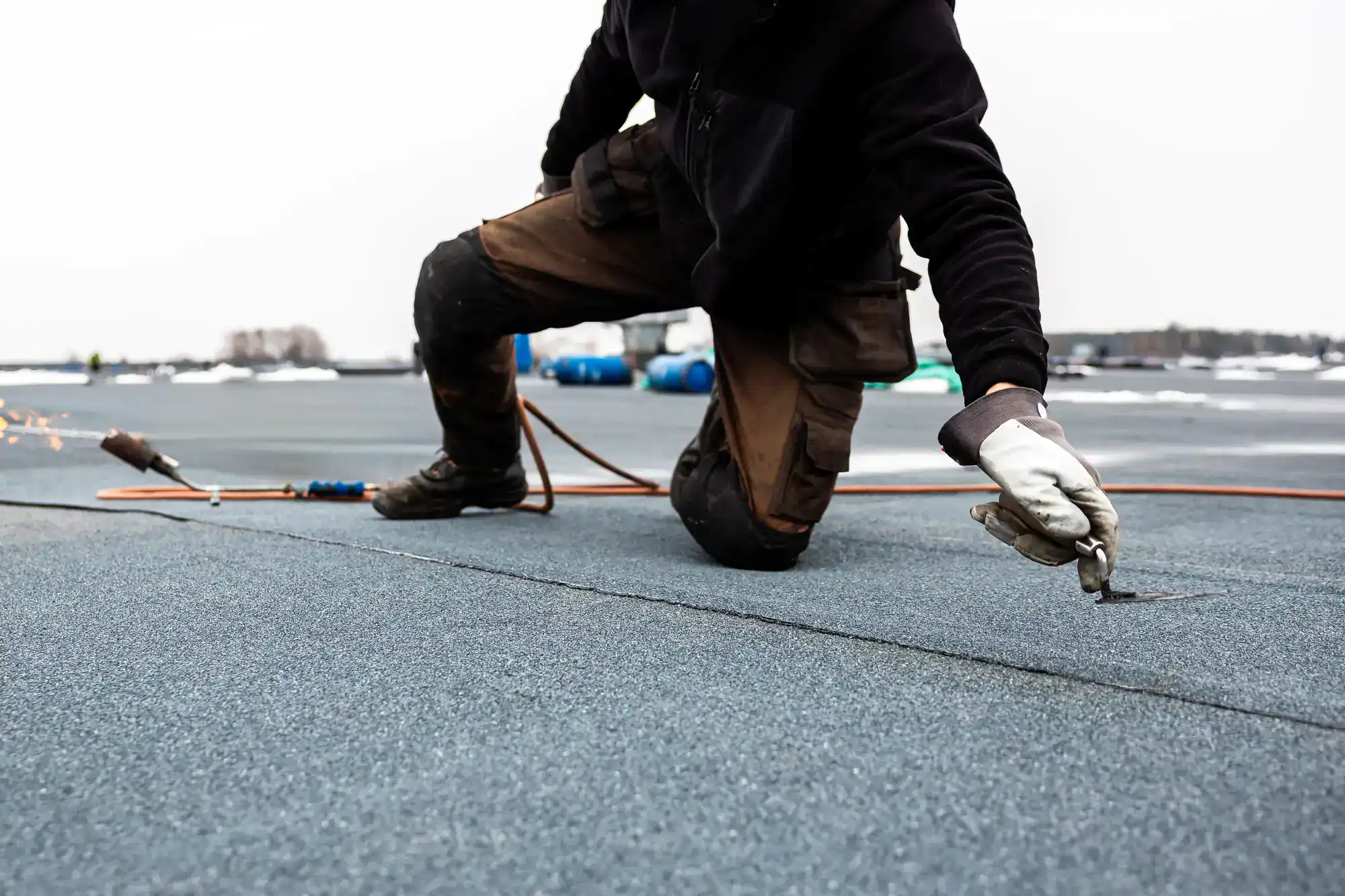
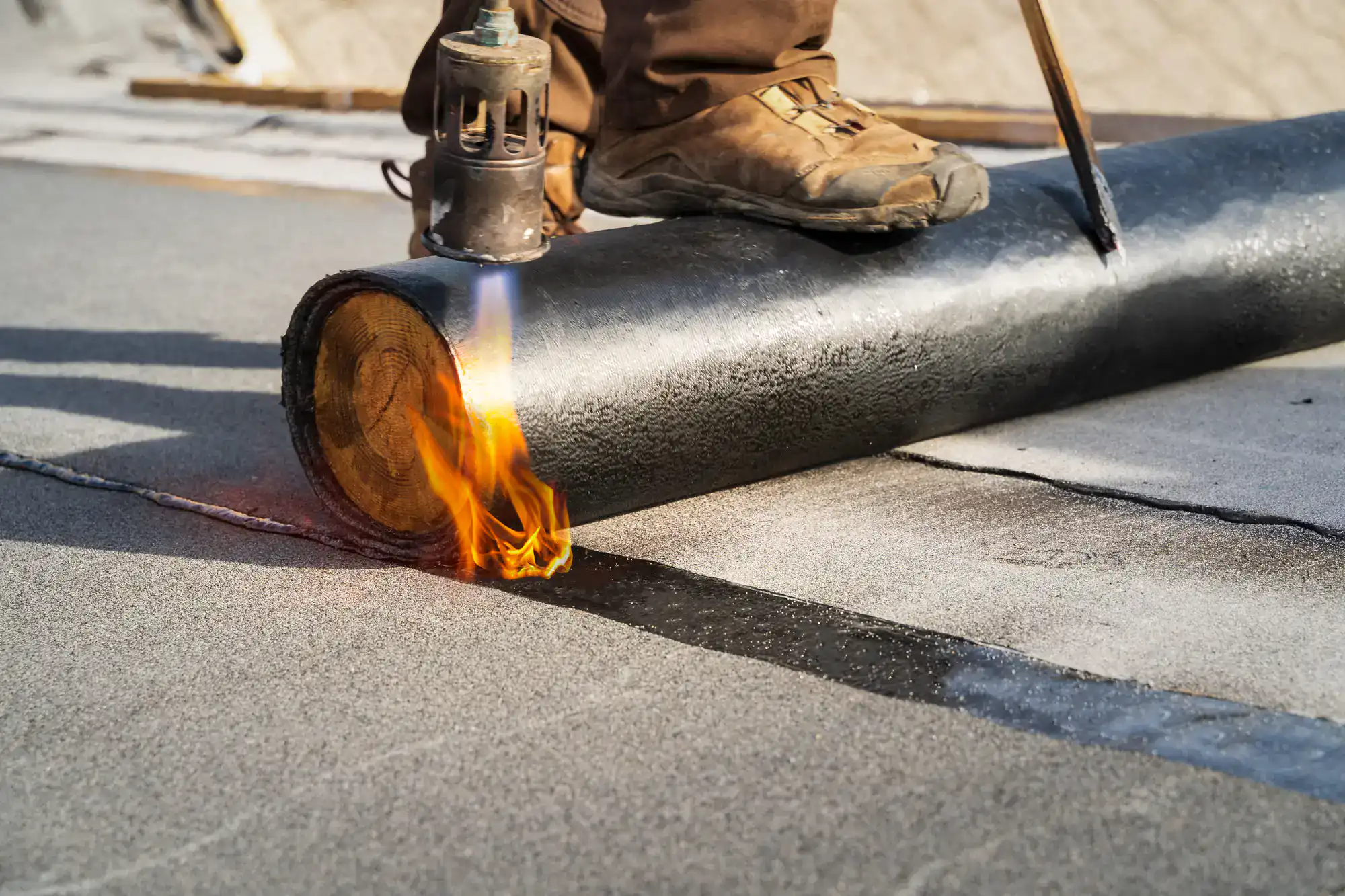
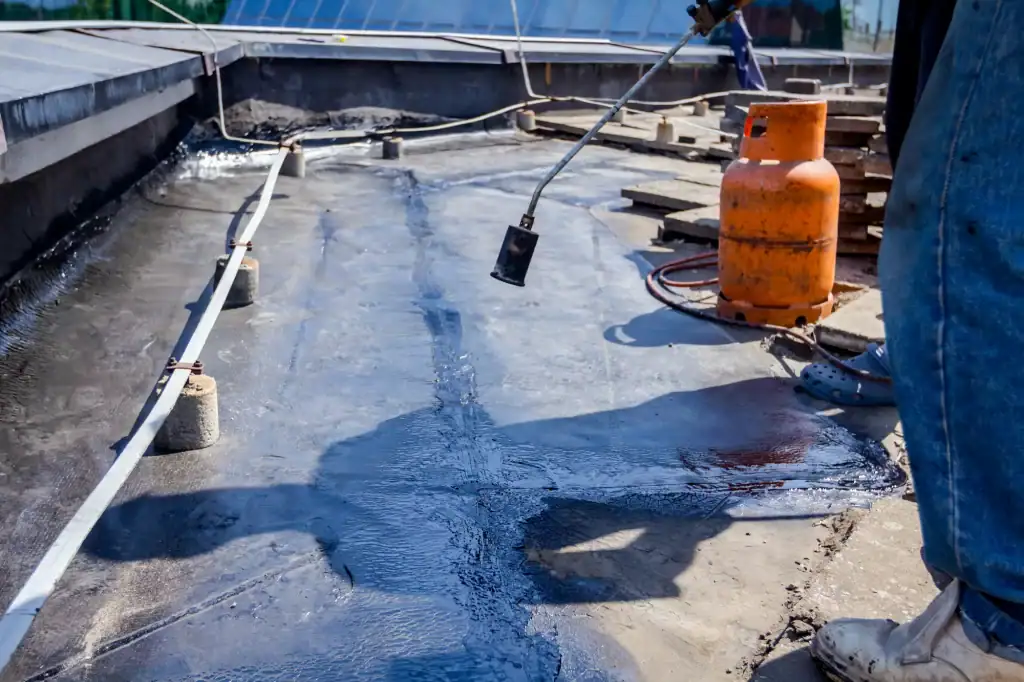
The complexity of the roof design matters too. A simple, flat roof is easier and cheaper to install compared to a multi-level roof with various slopes, angles, dormers, and valleys. Flat roofing systems using TPO, EPDM, or modified bitumen require different installation techniques and materials. The condition of the existing roof can influence costs—if there are underlying issues like rotted wood, damaged insulation, or pest infestations, you’ll need additional repair before the new roof installation.
Repair is the right choice when damage is localized and your roof has substantial remaining lifespan. If your roof is less than halfway through its expected life and the damage affects only small, isolated areas, targeted repairs from a qualified roofing company can restore full protection at a fraction of replacement cost.
Let’s say your roof is only ten years old but experiencing a leak. If the leak is caused by nail pops, a cracked pipe boot, a maintenance issue, or something like a small hole, a roof repair is the way to go—assuming all or most of your roof is in good condition. Damaged, torn, or missing asphalt shingles can usually be replaced with new ones fairly easily by an experienced roof contractor.
If the damage is limited to a small area or just one section of the roof, repairing can be an economical way to address the problem. For quick fixes, repairs save money and extend the life of your roof without committing to a full replacement. Isolated issues like flashing damage, cracked tiles, or chimney flashing problems that only affect a small area of the roof are often cost-effective to repair.
But here’s where repair doesn’t make sense: if you’re experiencing multiple leaks in different roof sections, this is a sign of a bigger problem, like improper installation or widespread material failure. Once an improperly installed roof starts to fail, the only thing left to do is replace it. You can put as many band-aids on as you want, but the only real solution is replacement.
Replacement becomes the smarter financial and safety choice when your roof is over twenty years old for asphalt shingles or approaching the end of its expected lifespan for other materials. Multiple leaks throughout the roof indicate widespread failure of the roofing system. When you’re dealing with three or more separate leak areas, the underlying issues are typically too extensive for spot repairs to be effective long-term.
Structural issues like sagging sections, damaged decking, or compromised rafters require replacement because these problems affect the entire roofing system’s integrity. A sagging roof deck is a serious warning sign that requires immediate attention—this could result from prolonged exposure to moisture or issues with your home’s foundation. Energy bills that have increased significantly due to poor roof insulation or ventilation also favor replacement with modern, energy-efficient systems.
Even though the current damage may be limited to one or two areas, it may be wiser to replace the whole roof if it’s approaching the end of its lifespan. Otherwise, you could find yourself having to repair regularly until it’s time to replace the roof anyway. If you’re planning to stay in your home for more than five years and facing moderate to extensive damage, replacement eliminates ongoing repair costs and provides decades of worry-free protection.
Your roof is taking a beating right now. Between Long Island’s nor’easters, summer storms, and those brutal temperature swings, you’re starting to see the signs. The good news? You now know what those signs mean and what questions to ask before you spend a dollar.
The biggest mistake homeowners make is waiting. That small leak in January has three months to get worse by the time spring arrives. Water that got in through an ice dam has been sitting in your insulation and decking all winter, causing rot and mold growth. If you notice any signs of a problem—water stains, ice dams, missing shingles, sagging—don’t wait until April to call a roofing contractor.
What matters most is getting an honest assessment from a licensed and insured roofing company that knows Long Island’s specific challenges. Not every roofer understands what coastal storms, salt air, and freeze-thaw cycles do to roofing systems, chimney structures, and flashing. You need someone who’s seen it all and will tell you the truth about whether you need a repair or something bigger—someone available when emergencies strike, not just during business hours.
We’ve spent over two decades protecting Long Island homes from everything the weather throws at them. If your roof is showing signs of damage, your chimney needs attention, or you just want peace of mind before the next storm season, reach out to us. Sometimes the best investment isn’t the repair or the replacement—it’s knowing which one you actually need.
Article details:
Share:
Continue learning: