
Your Long Island home faces salt air, storms, and temperature extremes daily. The right siding protects your investment while cutting energy costs and boosting curb appeal.
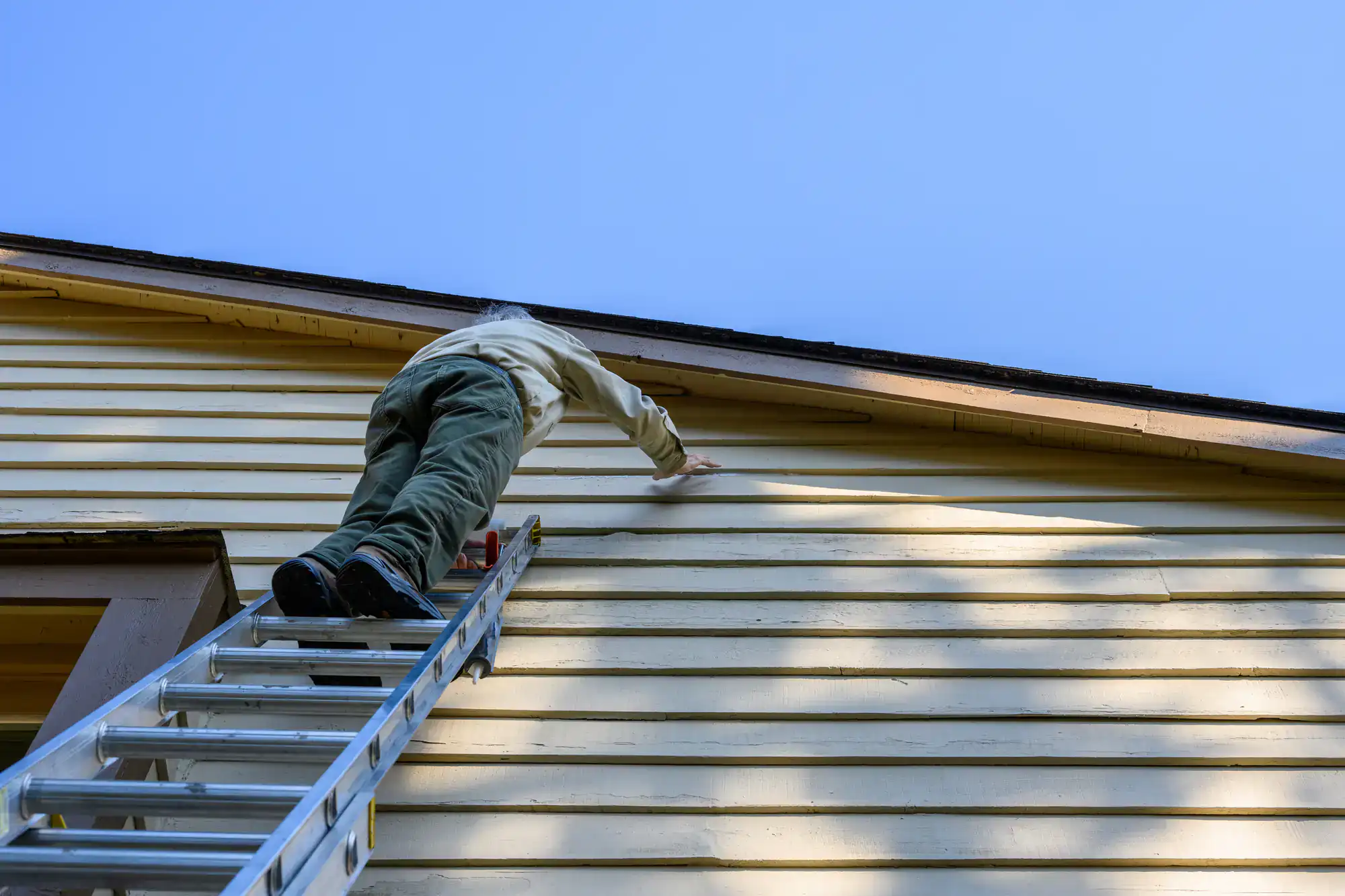
Siding isn’t just about aesthetics. It’s the first line of defense between your home’s structure and everything Long Island weather throws at it. When it’s doing its job, you don’t think about it. When it’s not, you’re dealing with drafts, moisture problems, and repair bills that add up fast.
Long Island sits right in the path of coastal storms, salty ocean air, and temperature swings that go from freezing to humid in the span of a few months. That kind of environment accelerates wear on exterior materials. Wood warps and rots. Paint fades and peels. Older vinyl cracks under pressure. If your siding was installed more than 20 years ago, it’s likely not performing the way it should.
Quality siding installation creates a sealed envelope around your home. It blocks moisture from getting into your walls, reduces air leakage that drives up heating and cooling costs, and adds an extra layer of insulation that keeps indoor temperatures stable. It also ties in with your roofing, gutters, and chimney systems to form a complete barrier that protects your investment from the ground up.
Salt air doesn’t just affect boats and cars. It’s corrosive to nearly every exterior building material, and it doesn’t take decades to see the damage. Microscopic salt particles settle on your siding, absorb moisture from the air, and trigger chemical reactions that lead to fading, corrosion, and surface degradation. This is especially true for metal components, painted wood, and lower-grade vinyl that wasn’t designed for coastal exposure.
Freeze-thaw cycles make things worse. Water seeps into tiny cracks or gaps in your siding during wet weather. When temperatures drop, that water freezes and expands, widening the cracks. When it thaws, more water gets in. Repeat that cycle a few dozen times each winter, and you’ve got panels that are warped, loose, or completely compromised. It’s not dramatic—it’s gradual. But by the time you notice, the damage has usually spread beyond the surface.
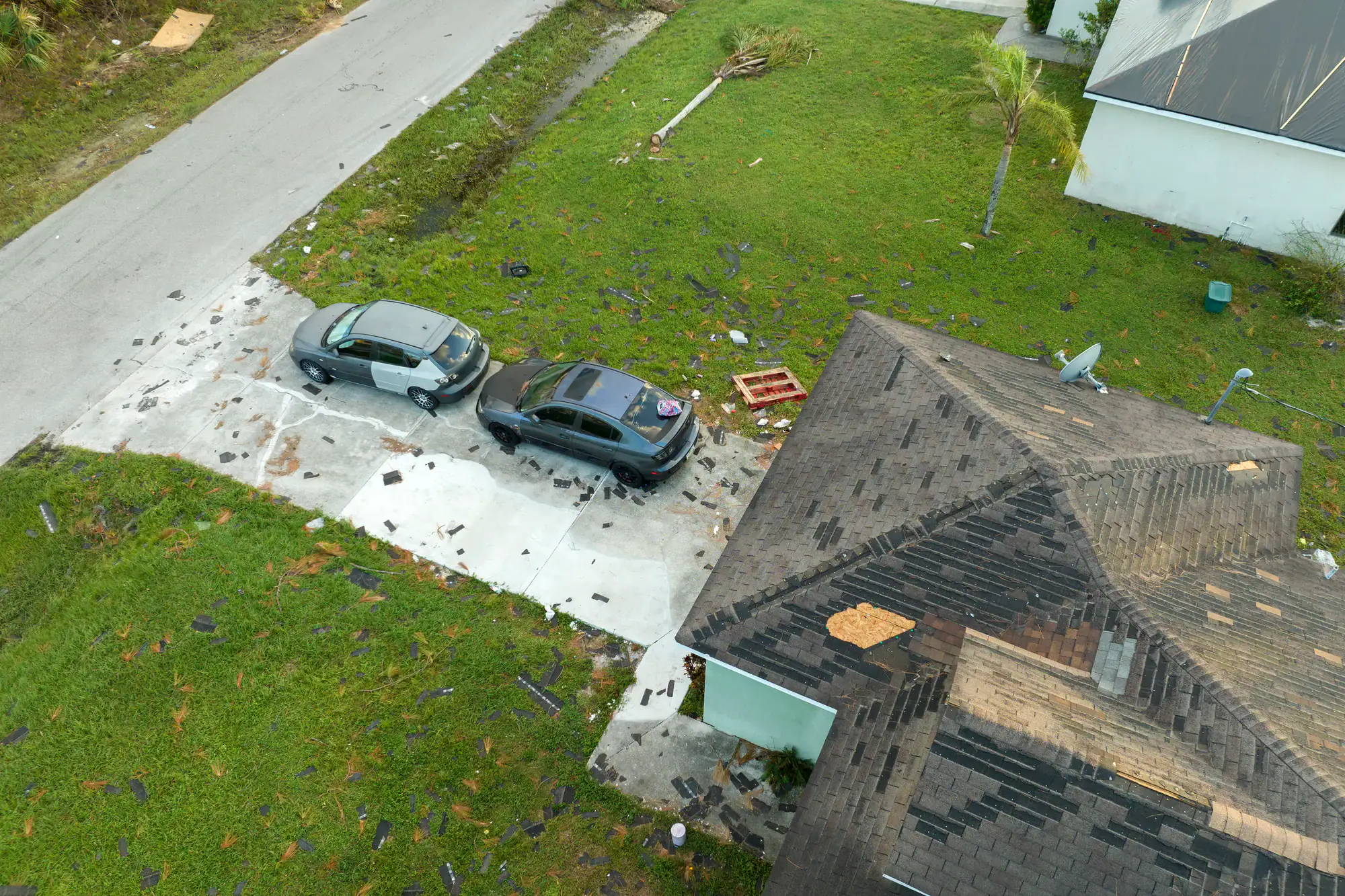
Storms bring their own set of problems. High winds can rip panels off entirely, especially if they weren’t installed correctly in the first place. Hail leaves dents and cracks. Driving rain finds every weak point and pushes moisture where it doesn’t belong. Homes in Nassau County and Suffolk County see this kind of damage regularly, and it’s why choosing the right material and the right installer matters more here than in most other parts of the country.
If you’re seeing discoloration, warping, or pieces of siding that feel loose to the touch, those are signs that your home’s protective barrier has been compromised. Ignoring them leads to bigger issues—water intrusion, mold growth, insulation damage, and eventually structural problems that cost significantly more to fix than replacing the siding would have in the first place.
A proper siding installation isn’t just about nailing panels to your house. It’s a system. It starts with removing the old siding carefully to assess what’s underneath. If there’s water damage, rot, or compromised sheathing, that gets addressed before any new material goes up. Skipping that step is how you end up with beautiful siding covering a deteriorating structure.
Next comes the moisture barrier. This is a weather-resistant layer that goes between your home’s sheathing and the siding itself. It prevents water from penetrating your walls while still allowing moisture vapor to escape from the inside. Without it, you’re trapping humidity inside your walls, which leads to mold and rot over time. Quality contractors don’t skip this step, even though it’s hidden and most homeowners would never know the difference.
Insulation is another critical component, especially if you’re upgrading to insulated vinyl or adding foam board backing. This layer dramatically improves your home’s thermal resistance, which translates directly to lower energy bills. Studies show that insulated siding can reduce heating and cooling costs by 10 to 20 percent annually. That’s not marketing hype—it’s the result of creating a tighter building envelope that doesn’t leak conditioned air.
Finally, the siding itself gets installed with attention to expansion gaps, proper fastening techniques, and alignment. Vinyl expands and contracts with temperature changes, so it needs room to move. Cedar shake requires specific nailing patterns to prevent splitting. Fiber cement has to be cut and sealed correctly to avoid moisture infiltration at the edges. Each material has its own installation requirements, and experienced contractors know how to handle them all.
The end result is a finished exterior that looks clean, performs efficiently, and holds up to Long Island’s climate for decades. Cutting corners on any part of this process undermines the entire investment, which is why working with a licensed, experienced contractor makes all the difference.
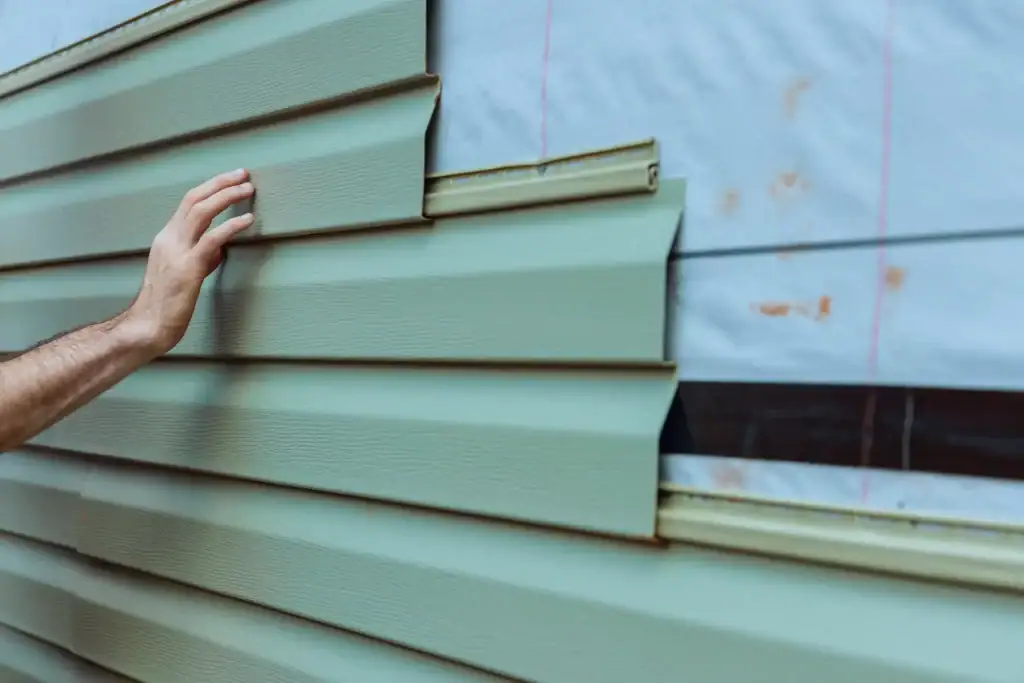
Not all siding is created equal, and what works in one climate might fail in another. Long Island homeowners have several solid options, each with its own strengths depending on your priorities—whether that’s low maintenance, energy efficiency, aesthetic appeal, or longevity.
Vinyl siding is the most popular choice for good reason. It’s affordable, durable, and requires almost no maintenance beyond an occasional rinse with a hose. Modern vinyl resists fading, doesn’t rot or attract pests, and holds up well against salt air when it’s high-grade material. Insulated vinyl takes it a step further by adding a foam backing that improves energy efficiency and impact resistance. It’s a practical choice for homeowners who want performance without the hassle.
Cedar shake siding offers a classic Long Island look that you see throughout Nassau and Suffolk Counties, especially in coastal areas. It has natural insulation properties, resists insects better than other wood options, and ages beautifully when maintained properly. The tradeoff is upkeep—cedar needs regular sealing or staining to protect it from moisture and UV damage. But for homeowners who value that authentic, rustic aesthetic, it’s worth the effort.
Vinyl siding is tough, but it’s not indestructible. Storm damage, impacts from debris, or improper installation can leave you with cracked, warped, or missing panels. The good news is that vinyl is one of the easiest materials to repair. Individual panels can be removed and replaced without disturbing the rest of the wall, which keeps costs down and gets your home protected again quickly.
The question is whether repair makes sense or if you’re better off replacing the entire exterior. If the damage is isolated—a few panels on one side of the house, for example—repair is usually the smart move. But if you’re seeing widespread fading, multiple cracks, or panels that have become brittle with age, that’s a sign the material has reached the end of its useful life. Vinyl typically lasts 20 to 40 years depending on quality and exposure, so if your siding is in that range and showing wear, replacement gives you better long-term value.
Another factor is energy efficiency. Older vinyl siding doesn’t have the insulation or air-sealing properties of modern products. If your energy bills have been creeping up and your home feels drafty, upgrading to insulated vinyl can pay for itself over time through reduced heating and cooling costs. It’s not just about fixing what’s broken—it’s about improving overall performance.
When you’re evaluating vinyl siding repair in NY, look at the bigger picture. A few hundred dollars to replace damaged panels is reasonable. Spending that same amount every year or two because your siding is failing in multiple spots means it’s time for a full replacement. We can assess the condition of your siding and give you an honest recommendation based on what makes financial sense, not just what generates the biggest invoice.
Cedar shake siding has been a staple of Long Island architecture for generations. It’s a natural, renewable material that offers excellent insulation, sound absorption, and weather resistance when properly maintained. The rustic texture and warm tones give homes a distinctive character that vinyl and fiber cement can’t quite replicate, which is why it remains popular in coastal and historic neighborhoods.
Cedar contains natural oils that act as preservatives, making it resistant to rot and insect damage. It handles moisture better than most other wood species, which is critical in Long Island’s humid climate. The material also has a high R-value per inch compared to synthetic options, meaning it provides better thermal resistance naturally. Homes with cedar shake siding tend to stay cooler in summer and warmer in winter without relying as heavily on HVAC systems.
The maintenance requirements are real, though. Cedar needs to be sealed or stained every few years to protect it from UV degradation and moisture infiltration. If left untreated, it will weather to a silver-gray patina, which some homeowners love and others don’t. Regular cleaning is also important to prevent algae and mold growth, especially on north-facing walls that don’t get direct sunlight. For homeowners willing to invest the time or budget for professional maintenance, cedar delivers a lifespan of 30 years or more.
Installation quality matters even more with cedar than with vinyl. Each shake needs to be nailed correctly to prevent splitting. Proper spacing allows for expansion and contraction. Flashing and moisture barriers have to be installed meticulously to prevent water from getting behind the shakes. This isn’t a DIY project, and it’s not something you want to trust to a general handyman. Cedar shake installation requires specialized knowledge and experience, which is why working with a contractor who has a proven track record with this material is non-negotiable.
If you’re drawn to the look of cedar but concerned about the upkeep, there are composite alternatives that mimic the appearance of wood shake while offering better durability and lower maintenance. These products combine wood fibers with resin to create a material that resists moisture, rot, and pests without the need for regular staining. They’re more expensive upfront than vinyl but less demanding than real cedar, making them a middle-ground option worth considering.
Siding installation is one of those projects where the contractor you choose matters as much as the material you pick. Poor installation undermines even the best products, leading to premature failure, energy loss, and costly repairs down the road. On Long Island, where weather conditions are demanding and building codes are specific, experience and local knowledge aren’t optional—they’re essential.
Look for contractors who are licensed and insured in Nassau and Suffolk Counties. That’s your baseline protection. From there, ask about their experience with the specific material you’re considering. A contractor who’s great with vinyl might not have the same expertise with cedar shake or fiber cement. Check references, look at completed projects, and make sure they’re willing to walk you through the entire process, from material selection to warranty coverage.
We’ve been serving Long Island homeowners for over 22 years, handling everything from vinyl siding installation to cedar shake repairs and full exterior upgrades. We understand how coastal weather affects homes in this area, and we approach every project with the same attention to detail we’d expect for our own families. If your siding needs attention—whether it’s storm damage, energy efficiency concerns, or just time for an upgrade—getting a professional assessment is the first step toward a solution that actually lasts.
Article details:
Share:
Continue learning: