
Learn the critical signs that determine whether your Long Island roof needs replacement or just repairs, plus expert timing advice.
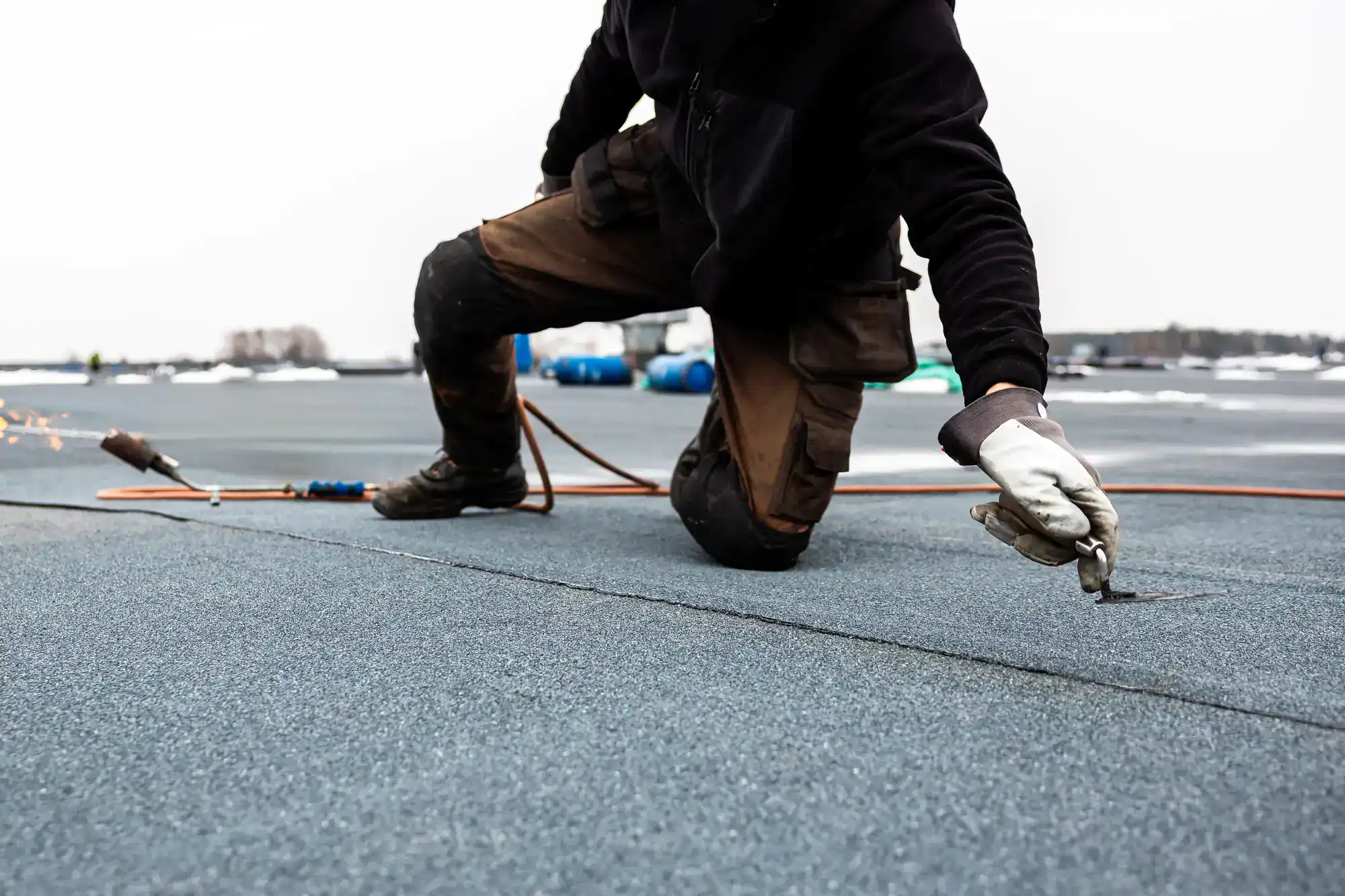
The age of your roof is the single most important factor in the repair versus replacement decision. Most asphalt shingle roofs—the most common type in Long Island, NY—have a lifespan of 20 to 25 years under normal conditions.
If your roof was installed less than 15 years ago and you’re dealing with isolated damage, repair is almost always your best bet. The materials still have plenty of life left, and addressing specific problems now can extend your roof’s overall lifespan significantly.
However, once your roof crosses the 20-year mark, the math starts changing. Even minor issues become red flags for bigger problems ahead, and replacement often becomes the more economical choice than ongoing repair costs.
Long Island’s coastal location creates a perfect storm of roof-damaging conditions that can shorten even quality roofing materials’ expected lifespan. Your roof doesn’t just deal with typical wear and tear—it battles nor’easters with 60+ mph winds, heavy snow loads that can exceed design limits, and salt air that corrodes metal roof components faster than inland areas experience.
The 2012 Hurricane Sandy demonstrated just how vulnerable Long Island roofs are to extreme weather. Hundreds of thousands of homes suffered roof damage, and many homeowners discovered that what seemed like minor issues had actually compromised their roof’s structural integrity. The storm surge and high winds didn’t just damage shingles—they exposed underlying problems that had been developing for years.
Summer heat in Long Island, NY can reach extreme levels, causing asphalt shingles to expand and contract repeatedly. This thermal cycling breaks down the adhesive seals between shingles and accelerates granule loss. Meanwhile, winter ice dams can form when heated attic air melts snow that refreezes at roof edges, creating water backup that seeps under shingles.
These conditions mean that a 15-year-old roof in Long Island might show wear patterns similar to a 20-year-old roof in a more temperate climate. When evaluating your roof’s condition, factor in not just its chronological age, but how many severe weather events it’s survived. Multiple nor’easters, hurricane-force winds, or heavy snow seasons can add years of equivalent aging to your roofing system.
Different roofing materials show their age in distinct ways, and recognizing these patterns helps you make the repair versus replacement call with confidence. Asphalt shingles, which dominate Long Island roofing, begin showing replacement-worthy signs when you see widespread granule loss creating bald spots across multiple areas of your roof.
When granules wash away, they leave the underlying asphalt exposed to UV rays and weather. You’ll notice these granules accumulating in your gutters after rainstorms—a few granules are normal, but if you’re scooping out cupfuls, your shingles are past their prime. Curling or cupping shingles are another clear sign that the material has lost its flexibility and weather resistance.
Metal roofing, while longer-lasting, shows its age through rust spots, loose or missing fasteners, and separation at seams. In Long Island’s salt air environment, even galvanized steel can develop corrosion issues faster than expected. When you see rust bleeding through painted surfaces or multiple fastener failures, you’re looking at systemic material breakdown.
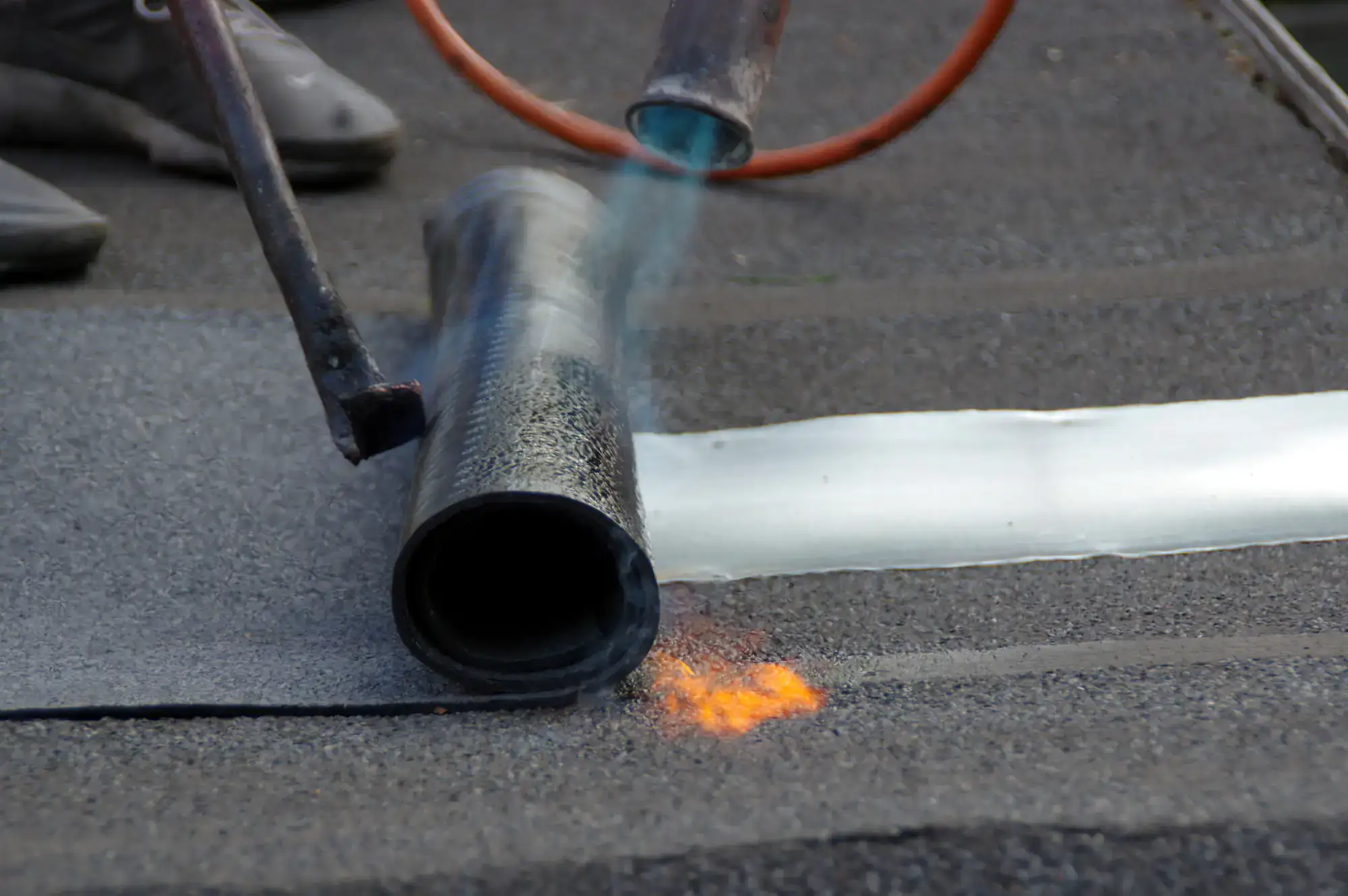
Flat roofing systems common on Long Island commercial buildings and some residential applications show aging through cracking, ponding water, and membrane separation. If you’re seeing multiple areas where water pools for more than 48 hours after rainfall, or if the roofing membrane is pulling away from flashing or edges in several locations, repair patches won’t solve the underlying problem.
The key distinction is between isolated material failure and widespread degradation. A few damaged shingles in one area suggest repairable damage, possibly from a fallen branch or isolated wind damage. But when you’re seeing material breakdown across large sections of your roof, you’re dealing with age-related failure that will continue spreading regardless of how many individual spots you repair.
The pattern and extent of damage often tell a clearer story than the severity of individual problems. When roof damage is localized—affecting one area or section—repair usually makes perfect sense and can restore full functionality.
But widespread damage across multiple areas of your roof indicates systemic failure that goes beyond what repairs can address. You’re not just dealing with isolated problems; you’re seeing the roof system breaking down as a whole.
This is particularly true when damage affects the roof’s structural components, not just the surface materials. Once water penetration has compromised decking, insulation, or framing members, surface repairs won’t restore the roof’s integrity.
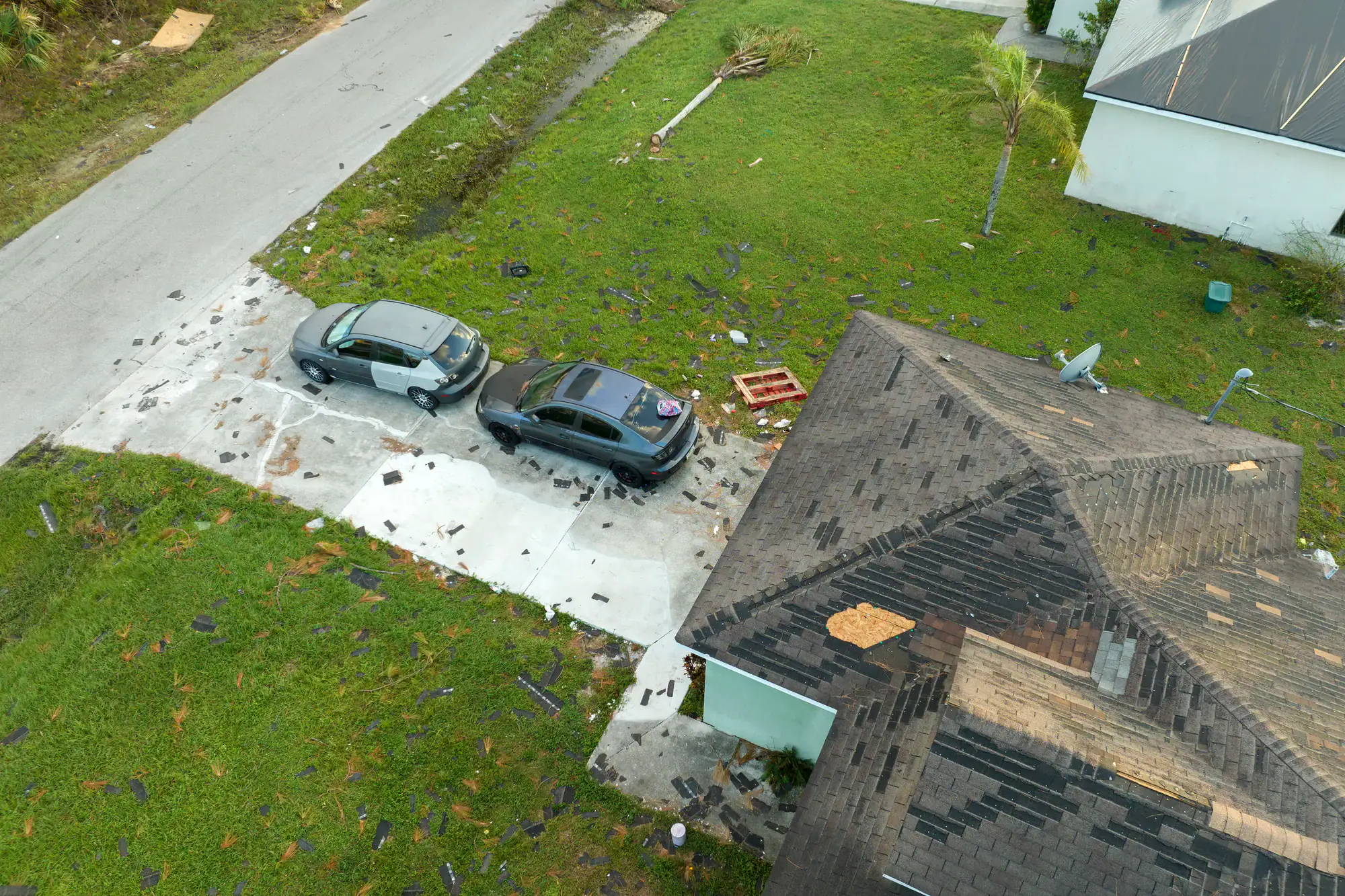
Long Island’s exposure to severe weather means storm damage assessment is a critical skill for homeowners. After major storms like nor’easters or the occasional hurricane, the damage pattern tells you whether you’re looking at repairable issues or total roof failure.
Isolated storm damage—like a section of shingles blown off by wind or a tree branch that damaged one area—typically falls into the repair category. Even if the damage looks dramatic, if it’s confined to a specific section and the rest of the roof shows good condition, professional repairs can restore full protection without the expense of total replacement.
However, when storm damage affects multiple areas of your roof, you’re often dealing with a roof that was already vulnerable due to age or previous damage. High winds don’t randomly select which shingles to remove—they find the weak spots where adhesive seals have already failed or materials have lost their flexibility.
Hail damage presents its own assessment challenges. Small, scattered hail impacts might only require targeted repairs, but widespread hail damage that has compromised granule coverage across large areas often indicates the need for full replacement. Insurance adjusters look for specific patterns: if hail has exposed the underlying mat on more than 30% of your roof surface, replacement is typically the recommended solution.
Water damage from storm-driven rain tells another important story. If water penetration is limited to the immediate area where shingles were damaged, repairs can address both the surface damage and any water infiltration. But if you discover water damage in multiple interior locations, or if water has been penetrating for an extended period, the roof system may have sustained structural damage that requires complete replacement to properly address.
Some roof problems go beyond surface damage and indicate structural issues that make repair impossible or unsafe. Sagging is the most obvious and serious structural warning sign—when your roof line shows visible dips or low spots, you’re looking at compromised structural support that requires immediate attention and almost always complete replacement.
Sagging occurs when roof decking, rafters, or trusses have been weakened by water damage, excessive load, or structural failure. This isn’t a cosmetic issue that can be patched—it’s a safety hazard that indicates your roof’s load-bearing capacity has been compromised. Attempting repairs on a structurally compromised roof is both dangerous and ineffective.
Interior signs of structural damage include ceiling stains in multiple rooms, sagging drywall, or visible daylight coming through the roof structure. These symptoms indicate that water has been penetrating the roof system long enough to damage not just the roofing materials, but the underlying structural components.
Another structural red flag is when you can feel soft or spongy spots while walking on your roof. This indicates that the roof decking has been compromised by moisture and is beginning to fail. While isolated soft spots might be repairable by replacing sections of decking, widespread soft areas typically mean the entire roof system needs replacement.
Foundation-level problems can also indicate roof structural issues. If you notice new cracks in your home’s foundation walls, doors or windows that suddenly don’t close properly, or interior walls showing stress cracks, your roof’s structural problems may be affecting your entire home’s stability. In these cases, roof replacement is part of a larger structural restoration that can’t be addressed through surface repairs.
The decision between roof repair and replacement ultimately comes down to three key factors: your roof’s age and condition, the pattern and extent of damage, and your long-term plans for your home. A roof under 15 years old with localized damage is almost always a repair candidate, while widespread problems on a roof over 20 years old typically signal replacement time.
Remember that Long Island, NY’s challenging weather conditions—from nor’easters to salt air—can accelerate normal aging patterns. What might be minor maintenance issues in other climates can become major problems here if not addressed promptly.
When you’re facing this decision, getting a professional roof inspection from our experienced team at Expressway Roofing and Chimney Inc can provide the expertise you need to make the right choice for your home and budget.
Article details:
Share:
Continue learning: