
Not sure which roofing material can handle Long Island's weather? Compare metal, shingles, and cedar shake to find what lasts, what saves money, and what actually works here.
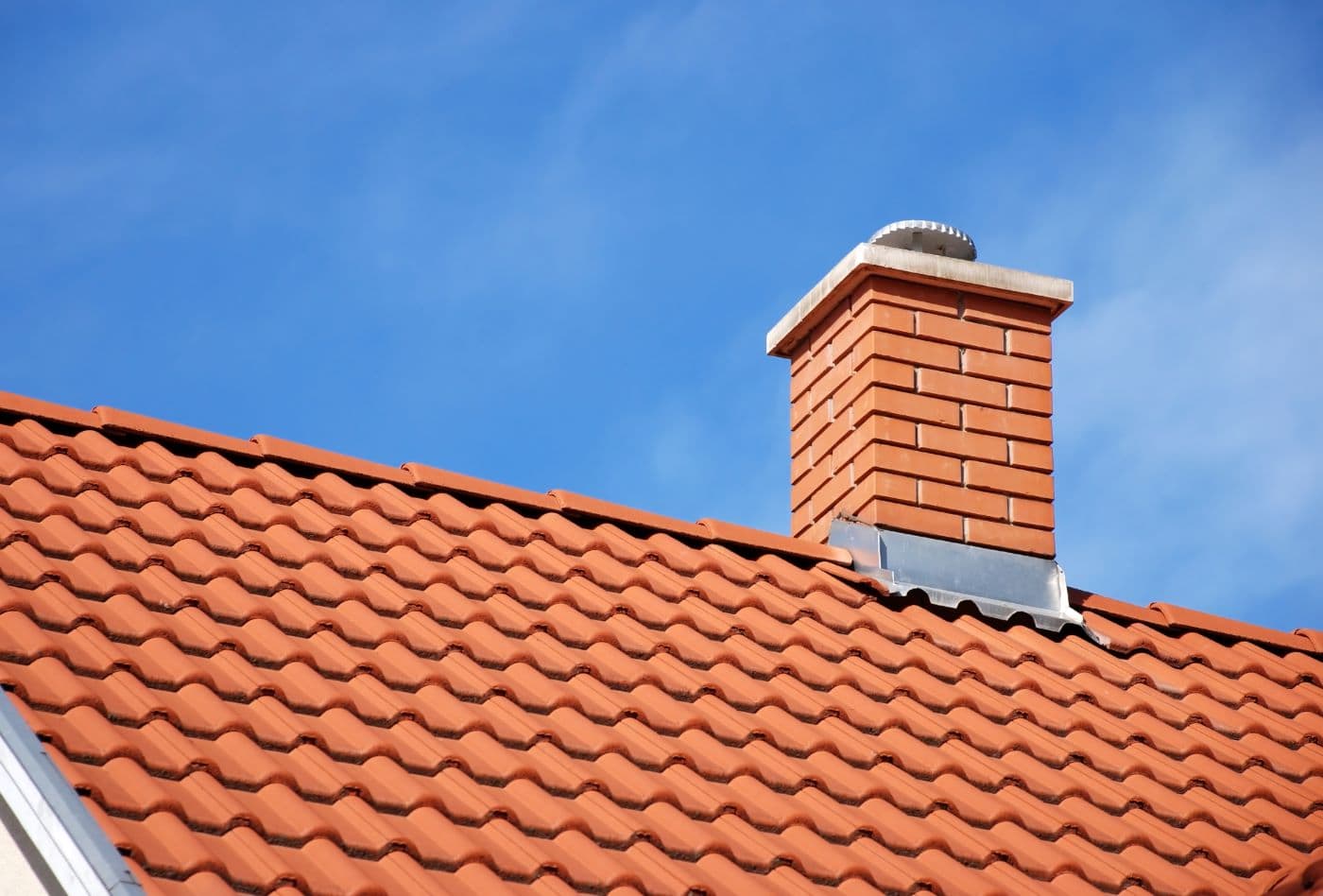
Asphalt shingles cover more roofs in Long Island than any other material, and there’s a reason for that. They’re affordable, they install quickly, and they work well enough for most homes. You’re looking at roughly $4 to $6 per square foot installed, which makes them the most budget-friendly option by a significant margin.
Modern architectural shingles offer decent protection against wind and rain. The better ones come with algae resistance (important in our humid climate) and wind ratings that handle most storms. They’re available in dozens of colors, so matching your home’s style isn’t a problem.
But here’s the reality: in Long Island’s coastal environment, asphalt shingles typically last 15 to 25 years. That’s shorter than the 20 to 30 years you might see advertised, because salt air, freeze-thaw cycles, and UV exposure accelerate their breakdown. You’ll likely need repairs along the way—especially after major storms.
Long Island weather doesn’t go easy on asphalt shingles. The coastal storms we get—those nor’easters with sustained winds and driving rain—can lift shingles that weren’t installed perfectly. Once a few blow off, water gets under the rest, and suddenly you’re dealing with leaks and water damage inside your home. Wind damage is one of the most common insurance claims for asphalt roofs in Nassau and Suffolk Counties.
Winter creates its own problems. When snow piles up and melts, then refreezes, ice dams form along the roof edge. Water backs up under the shingles, seeping into the underlayment and eventually through your ceiling. Asphalt shingles don’t prevent ice dams, though proper attic ventilation and insulation help. If you’ve ever seen water stains on your ceiling after a heavy snow, ice dams are often the culprit.
Summer humidity is where algae and moss show up. You’ve seen those dark streaks on roofs around the neighborhood—that’s algae feeding on the limestone in shingles. It’s not just cosmetic. Over time, it holds moisture against the shingles and speeds up deterioration. Algae-resistant shingles help, but they’re not foolproof, especially if your roof stays shaded by trees.
The salt air that comes with living near the coast doesn’t directly damage asphalt, but it does accelerate the breakdown of any exposed metal components—nails, flashing, and drip edges. When those corrode, you get leaks around chimneys, vents, and roof valleys. Coastal homes in areas like the Hamptons, Fire Island, or anywhere near the Sound see this corrosion happen faster than inland properties.
Maintenance isn’t terrible, but it’s ongoing. You’ll need to replace damaged shingles after storms, keep an eye on flashing, and possibly treat for algae growth. Most homeowners end up calling for repairs every few years, and those costs add up over the life of the roof. A single storm can mean $500 to $1,500 in repair work if multiple shingles blow off.
If your budget is tight and you’re planning to sell within 10 to 15 years, asphalt shingles make sense. They’ll get the job done without breaking the bank upfront. But if you’re thinking long-term, the replacement timeline and maintenance costs start to look less appealing compared to more durable options.
The upfront price of asphalt shingles looks attractive—usually $8,000 to $15,000 for an average Long Island home, depending on size and complexity. That’s thousands less than metal or cedar, which is why so many homeowners choose them. But the real cost picture gets more complicated when you factor in the lifespan and maintenance.
Let’s say your asphalt roof lasts 20 years in Long Island’s climate. Over those two decades, you’ll probably spend money on repairs—replacing storm-damaged shingles, fixing flashing around chimneys, addressing leaks. Even if you’re conservative and only spend $500 to $1,000 every few years, that adds up to several thousand dollars in maintenance costs.
Then there’s the replacement timeline. If you’re 40 years old and you install asphalt shingles today, you’ll likely need to replace that roof at least once more during your time in the home. That means paying for another full roof replacement—another $8,000 to $15,000—before you retire. Compare that to metal or cedar, which could last 40 to 50 years or more, and suddenly the “cheaper” option isn’t saving you money over the long haul.
Energy efficiency is another hidden cost. Asphalt shingles absorb heat rather than reflecting it, which means your attic gets hotter in summer. That heat transfers into your living space, and your air conditioning works harder to compensate. The difference isn’t huge, but over 20 years of Long Island summers, it adds up on your utility bills.
Insurance companies don’t typically offer discounts for asphalt shingles the way they might for fire-resistant materials like metal. You’re also not getting the same wind resistance ratings, which matters when you’re filing a claim after a major storm. Some insurance adjusters will scrutinize asphalt roofs more closely, especially if they’re over 15 years old.
Property value is another consideration. When you go to sell, a newer asphalt roof might add some value, but it’s not a major selling point. Buyers expect asphalt—it’s the baseline. Premium materials like metal or cedar actually differentiate your home and can justify a higher asking price, especially in competitive Long Island markets.
The bottom line: asphalt shingles cost less upfront, but they cost more over time through replacements, repairs, and energy inefficiency. If you’re planning to stay in your home for 20-plus years, or if you want to avoid the hassle of another roof replacement down the road, it’s worth looking at materials that last longer and require less maintenance. That’s where metal roofing enters the conversation.
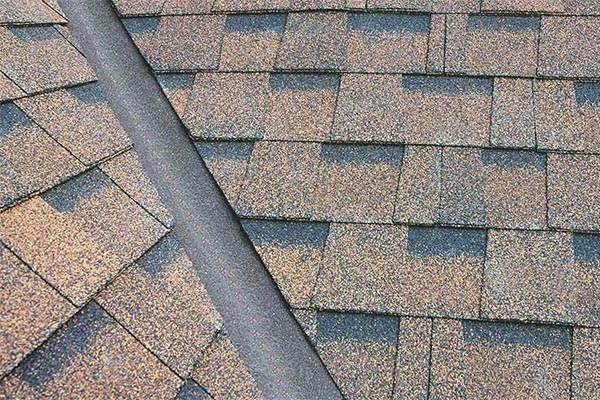
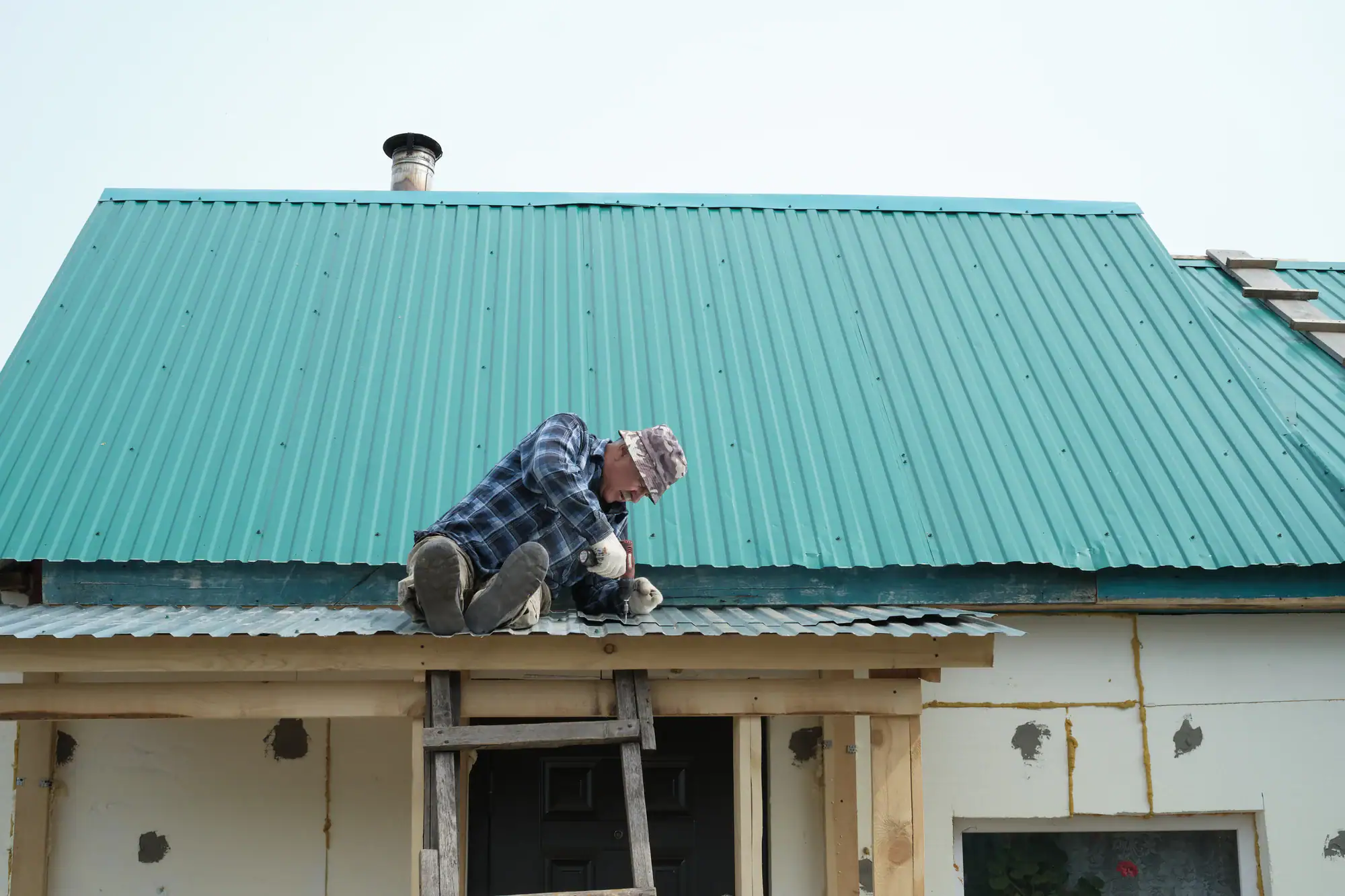
Metal roofs are gaining ground in Long Island, and once you understand what they offer, it makes sense. You’re looking at a material that can last 40 to 70 years—potentially the last roof you’ll ever install. The upfront cost is higher, typically $10 to $15 per square foot installed, but the longevity and performance in coastal climates make it a serious contender.
Metal roofing handles Long Island weather better than almost any other material. High winds that would tear off asphalt shingles barely affect properly installed metal panels. Heavy snow slides off instead of building up and stressing your structure. Salt air, which corrodes so many materials, doesn’t faze aluminum or galvanized steel with protective coatings.
The energy efficiency is real. Metal roofs reflect solar heat instead of absorbing it, which can reduce your cooling costs by 10 to 25 percent during Long Island’s humid summers. That’s money back in your pocket every year, and it adds up over the decades.
Long Island’s coastal environment is where metal roofing really proves itself. The same salt air that eats away at asphalt roof components and accelerates cedar decay doesn’t harm quality metal roofing systems. Aluminum naturally resists corrosion, and steel roofs with modern coatings hold up remarkably well even in direct coastal exposure. Homes in waterfront communities from Montauk to Glen Cove see this benefit firsthand.
Wind resistance is where metal outperforms everything else. Standing seam metal roofs, where panels interlock and fasten through hidden clips, can withstand winds over 140 miles per hour. That’s hurricane-force winds. During a nor’easter or tropical storm, metal panels stay put while shingles across the neighborhood blow into yards and streets. You’re not dealing with emergency repairs or tarp installations after every major storm.
Snow and ice behave differently on metal. The smooth surface and heat-reflective properties mean snow slides off before it can build up into dangerous loads. Ice dams—those winter headaches that plague asphalt roofs—rarely form on metal because the surface doesn’t retain heat in the same way. Water drains cleanly off the roof instead of backing up and seeping under materials.
Heavy rain and driving storms don’t penetrate metal roofing systems when they’re installed correctly. The interlocking panels and sealed seams create a nearly watertight barrier. You don’t have individual shingles that can lift or gaps where water can work its way underneath. Leaks are rare, and when they do happen, they’re usually related to flashing around chimneys or vents—not the roofing material itself.
Fire resistance is another advantage that matters for insurance and safety. Metal roofs are non-combustible and typically carry a Class A fire rating, the highest available. If your neighbor’s house catches fire or if embers from a distant wildfire blow into your area, your metal roof won’t ignite. Some insurance companies offer discounts for this level of fire protection, which helps offset the higher upfront cost.
The noise concern you might have heard about—metal roofs being loud during rain or hail—is mostly outdated. Modern metal roofing systems include solid underlayment and proper insulation that dampens sound effectively. You’ll hear rain, but it’s not the drumming racket people imagine. Most homeowners with metal roofs say the sound is actually pleasant, not disruptive.
Maintenance is minimal compared to other materials. You’re not replacing damaged shingles after storms. You’re not treating for algae or moss growth. You’re not worrying about granule loss or curling edges. An occasional inspection to check flashing and fasteners is about all you need. That’s it. Over 40 to 50 years, the time and money saved on maintenance is substantial.
One consideration: metal roofs can dent from large hail or falling tree limbs, though it takes significant impact. Aluminum dents more easily than steel, so if you’re in an area with large trees overhead, steel might be the better choice. That said, even dented metal continues to function—it’s a cosmetic issue more than a structural one.
The sticker shock of metal roofing is real. You’re looking at $20,000 to $35,000 or more for an average Long Island home, depending on size, pitch, and complexity. That’s roughly double what asphalt shingles cost, and it’s a significant upfront investment. But when you break down the numbers over time, the math starts to favor metal.
Let’s compare a 25-year timeline. With asphalt shingles, you’ll pay $12,000 upfront, spend maybe $3,000 on repairs over the years, and then need a full replacement around year 20—another $12,000. Total cost: around $27,000, and you’re due for another replacement soon. With metal, you pay $25,000 once, spend maybe $500 on minor maintenance over 25 years, and your roof is still going strong with decades of life left. Total cost: $25,500, and you won’t need to replace it for another 20 to 40 years.
The energy savings add another layer. If metal roofing reduces your cooling costs by even $200 per year (a conservative estimate for Long Island summers), that’s $5,000 saved over 25 years. Factor that in, and the effective cost of metal drops to around $20,500 versus $27,000 for asphalt. Suddenly metal isn’t more expensive—it’s actually cheaper over the life of your home.
Property value is where metal roofing really differentiates itself. When you go to sell, a metal roof is a legitimate selling point. Buyers recognize the value of a roof that will last another 30 to 40 years without needing replacement. In competitive Long Island markets—especially in Nassau County where homes turn over frequently—that can justify a higher asking price or make your home stand out among similar listings. Real estate agents will specifically mention a metal roof in listings because it matters to buyers.
Insurance savings vary by company, but many insurers offer discounts for metal roofing due to its fire resistance and durability. Even a 5 to 10 percent reduction in your annual premium adds up over decades. Some homeowners report saving $100 to $300 per year, which over 30 years is $3,000 to $9,000 back in your pocket.
Financing options make the upfront cost more manageable. Many roofing contractors, including us here at Expressway Roofing & Chimney, offer payment plans that spread the cost over several years. When you factor in the energy savings and avoided maintenance costs, the monthly payment often feels reasonable compared to the ongoing expenses of maintaining an asphalt roof.
The environmental angle matters to some homeowners. Metal roofing is typically made from 25 to 95 percent recycled content, and it’s 100 percent recyclable at the end of its life. Asphalt shingles, by contrast, generate millions of tons of landfill waste every year. If sustainability is part of your decision-making, metal has a clear advantage.
One downside: if you’re planning to sell within 5 to 10 years, you probably won’t recoup the full cost of a metal roof installation. The benefits are long-term, so if your timeline is short, asphalt might make more financial sense. But if you’re staying put for 15-plus years, or if you want to eliminate the hassle of future roof replacements, metal roofing delivers value that asphalt simply can’t match.
Now, there’s one more material worth considering, especially if you’re drawn to natural aesthetics and traditional craftsmanship. Cedar shake roofing NY homeowners have relied on for generations offers a completely different set of benefits and trade-offs.
Cedar shake roofing brings something to your home that metal and asphalt can’t match: natural, rustic beauty that ages gracefully over time. You see cedar roofs on historic Long Island homes, waterfront estates, and properties where curb appeal matters as much as function. The material itself—hand-split or sawn from Western Red Cedar or redwood—creates a unique, textured look where no two pieces are exactly alike.
Performance-wise, cedar shake holds its own. These roofs typically last 40 to 50 years when properly maintained, which puts them in the same longevity category as metal. Cedar shakes are remarkably wind-resistant—quality shakes can withstand winds up to 245 miles per hour, which exceeds what most Long Island storms will ever throw at them. The natural oils in cedar also resist rot, decay, and insect damage better than you might expect.
The cost falls between asphalt and metal, usually around $7 to $10 per square foot installed. That makes cedar more expensive than asphalt but often less than premium metal systems. For homeowners who want the look of wood without the maintenance of natural materials, synthetic cedar alternatives exist, though they don’t offer quite the same authenticity.
Article details:
Share:
Continue learning: