Not all roofers are created equal. The right skills and qualifications protect your home—and your investment—from costly mistakes and future headaches.
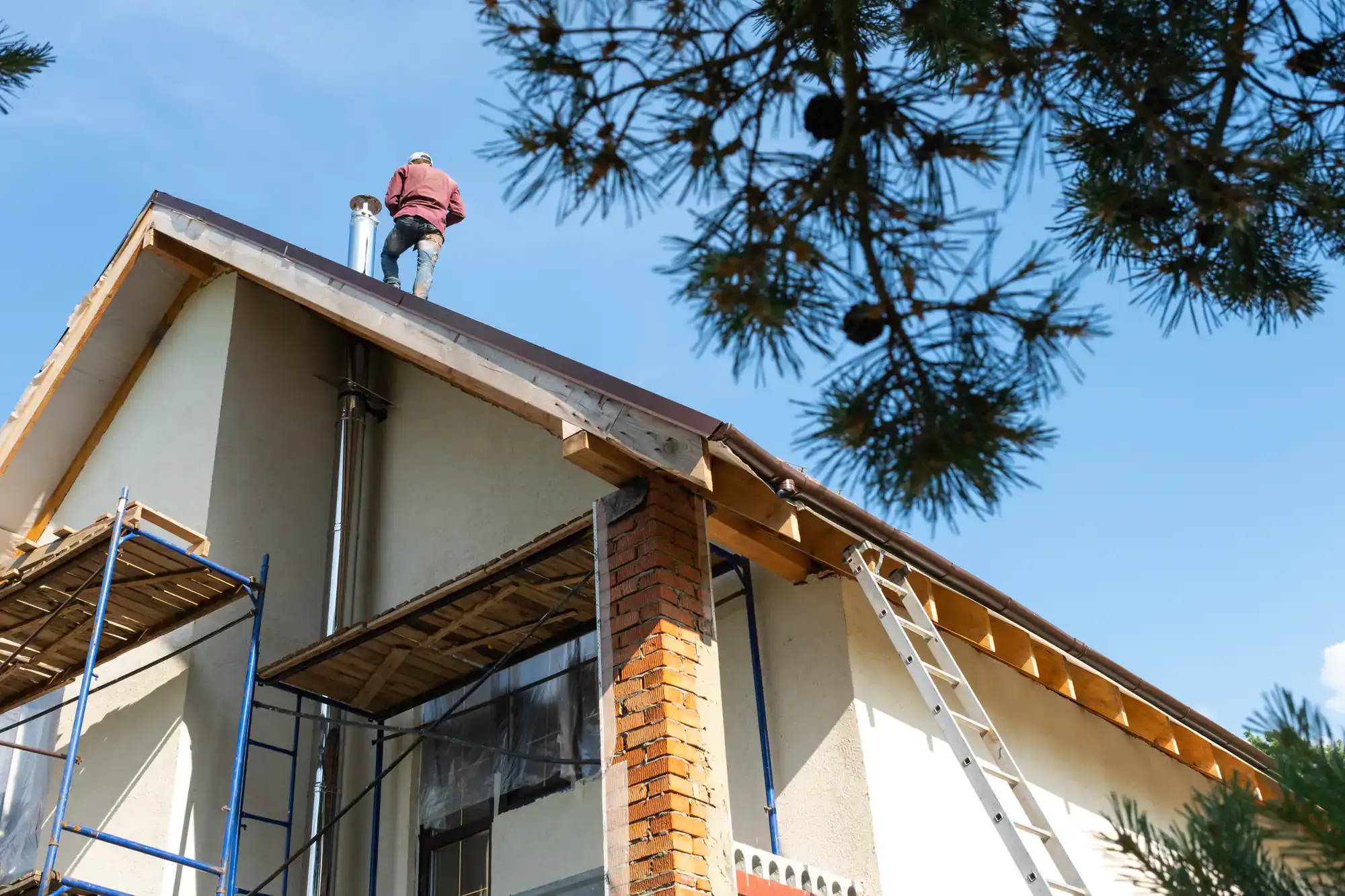
There’s a reason professional roofers spend years learning their trade. Roofing isn’t just about nailing down shingles in straight lines. It’s about understanding ventilation, flashing, underlayment, slope calculations, local building codes, and how different materials perform under specific weather conditions.
A professional roofer knows how to assess your entire roofing system—not just the surface. We can spot hidden water damage, identify ventilation issues that lead to mold, and catch structural problems before they become emergencies. Handymen and unlicensed workers might patch the obvious problem, but they often miss the underlying issue that caused it in the first place.
In Long Island, this matters even more. Coastal weather accelerates roof wear. Salt air corrodes flashing. Nor’easters rip off improperly secured shingles. Freeze-thaw cycles crack sealants. A professional roofing contractor who understands these local challenges installs your roof differently than someone following generic instructions.
When a roofer says they’re licensed and insured, they’re not just checking boxes. They’re proving they’ve met specific standards that protect you.
A roofing contractor license means they’ve passed exams on building codes, safety regulations, and proper installation techniques. It means local authorities verified their knowledge and gave them legal permission to work on homes in your area. Without that license, they’re operating outside the law—and you have zero recourse if something goes wrong.
Insurance is even more critical. Workers’ compensation insurance protects you if someone gets hurt on your property. Without it, you could be personally liable for their medical bills, lost wages, and long-term disability costs. That’s not a scare tactic. It’s reality. If an uninsured worker falls off your roof and breaks their back, your homeowners insurance might not cover it—and you could be facing a lawsuit that costs more than your entire house.
General liability insurance covers property damage. If a roofing crew accidentally damages your siding, breaks a window, or causes a leak that ruins your ceiling, their insurance pays for it. No insurance? You’re paying out of pocket.
Professional roofers carry both types of coverage because we understand the risks. We also provide certificates of insurance you can verify directly with the insurance company. If a contractor can’t—or won’t—show you proof of current, valid insurance, walk away. It’s not worth the gamble.
In Long Island, where roofing work happens year-round and weather can turn dangerous fast, insurance isn’t optional. It’s the baseline requirement for anyone you let climb onto your roof.
A roofer from Florida might know how to handle hurricanes, but do they understand ice dams? A contractor from Arizona might be great with heat, but do they know how to flash a chimney for Long Island’s freeze-thaw cycles?
Local experience matters because every region has unique roofing challenges. In Nassau and Suffolk County, your roof deals with salt air that corrodes metal components faster than inland areas. It handles nor’easters that drive rain sideways under shingles. It survives winter cycles where water freezes in tiny cracks, expands, and tears apart materials that weren’t installed correctly.
A professional roofer with Long Island experience knows which underlayment materials hold up to coastal moisture. We know how to install flashing around chimneys so ice buildup doesn’t force water into your attic. We understand that ventilation requirements differ here because humidity levels stay higher than in drier climates.
We’ve also built relationships with local suppliers, which means we can source quality materials quickly and often at better prices. We know which building inspectors to work with and which permits your project needs. We’re familiar with homeowner association requirements in different neighborhoods.
This kind of knowledge doesn’t come from a weekend certification course. It comes from years of working on roofs in your area, seeing what fails and what lasts, and learning from real-world results.
When you hire a roofing company that’s been serving Long Island for decades, you’re not just getting labor. You’re getting accumulated wisdom about what actually works in your specific environment. That’s worth far more than the lowest bid from someone who’s never dealt with a coastal nor’easter.
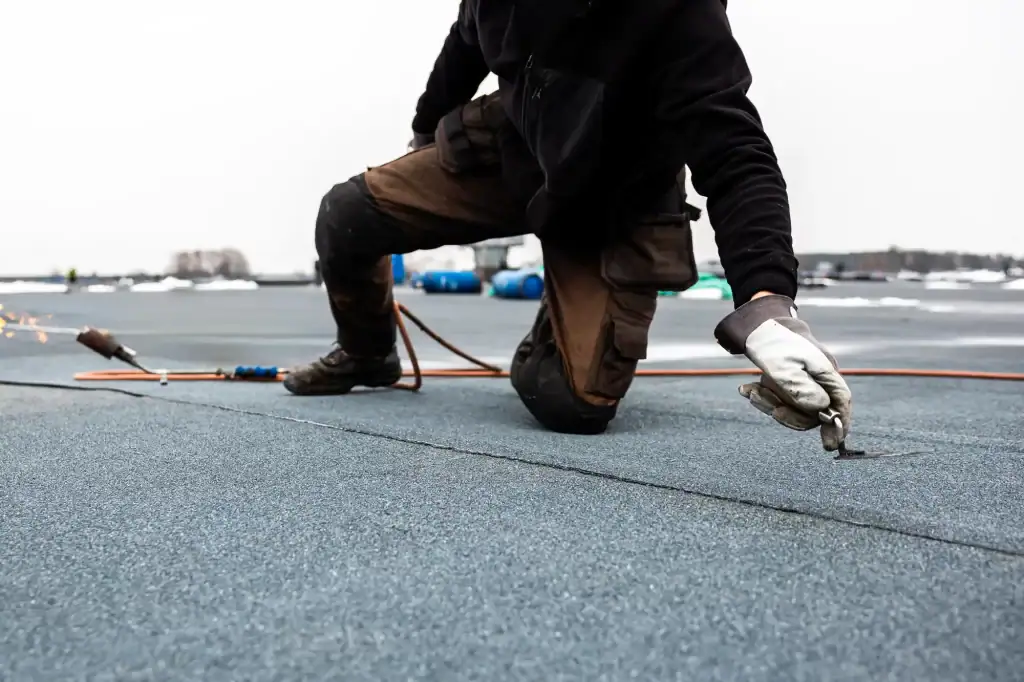
Not all roofing certifications are created equal. Some are weekend courses that teach basic product installation. Others require years of experience, rigorous testing, and ongoing education to maintain.
Manufacturer certifications from companies like GAF, Owens Corning, or CertainTeed show a roofer has been trained on specific product lines and installation methods. These aren’t participation trophies. They require contractors to meet strict standards for business practices, customer service, and installation quality. Many also come with enhanced warranty options you can’t get from uncertified installers.
Industry certifications from organizations like the National Roofing Contractors Association (NRCA) demonstrate broader knowledge across different roofing systems, materials, and techniques. These certifications require renewal every few years, which means certified roofers stay current on new technologies, building code changes, and best practices.
Your roof isn’t just shingles. It’s a complete system with multiple components that all have to work together: underlayment, flashing, ventilation, insulation, drainage, and the surface material itself.
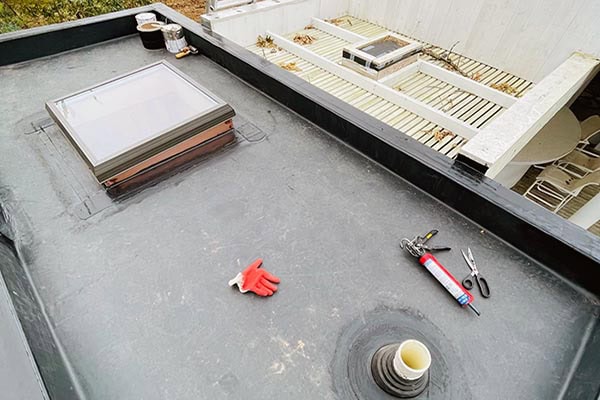
Professional roofers understand how these components interact. We know that poor ventilation causes shingles to age prematurely from heat buildup. We recognize that improper flashing around chimneys and skylights causes 90% of roof leaks—not the shingles themselves. We understand that inadequate underlayment allows water infiltration even when the surface looks fine.
When we inspect your roof, we’re looking at the whole picture. Is your attic properly ventilated? Are your gutters sized correctly for Long Island’s heavy rain events? Is your chimney flashing sealed with materials that can handle freeze-thaw cycles? Do you have ice dam protection in valleys where snow accumulates?
A handyman sees a missing shingle and replaces it. A professional roofer sees a missing shingle and asks why it came off in the first place. Was it installed incorrectly? Is there structural movement? Is wind getting under the edges because ventilation is creating pressure differentials?
This diagnostic approach prevents recurring problems. Instead of patching the same leak three times, a skilled roofing contractor fixes the root cause so it doesn’t come back.
For complex projects—like installing skylights, adding solar panels, or replacing a roof on a historic home—this expertise becomes even more critical. These jobs require understanding how new components integrate with existing structures, how to maintain proper waterproofing, and how to meet specific building codes.
Professional roofers also know when to recommend a full replacement versus repairs. We won’t try to sell you a new roof if a repair will last another five years. But we also won’t patch a failing roof just to make a quick sale when you really need a replacement. Our reputation depends on honest assessments and quality work that lasts.
The appeal of DIY roofing or hiring the cheapest unlicensed contractor is obvious: lower upfront costs. But that initial savings almost always turns into bigger expenses down the road.
According to the CDC, more than 100 people die from ladder-related falls every year in the United States, and thousands more suffer serious injuries. Roofing is one of the most dangerous construction jobs. Professional roofers invest in safety equipment, training, and protocols to minimize these risks. DIYers and unlicensed workers rarely take the same precautions—and when accidents happen, the consequences can be devastating.
Beyond safety, there’s the quality issue. A properly functioning roof requires getting dozens of details right: correct shingle overlap, proper nail placement, adequate underlayment, sealed flashing, appropriate ventilation, and more. Miss any of these, and you’re looking at premature failure, water damage, mold growth, or structural issues.
Many manufacturer warranties require professional installation by certified contractors. If you install shingles yourself or hire an unlicensed worker, you might void the warranty entirely. That means if the materials fail, you’re paying for replacement out of pocket—even if it’s a manufacturing defect.
DIY mistakes also create hidden damage that doesn’t show up immediately. Water might be leaking into your attic for months before you notice ceiling stains. By then, you could have rotted wood, destroyed insulation, and mold growing in your walls. Fixing that damage costs far more than hiring a professional roofer would have in the first place.
Unlicensed contractors present different risks. They might do decent work, but without proper insurance, you’re liable if they get hurt. Without licensing, you have no recourse if they disappear halfway through the job or if their work fails. And because they’re operating outside the system, they’re not accountable to building inspectors, manufacturer standards, or consumer protection laws.
In Long Island’s harsh coastal environment, these problems compound quickly. A small installation error that might take five years to cause problems in Arizona could fail in two years here because of salt air and freeze-thaw cycles. Professional roofers who understand local conditions install roofs that account for these stresses. Unlicensed workers and DIYers often don’t even know these factors exist.
The math is simple: paying a little more upfront for a licensed, insured, experienced roofing contractor saves you from paying a lot more later for repairs, replacements, and damage remediation.
Your roof protects everything inside your home. It’s not the place to cut corners or gamble on unqualified contractors.
When you’re choosing a roofer in Long Island, NY, look for the fundamentals: valid licensing, current insurance, local experience, manufacturer certifications, and a track record of quality work. Ask for references. Verify their credentials. Get multiple written estimates. And trust your instincts—if something feels off, it probably is.
The right roofing company won’t just fix your immediate problem. We’ll assess your entire roofing system, explain what you actually need, and install or repair it correctly so it lasts. We’ll stand behind our work with real warranties and be around years later if you need us.
We’ve been serving Long Island homeowners for over two decades with exactly this approach—licensed professionals, comprehensive insurance, local expertise, and a commitment to doing the job right the first time. Because your home deserves more than a quick patch job from someone who might not be around next year.
Article details:
Share:
Continue learning: