
Long Island's brutal weather destroys asphalt shingles in 15-20 years. Metal roofs last 40-70 years, cut energy costs up to 40%, and laugh at nor'easters.
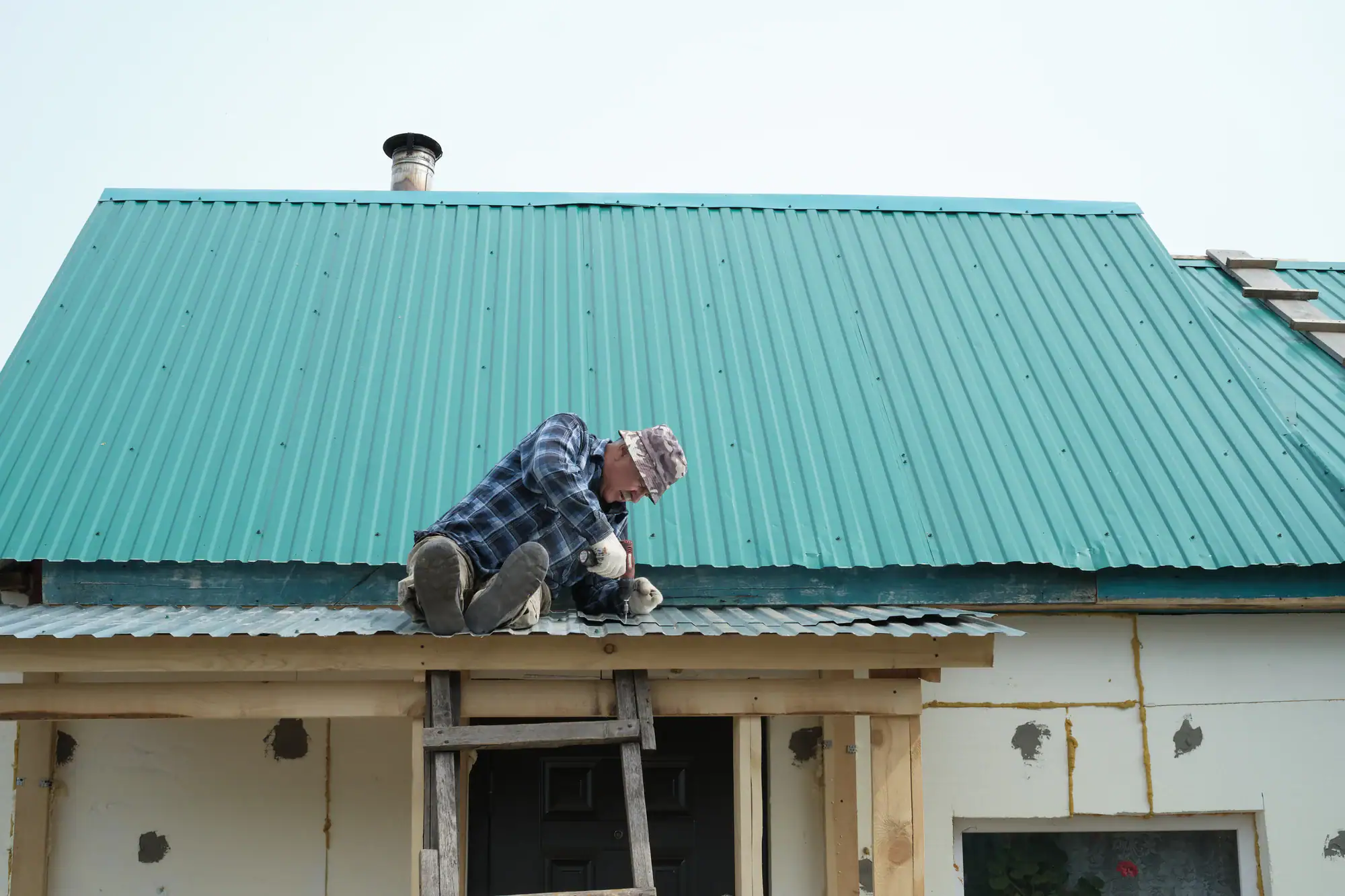
Asphalt shingle manufacturers love advertising 25-30 year lifespans. They’re not lying, exactly. They’re just not talking about Long Island.
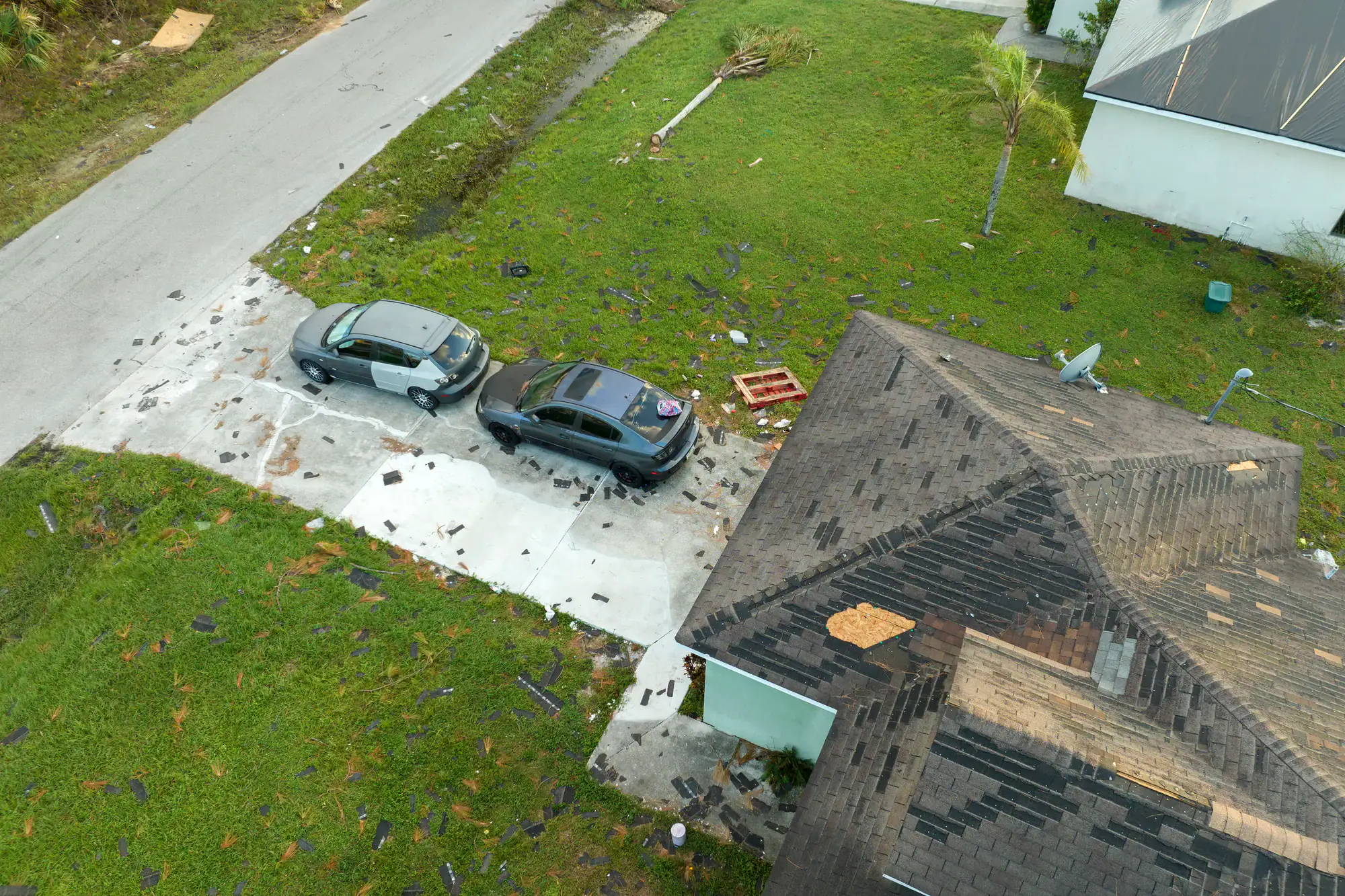
Coastal conditions tell a different story. Salt air accelerates granule loss. High winds lift and damage shingles. Humidity and temperature swings cause premature aging. In practice, you’re looking at 15-20 years before replacement—sometimes less if you’ve weathered multiple severe storms. That’s reality, not the brochure.
Metal roofs flip this equation. A properly installed metal roof in Long Island lasts 40-70 years depending on the material. Aluminum resists salt air corrosion that destroys other metals. Steel with quality coatings handles the freeze-thaw cycles and UV exposure. Copper and zinc can push past 70 years with minimal maintenance.
The longevity difference comes down to how materials respond to stress. Asphalt shingles are petroleum-based products with granular surfaces. Every storm strips granules. Every temperature swing causes expansion and contraction that breaks adhesive seals. Every winter brings ice dams that force water under shingles. Every summer brings heat that makes them brittle.
Metal doesn’t play by those rules. Modern metal roofing systems use interlocking panels with hidden fasteners that reduce leak points. The materials don’t absorb water, so freeze-thaw cycles can’t crack them from the inside. Reflective coatings bounce solar radiation instead of absorbing it, preventing the thermal stress that ages asphalt.
Long Island throws everything at your roof simultaneously. Nor’easters deliver sustained 40-60 mph winds with gusts beyond that—the kind that get underneath shingles and peel them back. Summer heat reaches extremes that cause asphalt to expand, then winter cold makes it contract. Spring brings the freeze-thaw cycles that create ice dams. Fall delivers the coastal storms with salt spray and sand abrasion.
Your roof isn’t just protecting your home from rain. It’s the first line of defense against an environment specifically designed to destroy it. Asphalt shingles were never engineered for this level of punishment. Metal roofs were.
The math is straightforward. One metal roof lasting 60+ years costs less than three asphalt roofs over the same period. You’re not paying more—you’re paying once instead of three times. The labor costs alone for two additional tear-offs and installations add up to more than the metal premium.
But longevity is just the starting point. What happens during those 40-70 years matters just as much as how long the roof lasts.
Not all metal roofs perform equally in coastal environments. The material choice determines whether you get 40 years or 70, whether you deal with corrosion issues or forget your roof exists.
Aluminum is the coastal champion. It doesn’t rust. Salt air that would destroy galvanized steel within 15-20 years barely affects aluminum. It’s lightweight, which reduces structural stress. The downside is cost—aluminum runs higher than steel—but for properties within a few miles of the coast, it’s often the only metal that makes sense long-term.
Steel offers the best strength-to-cost ratio, but it requires proper coating systems. Galvanized steel gets a zinc coating for rust protection. Galvalume steel uses a zinc-aluminum alloy coating that enhances corrosion resistance. Both work in Long Island’s coastal environment if you choose quality coatings and proper installation. Painted finishes add another protection layer while giving you color options.
Copper and zinc represent the premium end. Copper develops that distinctive green patina over time—some homeowners love it, others don’t. It’s expensive upfront but can last 100+ years with virtually no maintenance. Zinc offers similar longevity with a different aesthetic. Both are overkill for most residential applications, but they’re options if you want a roof that outlives your grandchildren.
The coating matters as much as the base metal. PVDF (polyvinylidene fluoride) paint systems resist fading and chalking for decades. They maintain color and reflectivity, which affects both appearance and energy performance. Cheaper coating systems save money upfront but require repainting or show wear within 10-15 years.
Standing seam profiles work best for Long Island homes. The vertical panels with hidden fasteners create a weather-tight system that handles wind uplift better than exposed fastener systems. Water runs off efficiently. Snow slides off instead of accumulating. The clean lines work with modern architecture, and the performance justifies the installation complexity.
Your roofing contractor should match the material to your specific location. Oceanfront properties need aluminum or heavily-coated steel. Inland homes can use standard galvalume systems. The distance from salt air, your home’s exposure to wind, and your budget all factor into the right choice.
But here’s what doesn’t change: any quality metal roof will outlast asphalt shingles in Long Island’s environment. The question isn’t if it lasts longer, it’s how much longer and what that means for your total ownership costs.
The upfront cost difference is real and significant. Metal roofing in Long Island runs $10-16 per square foot installed. Asphalt shingles cost $5-9 per square foot. For a 2,000 square foot roof, you’re looking at $20,000-32,000 for metal versus $10,000-18,000 for asphalt.
That’s a $10,000-14,000 difference that stops many homeowners right there. It’s also incomplete math that ignores what happens next.
Asphalt shingles in Long Island’s coastal environment need replacement in 15-20 years. You’ll pay for complete tear-off, disposal, and reinstallation. Labor costs have increased significantly—what costs $10,000 today will cost more in 15 years. You’re looking at 2-3 full replacements over a 60-year period.
Several factors push metal roofing costs up or down. Understanding them helps you budget accurately and avoid surprise expenses.
Roof size and complexity matter most. A simple gable roof installs faster than a multi-level roof with valleys, dormers, and skylights. Every penetration requires custom flashing. Every angle requires precise cutting and fitting. Complex roof designs increase labor hours, which drives up total cost.
Material choice creates the widest cost range. Corrugated steel panels offer the most affordable metal option—sometimes competitive with premium asphalt shingles. Standing seam aluminum systems cost significantly more but deliver superior coastal performance. Copper and zinc push into luxury territory with costs that can exceed $30 per square foot installed.
Existing roof condition affects the project scope. If your current roof has water damage to the decking, you’ll need plywood replacement before installing metal. Rotted fascia boards need repair. Inadequate ventilation should be corrected. These aren’t metal roof costs specifically, but they’re expenses that surface during replacement projects.
The removal and disposal of your old roof adds to the total. Some metal systems can install over existing shingles if your roof deck is sound and local codes allow it. This saves on tear-off and disposal costs while adding an extra sound-dampening layer. Not every situation allows it, but it’s worth discussing with your contractor.
Permits, inspections, and building code compliance are non-negotiable in Nassau and Suffolk County. Reputable contractors include these in their estimates. If a quote seems too good to be true and doesn’t mention permits, that’s a red flag. You want a licensed, insured contractor who pulls proper permits and follows code.
Warranty coverage varies by manufacturer and installation quality. Premium metal roofing systems come with 30-50 year material warranties. Labor warranties from your contractor typically run 10-20 years. These warranties have real value—they protect your investment if manufacturing defects or installation issues surface.
Seasonal timing can affect costs. Late fall through early winter tends to be slower for roofing contractors in Long Island. You might find better pricing or faster scheduling during these periods. However, weather delays are more common, and some installations work better in moderate temperatures. Spring and early fall offer the best balance of weather conditions and contractor availability.
Long Island summers mean high humidity, intense sun, and cooling costs that spike your electric bill. Your roof plays a bigger role in those costs than most homeowners realize.
Asphalt shingles absorb solar radiation. They get hot—surface temperatures can exceed 150°F on summer days. That heat transfers through your roof deck into your attic, raising attic temperatures to 130-140°F. Your air conditioning fights that heat load all day, every day, throughout the summer.
Metal roofs reflect solar radiation instead of absorbing it. Reflective coatings bounce 60-70% of solar heat away from your home. Surface temperatures stay 50-60°F cooler than asphalt shingles under the same conditions. Your attic stays cooler. Your air conditioning runs less. Your electric bill drops.
The energy savings range from 10-40% depending on your home’s insulation, attic ventilation, and the metal roof’s coating system. Lighter colors reflect more heat—white and light gray offer maximum cooling benefit. Darker colors still outperform asphalt shingles because of the reflective coatings used.
Over a 60-year lifespan, those monthly savings add up to thousands of dollars. The exact number depends on your home’s size, your cooling habits, and electricity rates. But the principle is simple: less heat entering your home means less energy required to remove it.
Winter performance matters too. Metal roofs shed snow efficiently. The smooth surface allows snow to slide off rather than accumulating and creating ice dams. You avoid the water damage that happens when ice dams force melted snow under shingles. You eliminate the weight stress on your roof structure from heavy snow loads.
Some homeowners worry that metal roofs make homes colder in winter. The opposite is true if your attic is properly insulated. The reflective properties that keep summer heat out also keep winter heat in. Your heating system benefits from reduced heat loss through the roof.
The energy efficiency advantage extends beyond just your utility bills. Your HVAC system works less, which means it lasts longer and requires fewer repairs. You’re reducing wear on equipment that costs thousands to replace. That’s another long-term savings that factors into the total cost equation.
The decision comes down to three factors: how long you’re staying in your home, what you value most, and what Long Island’s environment demands.
If you’re planning to sell within 5-7 years, asphalt shingles might make more financial sense. You won’t be around long enough to benefit from the metal roof’s longevity and energy savings. A new asphalt roof in excellent condition improves curb appeal and reassures buyers without the premium investment.
If you’re staying put for 10+ years, the math shifts heavily toward metal. You’ll recoup the cost difference through energy savings, avoided replacements, and increased home value. Metal roofs boost resale value by up to 6%, with homeowners recouping 85-95% of installation costs in the eastern U.S.
Long Island’s environment doesn’t care about your timeline. Nor’easters, salt air, freeze-thaw cycles, and summer heat will destroy asphalt shingles on their schedule, not yours. Metal roofs handle these conditions without the constant maintenance, repairs, and premature failure that plague traditional roofing materials here.
We’ve watched Long Island homeowners make this decision for over 20 years. The ones who choose metal rarely regret it. The ones who go with asphalt to save money upfront often end up replacing their roof sooner than expected, dealing with storm damage, or watching their energy bills stay high while their neighbors’ costs drop.
Your roof is too important to get wrong. It protects everything you own and everyone you love. It affects your comfort, your costs, and your home’s value for decades. Take the time to understand your options, get multiple estimates from licensed contractors, and make the choice that serves your long-term interests—not just your immediate budget.
If you’re ready to explore what a metal roof could do for your Long Island home, we bring two decades of coastal roofing experience to every project. We know what works in Nassau and Suffolk County because we’ve been installing it here since 2001.
Article details:
Share:
Continue learning: