Regular chimney maintenance isn't optional—it's what stands between your Long Island home and serious fire risks, carbon monoxide exposure, and thousands in avoidable repair costs.
Chimney maintenance isn’t about keeping things looking nice. It’s about stopping three major threats that homeowners face every year across Long Island and beyond.
First, there’s fire risk. Over 25,000 chimney fires happen annually in the U.S., causing more than $120 million in property damage. The culprit is usually creosote, a tar-like substance that builds up inside your flue every time you burn wood. This stuff is highly flammable and can ignite at temperatures as low as 165°F. Once it catches, chimney fires can reach 2,000°F, cracking flue liners and spreading heat to nearby wood framing.
Then there’s carbon monoxide. When your chimney can’t vent properly due to blockages or damage, toxic gases back up into your home instead of escaping outside. You can’t see it or smell it, but carbon monoxide poisoning claims around 500 lives each year. A blocked chimney from creosote, animal nests, or debris is one of the most preventable causes.
Finally, there’s structural damage. Water actually destroys more chimneys annually than fires do. Long Island’s freeze-thaw cycles are particularly brutal on masonry. When moisture seeps into cracks in your chimney cap, crown, or flashing, it freezes, expands, and breaks apart bricks and mortar. Left unchecked, this leads to costly chimney repair on Long Island that can run $5,000 to $15,000 or more for complete rebuilds.
The National Fire Protection Association is clear: chimneys should be inspected at least once a year. That’s not a suggestion—it’s the standard that protects your home and keeps your insurance valid.
If you use your fireplace regularly, especially for wood burning, you might need chimney cleaning services more often. The Chimney Safety Institute of America recommends cleaning when creosote buildup reaches 1/8 of an inch. For heavy users, that could mean twice a year.
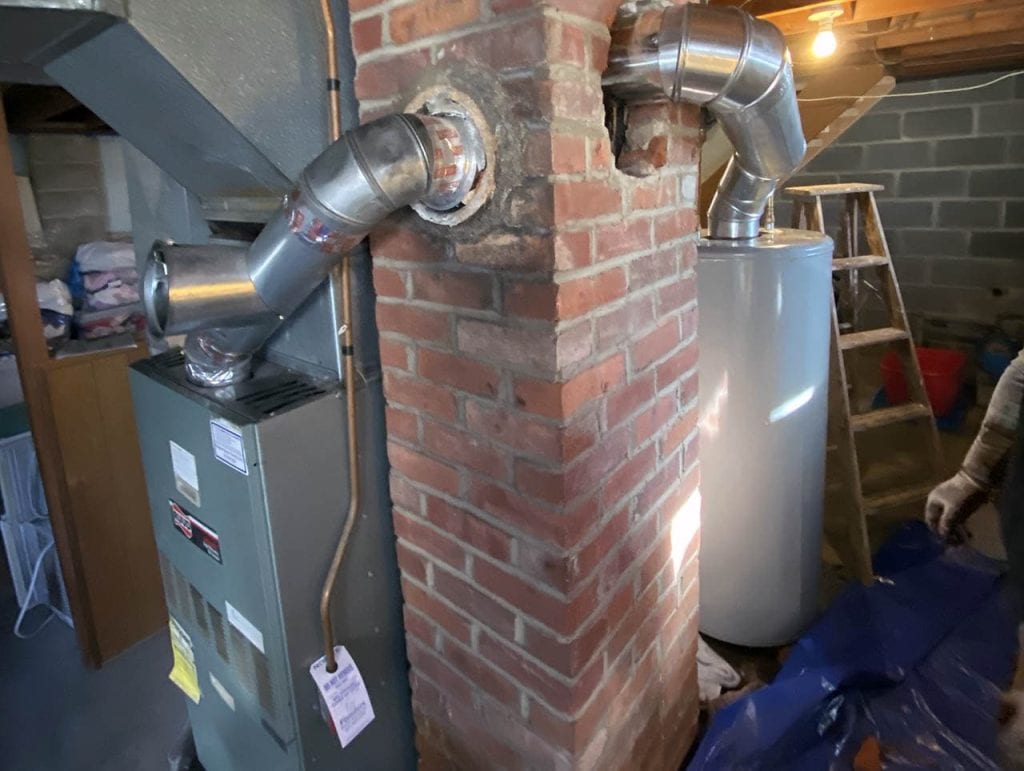
But here’s what catches people off guard: even if you rarely use your fireplace, you still need annual chimney inspections. Why? Because chimneys connected to gas furnaces, boilers, and water heaters also accumulate deposits and can develop dangerous blockages. Animals love nesting in unused chimneys during warmer months. One bird’s nest or a buildup of leaves can completely block your flue, creating a carbon monoxide hazard the first time you fire up your heating system.
There are three levels of chimney inspections, and understanding them helps you know what you’re paying for. Level 1 is your standard annual checkup—a visual inspection of accessible areas. It’s what most homeowners need when nothing has changed with their system. Level 2 is more thorough, using cameras to examine hidden areas inside the flue. You need this when buying or selling a home, after a chimney fire, or when you’ve made changes to your heating system. Level 3 is the most invasive, sometimes requiring removal of parts of the chimney structure to assess serious suspected damage.
The timing matters too. Most chimney professionals recommend scheduling your inspection in late summer or early fall, before the heating season begins. This gives you time to address any issues before you actually need to use your fireplace. It also means you’re not competing with the rush of homeowners calling for emergency service in the middle of winter.
Here’s the part nobody tells you: skipping annual chimney maintenance doesn’t just risk your safety—it can void your homeowner’s insurance. Most insurance policies won’t cover chimney damage that results from neglect. If you can’t prove regular maintenance and a fire or carbon monoxide incident occurs, you could be on the hook for all damages out of pocket.
Professional chimney cleaning services are more than someone showing up with a brush. It’s a systematic process that removes dangerous buildup and identifies problems before they become emergencies.
The process starts with a thorough inspection. Before any cleaning begins, a certified technician examines your entire chimney system—the cap, crown, flashing, masonry, flue liner, smoke chamber, damper, and firebox. We’re looking for cracks, deterioration, blockages, and signs of previous chimney fires that you might not even know happened. We now use specialized cameras to inspect areas that aren’t visible to the naked eye.
Next comes the actual cleaning. Technicians use professional-grade brushes sized specifically for your flue, along with industrial vacuums that contain the mess. We’re removing creosote, soot, and any debris that’s accumulated. The goal is to restore proper airflow and eliminate fire hazards. A good sweep will also clean the smoke chamber and firebox, not just the flue itself.
Here’s what separates professionals from DIY attempts: we know what to look for. While we’re cleaning, we’re also identifying hidden damage. Cracked flue tiles, separated mortar joints, damaged flashing, deteriorating chimney caps—these issues often go unnoticed until they cause serious problems. Catching them during routine chimney maintenance saves you from emergency repairs down the road.
The whole process typically takes 45 to 90 minutes for a standard residential chimney. We use drop cloths to protect your floors and furniture, and we clean up completely when we’re done. You shouldn’t have soot all over your living room when we leave.
What you’re really paying for is expertise and safety. Chimney sweeps are trained to spot problems that homeowners miss. We understand building codes, proper venting requirements, and the specific challenges that Long Island’s weather creates for chimneys. We have the right equipment to do the job thoroughly without damaging your chimney or creating a mess in your home.
Most professional chimney cleaning services in the Long Island area range from $200 to $400, depending on the complexity of your system and the level of buildup. That might seem like a lot until you compare it to the cost of a chimney fire, a carbon monoxide incident, or a $10,000 chimney rebuild because water damage went undetected for years.
And here’s the kicker: many chimney problems are completely preventable with regular cleaning. That $300 annual service isn’t an expense—it’s insurance against much bigger problems.
Chimney maintenance goes beyond cleaning. There are several critical chimney repair services that keep your system functioning safely, and understanding them helps you make informed decisions when problems arise.
Chimney caps might seem like small accessories, but they’re your first line of defense against water, debris, and animals. A properly installed cap keeps rain and snow from pouring directly down your flue, prevents leaves and branches from clogging your chimney, and stops birds and squirrels from nesting inside. When caps get damaged by storms or rust through from age, they need immediate replacement. Water pouring into an uncapped chimney causes extensive damage to flue liners, dampers, and interior masonry.
Flashing is the metal seal where your chimney meets your roof. It’s designed to create a watertight barrier, but Long Island’s weather is tough on flashing. Heavy rain, ice accumulation, and temperature swings cause flashing to warp, corrode, or separate from the chimney or roof surface. When flashing fails, water infiltrates your home, causing ceiling stains, attic damage, and deteriorating masonry. Many homeowners mistake flashing leaks for roof leaks, which is why professional chimney inspections matter.
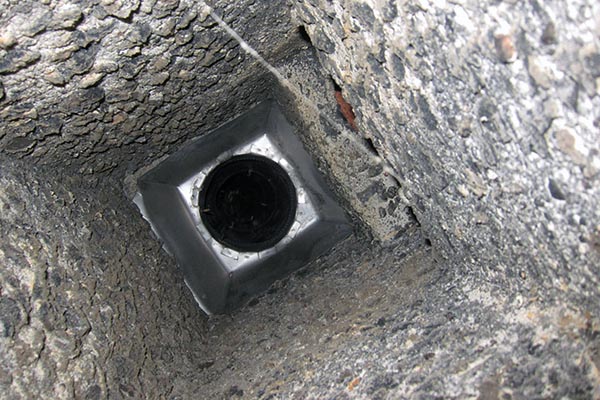
Then there are chimney liners. These protect your chimney walls from heat and corrosion while improving draft efficiency. Older homes in Nassau and Suffolk County often have clay tile liners that crack over time, especially after chimney fires or from freeze-thaw damage. Cracked liners are dangerous—they allow heat to reach combustible materials in your walls and let carbon monoxide seep into your home. Modern stainless steel liners solve these problems, improving safety and efficiency while meeting current building codes.
Your chimney cap sits at the top of your chimney, exposed to everything Long Island weather throws at it. Wind, rain, snow, ice, salt air near the coast—all of it takes a toll. Most caps are made of metal, and even stainless steel can eventually rust or become damaged.
A missing or damaged chimney cap creates immediate problems. Rain pours directly into your flue, saturating the interior masonry and damper. This moisture accelerates deterioration of your flue liner and can cause rust damage to metal components. In freezing weather, that water turns to ice, expanding and cracking masonry from the inside out.
Animals are the other major issue. Without a cap, your chimney is an open invitation for birds, squirrels, and raccoons looking for shelter. They build nests that block your flue, creating serious fire and carbon monoxide hazards. Many homeowners don’t realize they have a blocked chimney until smoke backs up into their house or their carbon monoxide detector goes off.
Quality chimney caps also include spark arrestors—mesh screens that prevent embers from escaping and landing on your roof or nearby trees. This is especially important if you burn wood regularly. One stray ember is all it takes to start a roof fire.
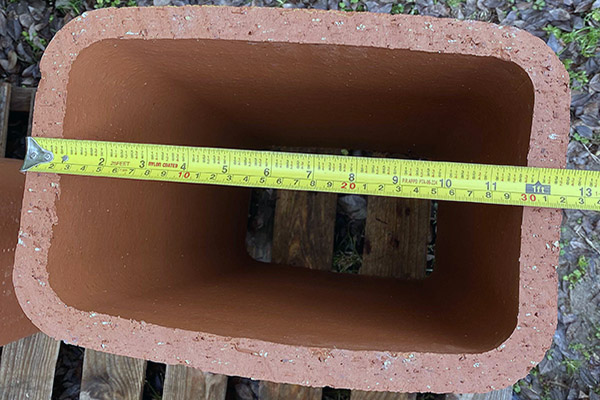
Chimney cap replacement is straightforward when handled by professionals. We’ll measure your flue opening, recommend the right cap for your specific chimney type, and install it securely so it won’t blow off in high winds. Custom caps are available for unusual chimney configurations or when you want a specific aesthetic.
The cost for chimney cap replacement typically ranges from $75 to $500, depending on the size, material, and complexity of your chimney. That’s a small price compared to the water damage, animal removal, and cleaning costs you’ll face without one. It’s also far less than the potential fire damage from flying sparks.
If you notice your chimney cap is rusted, dented, loose, or missing entirely, don’t wait. Every day without proper protection exposes your chimney to damage that compounds over time. Cap replacement is one of the most cost-effective preventive measures you can take.
Flashing failures are one of the most common causes of chimney leaks, and most homeowners have no idea it’s happening until they see water stains on their ceiling. By then, the damage has often spread beyond just the flashing itself.
Proper chimney flashing involves multiple layers working together. Step flashing sits under your roof shingles and runs up the side of your chimney. Counter flashing (also called cap flashing) covers the step flashing and is embedded into the chimney masonry. Base flashing seals the joint where the chimney meets the roof surface. All of these components need to be installed correctly and sealed properly to create a watertight barrier.
The problem is that flashing takes a beating. Temperature changes cause metal to expand and contract. Ice dams in winter put pressure on flashing seams. High winds can lift or bend flashing away from the chimney or roof. And over time, the sealant that creates the watertight seal breaks down, cracks, or separates.
When flashing fails, water finds its way into your home. It runs down the outside of your chimney, into your attic, and through your ceiling. It saturates the wood framing around your chimney. It damages interior masonry, causing bricks to deteriorate and mortar to crumble. Left unchecked, flashing leaks can require extensive chimney repair on Long Island to your chimney, roof, attic, and interior ceilings.
Professional flashing repair depends on the extent of the damage. Sometimes the flashing itself is fine, but the sealant has failed. In these cases, we can reseal the flashing with high-quality elastomeric sealants designed for the job. These products remain flexible through temperature changes and create long-lasting waterproof seals.
When the flashing itself is damaged—warped, corroded, or improperly installed—it needs replacement. This is skilled work that requires removing sections of roofing, properly layering new flashing, and sealing everything correctly. It’s not a DIY project. Improper flashing installation is one of the most common causes of recurring chimney leaks.
Flashing repair costs typically range from $400 to $1,600, depending on the extent of the damage and the complexity of your roof and chimney configuration. That might sound expensive, but compare it to the cost of repairing water-damaged ceilings, attics, and masonry. Or worse, dealing with mold growth from ongoing moisture problems.
If you notice water stains near your chimney, musty odors, or visible gaps in the metal flashing around your chimney base, get it inspected immediately. Flashing leaks don’t fix themselves, and the damage only gets worse with every rainstorm.
Chimney maintenance isn’t something you do when you remember. It’s preventive protection that keeps your family safe and saves you from expensive emergency repairs.
The threats are real: chimney fires, carbon monoxide poisoning, water damage, structural deterioration. But they’re also preventable with annual chimney inspections, regular chimney cleaning services, and prompt repairs when issues are identified. Long Island’s harsh weather makes this even more critical—freeze-thaw cycles and coastal conditions accelerate chimney deterioration faster than in many other parts of the country.
The investment is minimal compared to the risks. A few hundred dollars for annual maintenance versus thousands for emergency chimney repair on Long Island or complete rebuilds. Professional service versus DIY attempts that miss hidden damage. Peace of mind versus worry every time you light a fire.
For over 20 years, we’ve helped Long Island homeowners protect their chimneys and their homes. From inspections and cleanings to cap repairs, liner installations, and flashing work, we handle the full range of chimney maintenance services. If your chimney needs attention or it’s been more than a year since your last inspection, reach out to Expressway Roofing & Chimney, Inc. to schedule service.
Article details:
Share:
Continue learning: