
Professional roof inspections protect Long Island homes from costly surprises and weather damage through comprehensive evaluation.
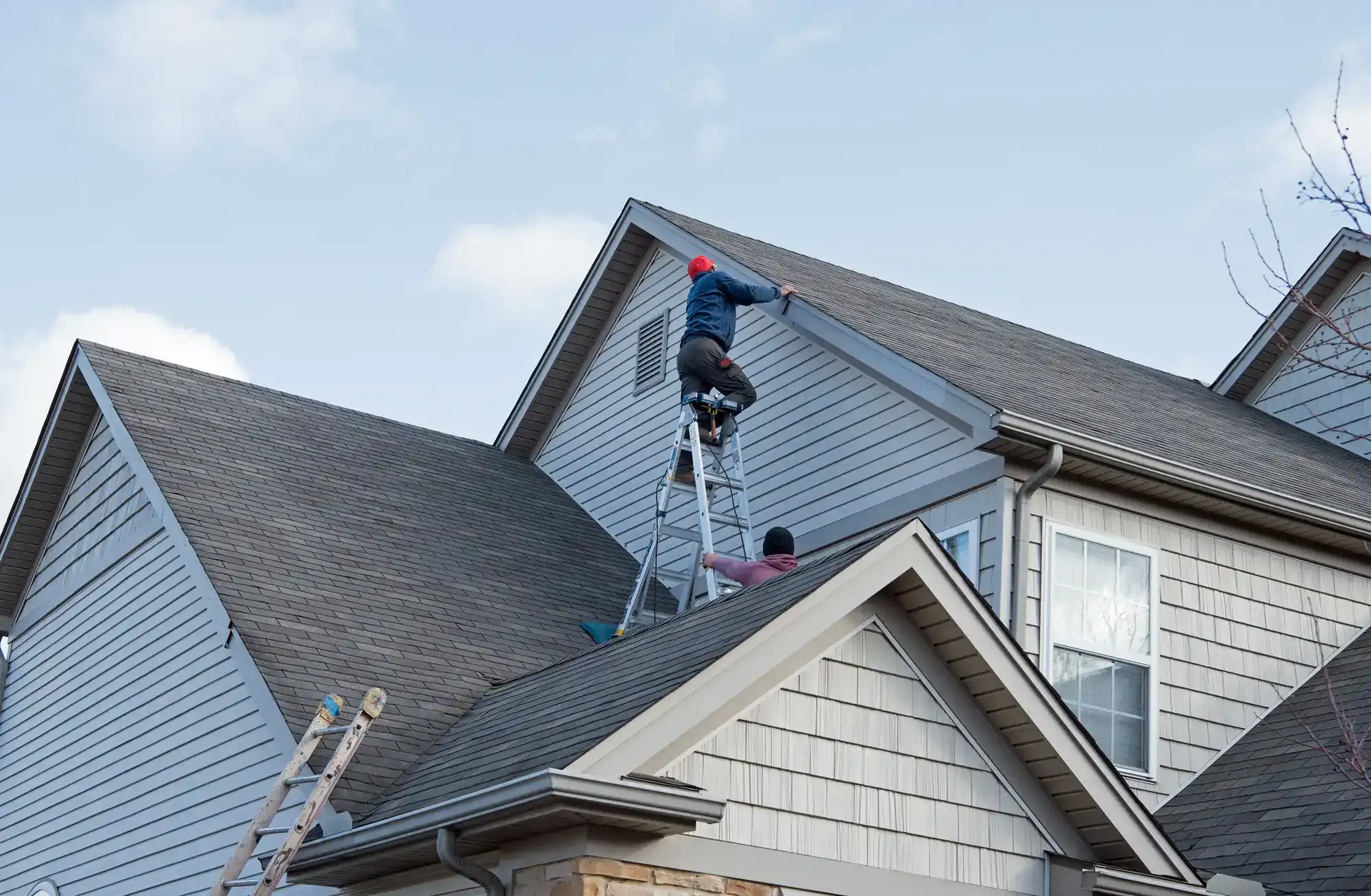
We start by arriving at your home and introducing ourselves. This isn’t a rushed job—most thorough inspections take 1-2 hours depending on your roof’s size and complexity.
Our qualified inspectors walk the entire area of your roof to identify and photograph all deficiencies. We’re not just looking for obvious problems. Professional inspectors are trained to spot issues that the untrained eye would never see—the kind of hidden problems that can turn into expensive disasters if left unchecked.
The exterior inspection is where the real work happens. We carefully evaluate all aspects of your roof and identify any areas that need repair or replacement. This means checking every shingle, examining flashing around chimneys and vents, and assessing gutters and downspouts.
We inspect for damaged flashing, compromised shingles like curled or granule-loss shingles, flat rubber membranes, parapet wall damage, soft and rotted plywood decking, and check peripheral elements like fascia and chimney brickwork. Each problem gets documented with photos so you can see exactly what we’re talking about.
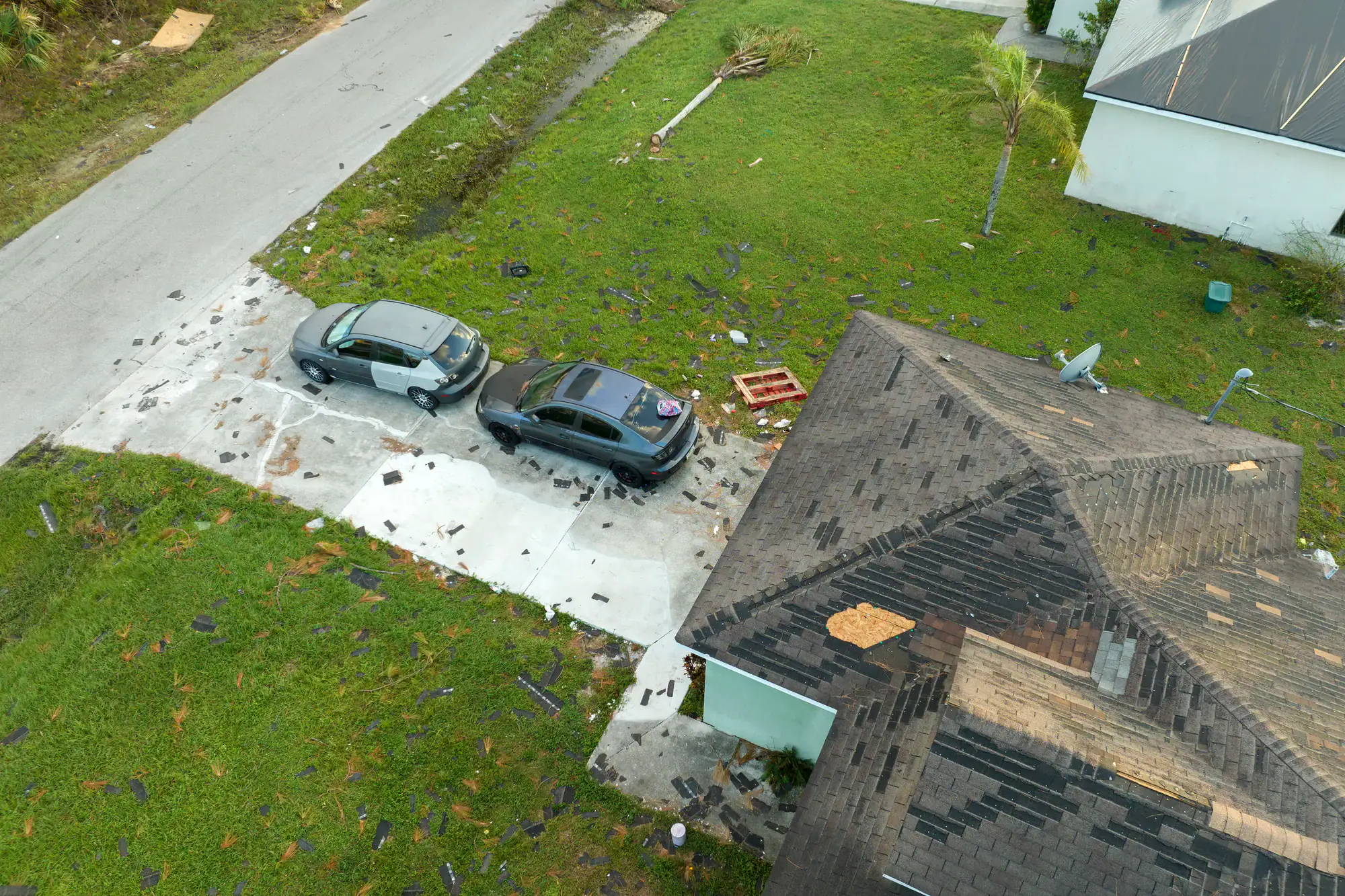
On Long Island, we pay special attention to weather-related damage. We look for shingles dislodged by strong winds and hail, loose or corroded flashing where water can seep through weak spots, and signs that debris has caused water backup. Coastal storms bring high wind speeds that can lift shingles and break flashing, while salty air accelerates corrosion of roof materials.
The documentation process is thorough. We photograph all deficiencies on the roof and note their location, severity, and potential impact on your home’s protection.
Professional inspections are extremely thorough, and there might be situations when we need to enter your home to check roof vents inside the attic. This interior assessment is crucial for getting the complete picture of your roof’s condition.
When providing estimates for roof work, we come inside to check your attic’s ventilation system and the condition of your roof decking. We ensure ventilation is performing adequately and determine if anything needs attention. Poor ventilation can lead to ice dams in winter and excessive heat buildup in summer.
Inside your home, we look for telltale signs of roof problems. We check for water stains on ceilings or walls, and if flashing materials are cracked or peeling, water can get inside and lead to bigger problems once temperatures freeze. Water backed up behind ice dams can creep under shingles and leak into roof decking and attic, often showing up as ceiling stains or wet attic insulation.
Problems with your roof can cause issues in your attic and vice versa. We can identify common roofing problems including pests, which are often a sign of small entry points that need sealing.
Once the inspection is finished, we write up a document stating what needs to be fixed. This isn’t a sales pitch—it’s a professional assessment of your roof’s current condition and any issues that need attention.
We give you a full rundown of everything we found and explain how you can go about correcting any problems. The good news? When professionals inspect your roof, you’ll actually learn things. We provide tips and information on how to make your roof last longer.
Our inspection report breaks down findings into categories: immediate concerns, maintenance recommendations, and items to monitor. Professional reports outline the general state and functionality of your roof, and detailed reports help property owners protect their investment.
The report typically includes photos of problem areas, explanations of what each issue means for your home’s protection, and recommended timelines for addressing different concerns. Minor maintenance items might be something you can handle yourself, while structural issues require professional attention.
A roof inspection can save hundreds or thousands of dollars in costly repair or replacement work if small problems are caught at the right time. We can also issue documentation that shows insurance agencies when damage was caused by storms.
Understanding priority levels helps you make informed decisions about your budget and timeline. Even small leaks can ruin insulation, encourage mold growth, and weaken structural integrity. Once moisture gets in, it can freeze when temperatures drop, turning minor leaks into bigger gaps.
Regular inspections and maintenance save money in the short term because leaks that are allowed to linger become more costly to repair. Your inspection report gives you a roadmap for protecting your investment.
Routine inspections and maintenance save Long Island homeowners money in the long run by preventing major damage and extensive repairs, helping ensure your system lasts for its intended service life and postponing the need for costly replacement.
Some repairs need immediate attention, especially before Long Island’s harsh winter season. Small problems can quickly snowball into costly repairs after months of snow, ice, and big temperature swings. Other items can be scheduled for spring or when your budget allows.
We don’t just identify problems—we help you understand how to better care for your roof and provide information on making it last longer. This education component is valuable for any Long Island homeowner dealing with challenging weather conditions.
Roof inspections help identify potential issues early, preventing costly repairs or replacements down the line. While the upfront cost may seem high, inspections can save money in the long run by identifying problems early.
Industry experts recommend professional inspections at least once a year to identify potential issues like damaged shingles, leaks, or structural damage. For Long Island homeowners, this regular maintenance is especially important given the area’s challenging weather conditions.
When you’re ready to schedule your professional roof inspection, choose a contractor who understands Long Island’s unique challenges. We have been protecting Long Island homes for over two decades, providing thorough inspections and honest assessments that help homeowners make informed decisions about their roof’s care and maintenance.
Article details:
Share:
Continue learning: