
Storm damage isn't always obvious after severe weather hits Long Island. Discover the hidden signs that could save you thousands in repairs.
Long Island’s location makes it a frequent target for Nor’easters and strong seasonal storms. These powerful systems bring fierce winds and heavy precipitation, testing the strength of even the best-built roofs. Nor’easters and coastal storms can rip away shingles, pummel your roof with rain, and expose any weakness in your roofing system.
These storms bring high wind speeds that can easily lift shingles, break flashing, and even cause structural damage to the roof deck. Additionally, the salty air from the ocean accelerates salt corrosion, weakening roof materials and making them even more vulnerable during extreme weather conditions. What makes Long Island particularly challenging is the combination of factors working against your roof simultaneously.
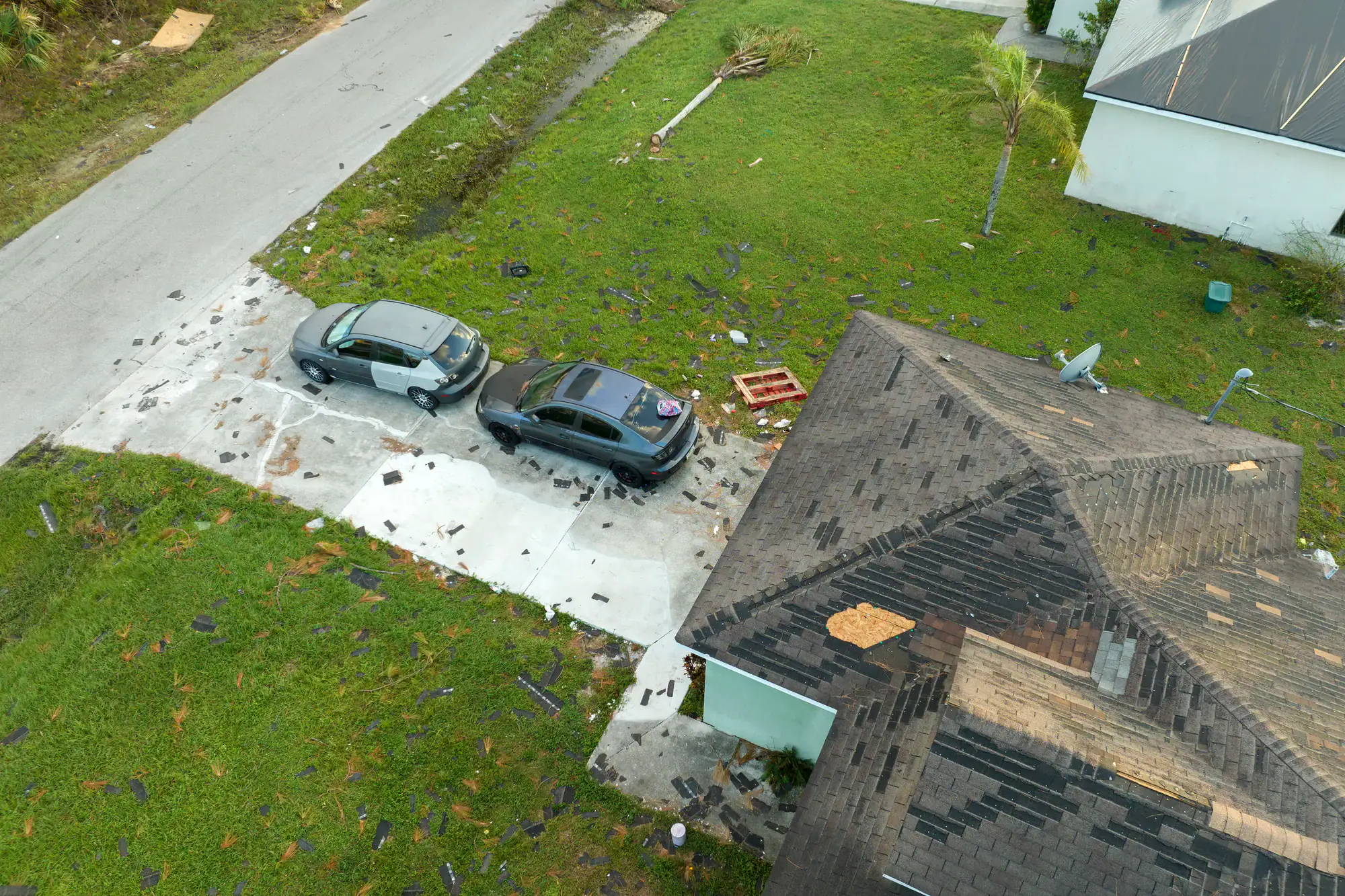
High winds can lift and tear off shingles or even damage the roof decking on older or poorly built roofs. Gusts often exceed 50-60 mph in a bad storm, enough to break the adhesive seal on asphalt shingles, leaving sections of your roof vulnerable to water. You might find shingles scattered in your yard, but that’s just the obvious damage.
The real problem lies in what you can’t see from the ground. During severe storms, wind can lift and break the sealing strip between shingles. Although the shingles may appear undamaged, compromised sealing strips can lead to future leaks and significant issues. The critical role of sealing strips in maintaining a watertight roof means that even minor wind damage can create major problems down the line.
The damage to your home after a rain or wind storm isn’t always obvious. When it comes to wind damage, roof shingles may look unharmed at first. It’s important to examine your roof so you catch subtle signs of deterioration. This is why professional assessment becomes crucial—trained eyes can spot compromise that homeowners typically miss.
We understand that high winds during storms can rip shingles off or cause them to loosen over time. Hailstones can crack or puncture shingles, leaving them vulnerable to further damage. The freeze-thaw cycle in winter causes shingles to expand and contract, leading to cracking, warping, and curling. These multiple damage types often occur simultaneously, creating compound problems that require expert evaluation.
Imagine Tiger Woods driving a thousand golf balls at your roof and you’ll have a good idea of how a severe hail storm can harm roof shingles and other roof elements (skylights, gutters, vent hoods, etc.). But here’s what most Long Island homeowners don’t understand about hail damage: hail damage may not be immediately noticeable to the untrained eye. While you may not see visible holes or indentations, hail can drastically shorten the lifespan of your roof. If you’ve observed damaged siding, vehicles, or neighbors undergoing repairs, it’s highly likely that your roof requires attention too.
While hailstorms tend to be relatively short, and rarely last for longer than 15 minutes, hailstones can leave dents or pockmarks in shingles and knock shingle granules loose. This can be problematic because these granules help protect your roof against rain and sun damage. Hail damage can also ruin the pleasing aesthetic appearance of your roof’s surface.
The challenge with hail damage is its delayed impact. Even if your roof does survive a hail storm without leaking, there may still be significant hail damage. Hail-damaged roof shingles may not cause a problem for months or years, but it’s wise to call us as soon as possible to see if the damage merits roof repair or roofing replacement.
Insurance companies know this too. Insurance companies often subscribe to tracking and reporting services that monitor hail and wind activity in specific areas. If your neighborhood experienced damaging hail, your insurance company likely knows about it. To ensure a smooth claims process, contact us when hail is present in your area, allowing us to be present during the adjuster’s inspection. This timing can make the difference between a covered claim and an expensive out-of-pocket repair.
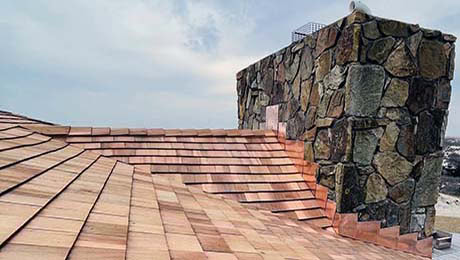
Sometimes it’s easy to tell if you have roof damage after a severe storm or hailstorm—shingles on the ground, a tree on the roof, or visible dents and bends. Sometimes, however, you won’t know how bad that hailstorm was until days, weeks, or months later. Knowing what to look for can save you thousands in repairs and protect your home from further damage.
The key is understanding that storm damage reveals itself in stages. What seems minor today can become a major structural problem tomorrow. Waiting too long for an inspection can turn small problems into big ones, leading to costly repairs, or even a full roof replacement. A tiny leak can quickly become a big issue, causing mold or interior damage.
Your home’s interior often tells the story of roof damage before you can see it outside. A leaky roof may not become immediately apparent, but after a while, you can tell if water is seeping into your home. Spots on the ceiling or walls, musty odors, mold or mildew, and wet spots are some signs of leaks.
Water stains on your ceilings or walls are often the most visible signs of a roof leak. These stains typically appear when rainwater seeps through cracks or penetrations in your roof, such as around chimneys, vents, or skylights. After a storm, make it a priority to inspect your home’s interior, especially on the upper floors, for any discoloration or damp spots. Addressing these issues promptly can save you from extensive damage and expensive repairs.
Don’t overlook your attic. Even if your roof appears to be intact, check conditions in the attic to make sure. Damage that exposes the attic to outside air will raise the level of moisture. You can catch signs of water here even before a leak starts to penetrate into your ceiling. Check for airflow from outside or a damp, clammy feeling.
Even if your roof appears intact, moisture in your attic could indicate hidden leaks. High humidity or damp spots in your attic can lead to mold growth and significant water damage if left unchecked. After a storm, take the time to inspect your attic for any signs of moisture, such as damp insulation, warped rafters, or water stains on the walls or ceiling. These early warning signs can prevent thousands in structural damage.
Blistering or peeling paint near your roofline is more than just a cosmetic issue—it can indicate underlying problems with your roof’s ventilation. When moisture gets trapped due to inadequate ventilation, it can cause paint to bubble and peel. Storms can exacerbate these issues, making inspecting your roof and addressing any ventilation problems even more critical. If you notice peeling paint, it’s likely a sign that your roof needs professional attention.
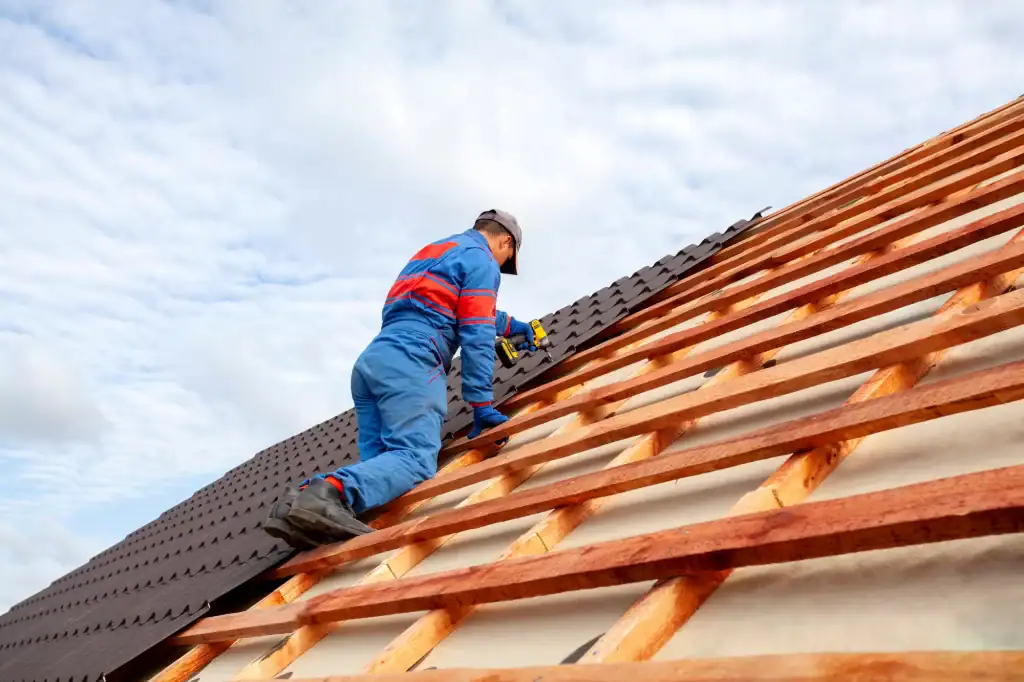
It’s hard to know the level of damage to a roof before you go up and check things out, but doing that is extremely dangerous. Water leaks and significant water damage can make roofs unstable. Going up on an unstable roof could end in a situation much worse than needing a roof repair or replacement. Keep yourself safe and leave inspections to us.
However, there are critical signs you can safely observe from the ground. If you notice an inordinate number of shingles scattered around your home or stuck in your gutters after a storm comes through, it may be time to contact us for a free roof inspection. Shingles are the last line of defense against the elements, so quickly identifying and fixing issues with them could lower repair costs in the long run.
If you have a chimney and notice that it’s in an unusual position, you may need to have it inspected. If you can safely do so, you can inspect the chimney for cracks and chips in the mortar as well. A broken chimney could mean extensive structural damage. This type of damage often indicates that the storm’s impact was more severe than initially apparent.
When your gutters and downspouts leak or don’t function well, the lifespans of your roof and home’s exterior decrease dramatically. So, after a heavy rain or severe storm, examine your whole roofing system, which includes the gutter and downspout. Gutters can suffer significant damage during a storm. Hail, high winds, and heavy rain can cause gutters to clog, detach, or overflow. It’s crucial to check your gutters for debris, dents, or loosened sections after a storm. This simple inspection can help you catch potential problems early, preventing water from seeping into your home’s foundation or interior and causing severe damage over time.
Look for granules from your shingles. Look for shiny granules from shingles trapped in your gutters. If the hail did enough damage to warrant granule loss, the integrity of the shingles is compromised. Just know granule loss also happens as a roof ages and is a sign that it’s time for a replacement. Finding excessive granules after a storm is a clear indicator that your roof sustained damage that requires professional evaluation.
Most insurance policies require timely claims. Delaying your roof inspection could put your coverage at risk. The sooner, the better. A professional inspection within 24-48 hours after the storm ensures immediate damage assessment and quicker repairs. Don’t let timing issues cost you thousands in uncovered repairs.
The bottom line is this: homeowners often don’t know exactly what type of damage a storm can do because many problems are virtually invisible to the non-professional eye. That’s why it’s crucial to hire a competent roofing company to do a full inspection. With an independent inspector, you can rest assured that they’re giving you an honest and transparent report of any damage and whether your roof needs to be replaced.
At Expressway Roofing and Chimney Inc, we understand Long Island’s unique weather challenges and have the experience to spot damage that others might miss. Our thorough inspections protect your investment and give you the peace of mind that comes from knowing your roof is truly storm-ready. Don’t wait for small problems to become expensive disasters—contact us for a professional assessment that could save you thousands.
Article details:
Share:
Continue learning: