
Your roof does more than cover your house. Learn what actually matters when it comes to modern roofing systems, materials, and maintenance on Long Island.
A roof isn’t just shingles nailed to plywood. It’s a complete system designed to shed water, regulate temperature, and stand up to whatever weather throws at it. Understanding how these components work together helps you spot problems early and make better decisions when repairs or replacements come up.
The outer layer—whether it’s asphalt shingles, metal panels, or another material—is what you see. But underneath, there’s underlayment that provides a waterproof barrier, ventilation that prevents moisture buildup, and flashing that directs water away from vulnerable spots. When one component fails, the whole system suffers.
Long Island’s coastal climate makes this even more critical. Salt air accelerates corrosion on metal components. Temperature swings cause materials to expand and contract. Storms test every seal and fastener. Your roof needs to handle all of it, year after year.
Asphalt shingles dominate Long Island roofing for good reason. They’re affordable, relatively easy to install, and available in dozens of styles and colors. Architectural shingles—thicker and more dimensional than basic three-tab versions—offer better wind resistance, which matters when nor’easters roll through. Most quality asphalt roofs last 20-25 years with proper maintenance.
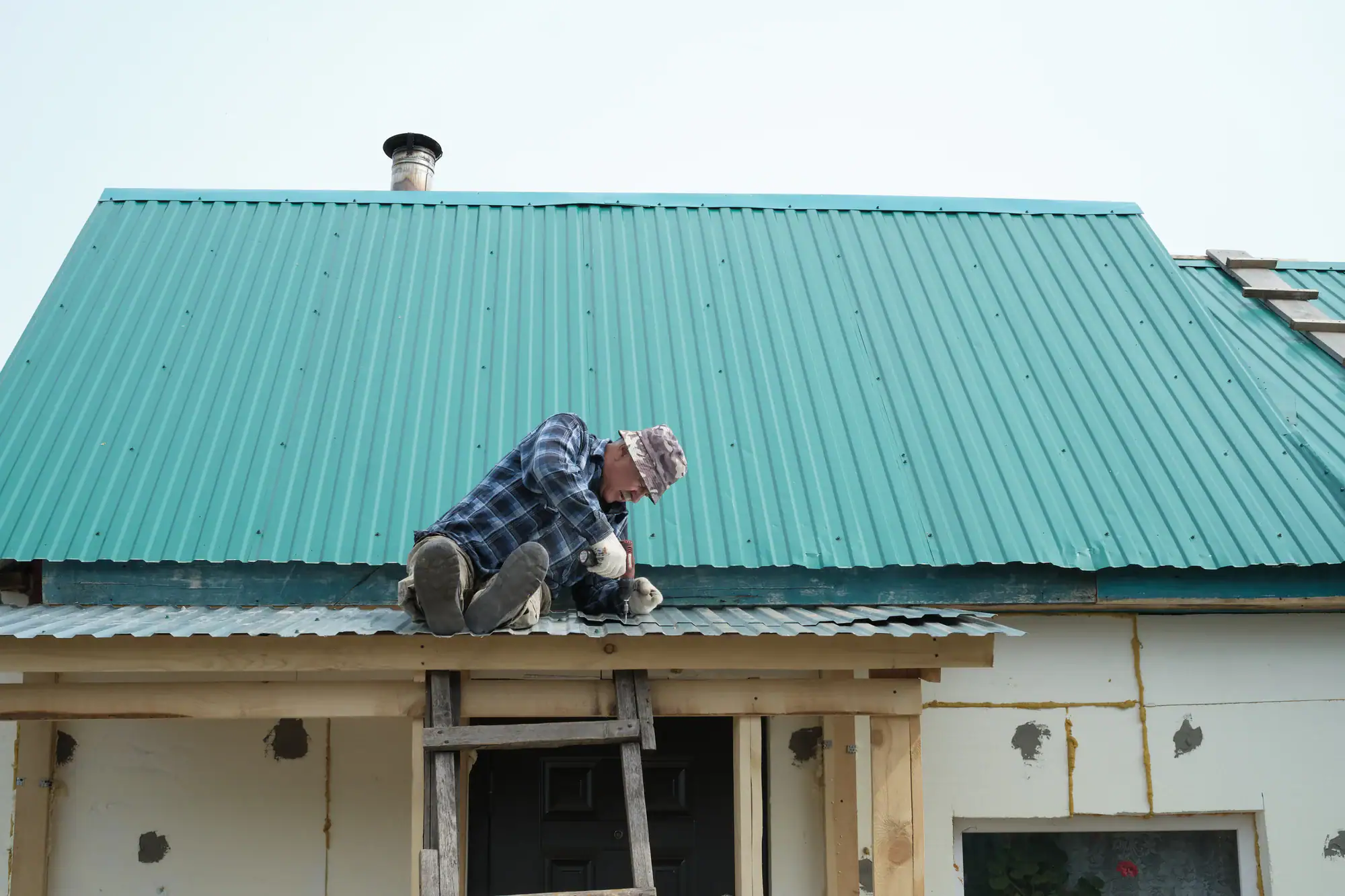
Metal roofing has gained serious ground in recent years. Steel, aluminum, and copper options can last 50+ years. They’re fire-resistant, energy-efficient, and surprisingly quiet when properly insulated. The upfront cost runs higher than asphalt, but the longevity often makes the math work. Metal roofs excel in coastal areas because modern coatings resist salt air corrosion.
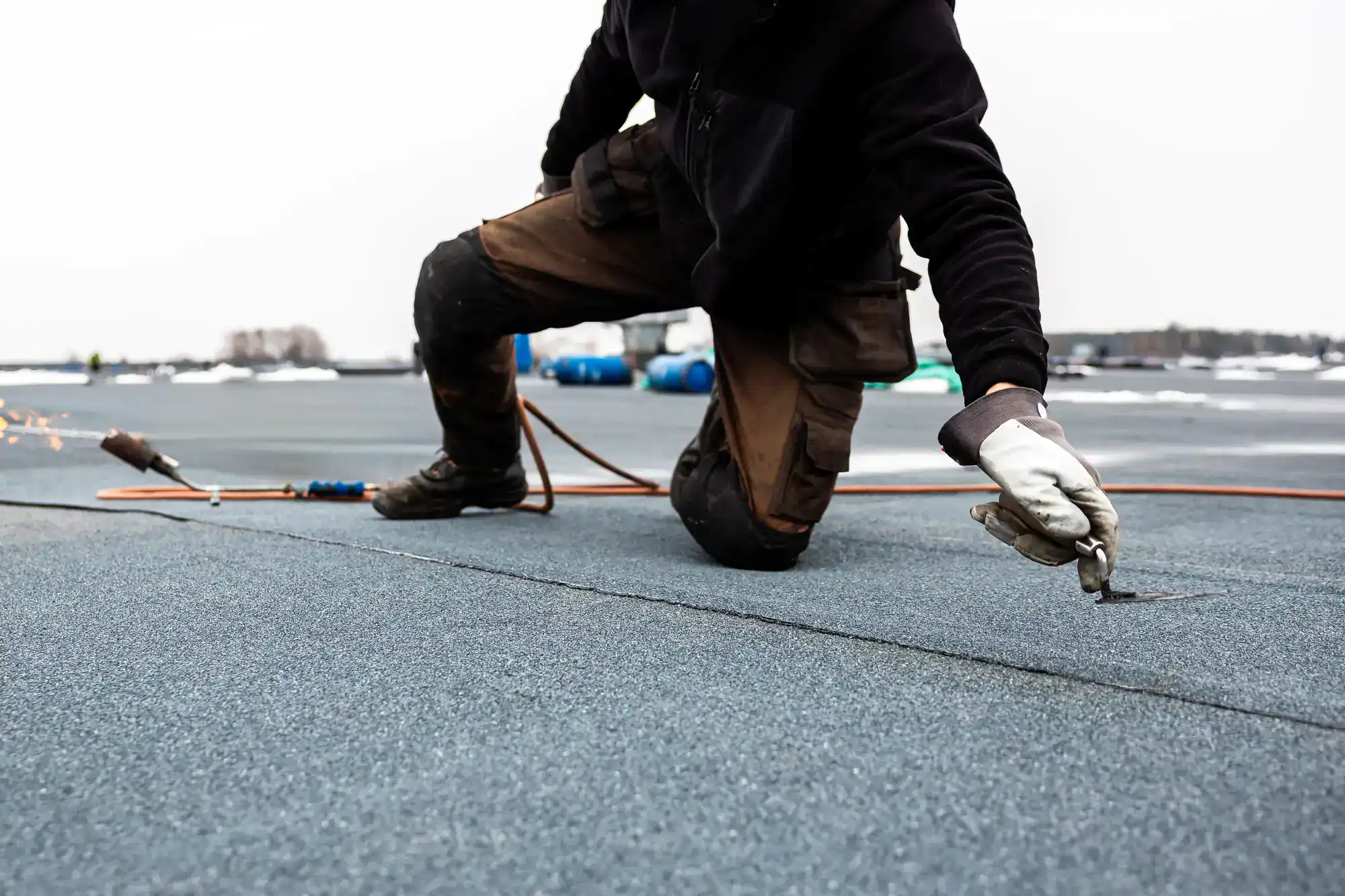
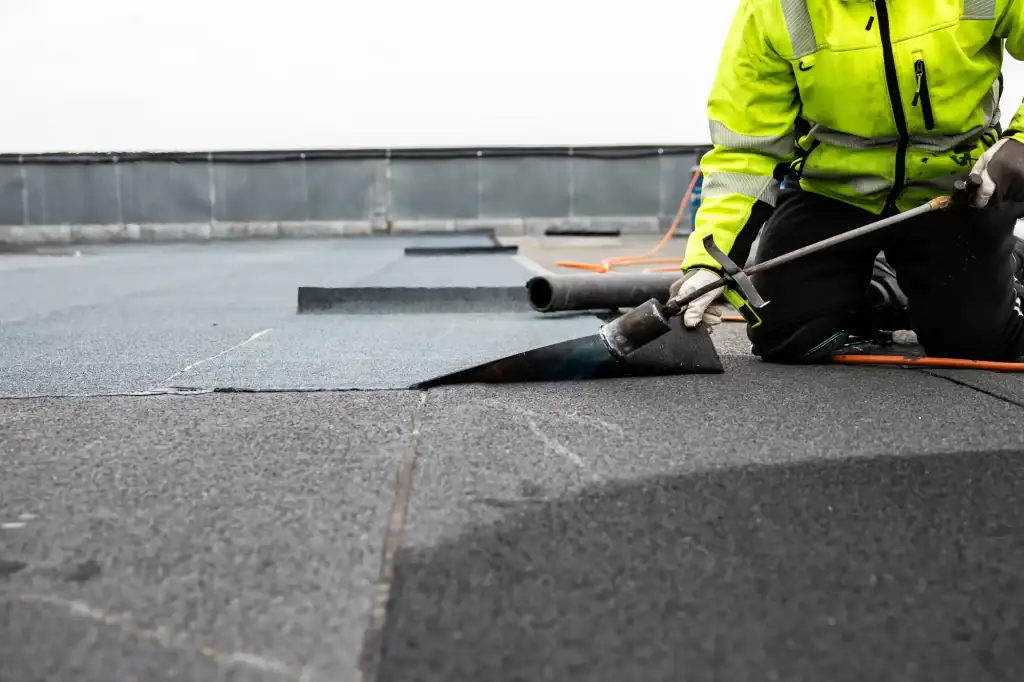
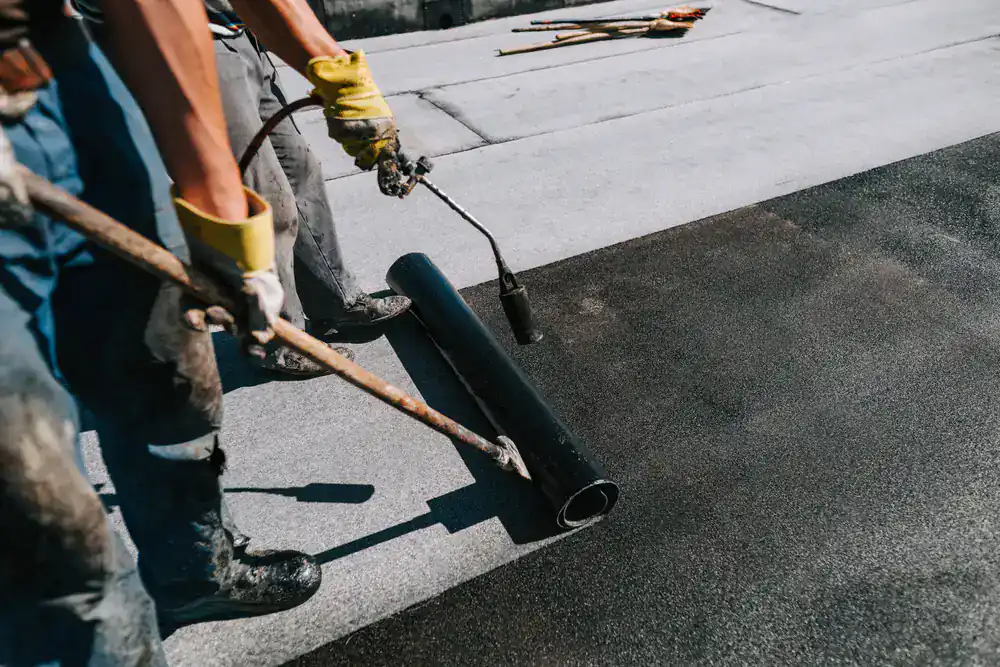
Flat roofing systems use different materials entirely—TPO, EPDM rubber, or modified bitumen. These membranes are heat-welded or adhered to create watertight seals. TPO’s white reflective surface cuts cooling costs during humid Long Island summers. EPDM handles thermal movement well, making it ideal for buildings that expand and contract significantly. Both can last 20-30 years when installed correctly.
The material you choose depends on your building’s structure, your budget, and how long you plan to stay in the home. A roof that lasts 50 years matters more if you’re planning to stay put. If you’re selling in five years, a quality asphalt roof makes more financial sense. There’s no universal “best” option—just the right fit for your situation.
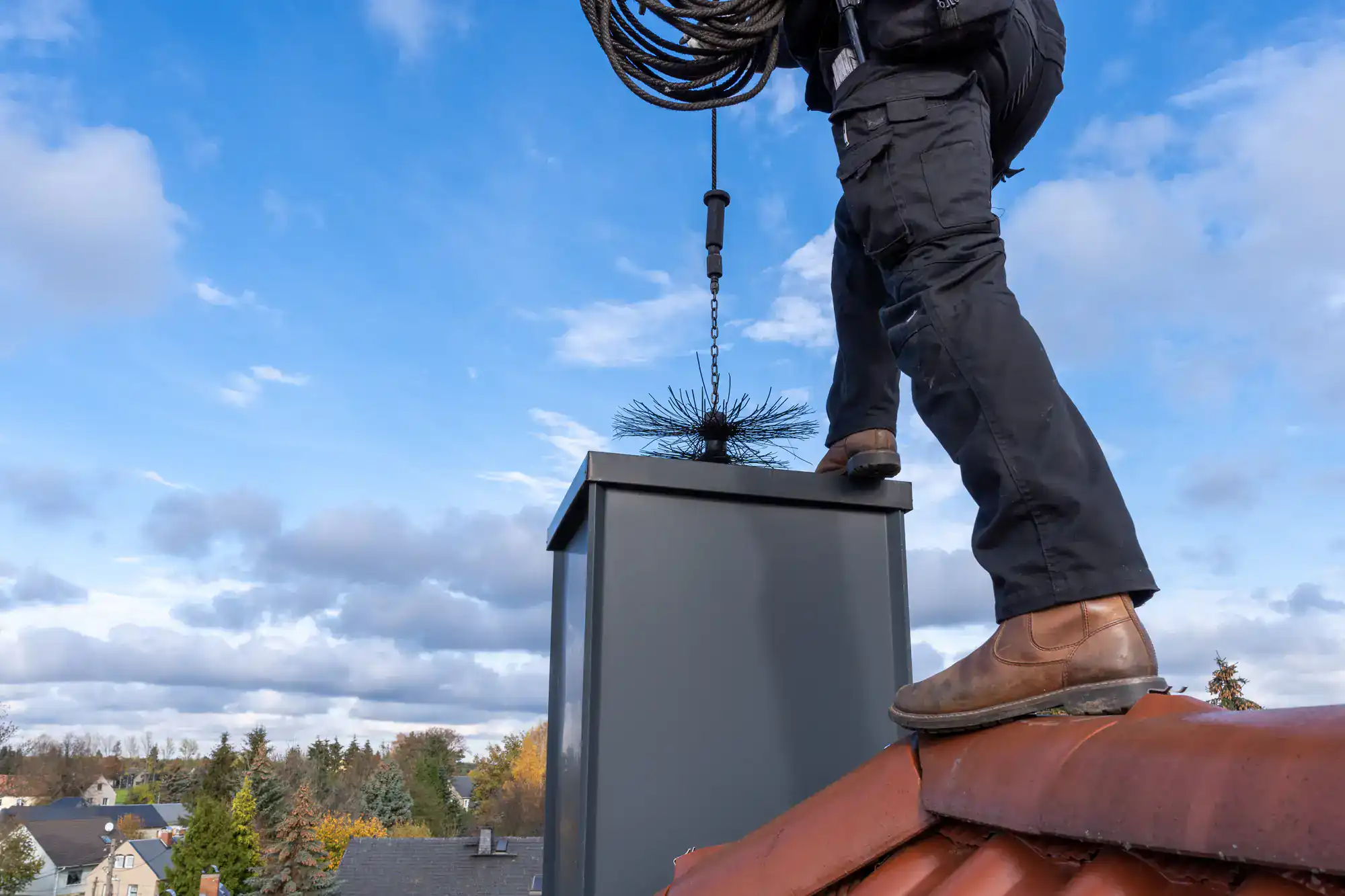
Flashing—those metal strips around chimneys, skylights, vents, and wall intersections—causes more roof leaks on Long Island than any other single issue. These pieces direct water away from vulnerable spots where different surfaces meet. When they fail, water finds its way in.
Salt air is particularly hard on flashing. It corrodes aluminum and galvanized steel faster than you’d expect. Temperature changes make the metal expand and contract, creating gaps over time. Poor installation compounds these problems—if the flashing wasn’t sealed properly from day one, you’re already on borrowed time.
The tricky part is that flashing leaks often show up far from the actual problem. Water enters at a failed seal, runs down inside the wall or roof assembly, and appears somewhere else entirely. You might see stains on your ceiling near a window, but the real issue is flashing around the chimney ten feet away.
Professional inspections catch flashing problems homeowners miss. A qualified roofer spots hairline cracks, dried-out sealant, and improper installations from previous repairs. In Suffolk County’s harsh climate, catching these issues early prevents the kind of water damage that turns a $500 flashing repair into a $5,000 structural nightmare. If your home is more than 15 years old and you’ve never had the flashing inspected, you’re playing with fire—or in this case, water.
Not every roof problem requires a complete tear-off. Sometimes repairs buy you several more years. Other times, patching a failing roof just delays the inevitable while letting damage spread.
The age of your roof matters most. If your asphalt shingles are 18-20 years old and developing problems, replacement usually makes more sense than repairs. You’re near the end of the expected lifespan anyway. But if your roof is only 8-10 years old and you’ve got isolated damage from a storm, targeted repairs can restore full function.
The extent of damage is the other key factor. A few missing shingles after high winds? That’s a repair. Widespread granule loss, curling edges, and multiple leak points? You’re looking at replacement. A good roof contractor will tell you the truth about which makes financial sense.
Repairs work best for isolated damage on roofs that still have useful life left. Storm damage to a small section, a few cracked shingles, minor flashing issues—these are all fixable without replacing the entire roof. The key is that the surrounding roof material is still in good condition.
You can often repair specific problem areas if the damage is localized. Maybe a tree branch damaged one section during a storm. Maybe the flashing around your chimney failed but everything else looks solid. In these cases, targeted repairs restore protection without the expense of a full replacement.
Age becomes the deciding factor. A 5-year-old roof with storm damage deserves repairs. A 20-year-old roof with the same damage probably deserves replacement. Why? Because even if you fix the immediate problem, you’ll face more issues soon as other areas reach the end of their lifespan. You end up paying for repairs now and a full replacement in a year or two anyway.
Watch out for contractors who push for full replacement when repairs would work fine. But also be wary of contractors who’ll patch anything just to get the job. The honest answer sometimes falls in the middle—repairs can buy you 2-3 more years while you budget for replacement, but they’re not a permanent solution.
Most roof problems start small. Catching them early is the difference between a few hundred dollars in repairs and several thousand in water damage restoration.
Look for missing or damaged shingles after storms. Check your attic for water stains, especially around chimneys and vents. Notice any light coming through the roof boards when you’re up there. These are all signs that water is getting where it shouldn’t.
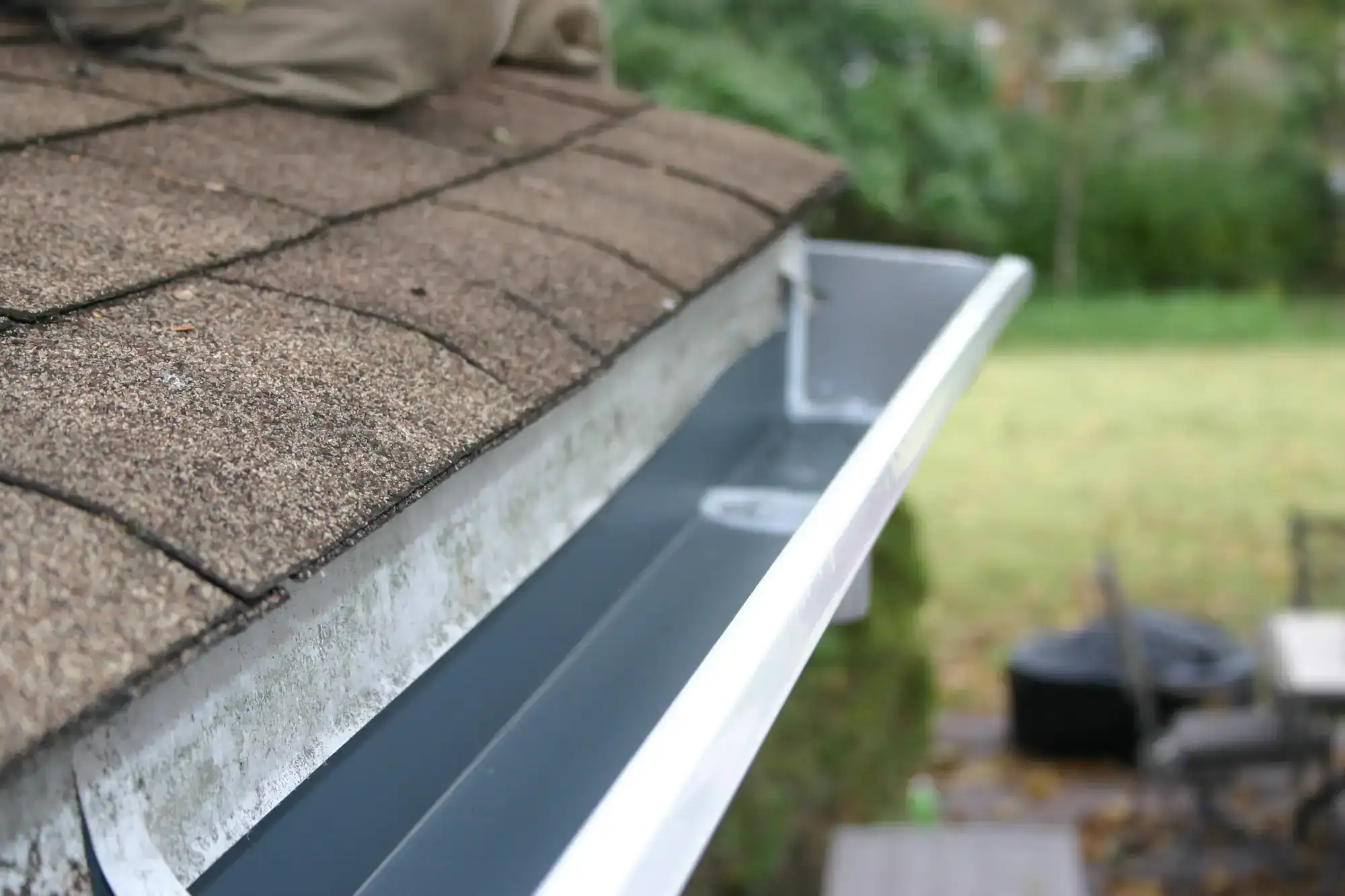
Granules in your gutters mean your shingles are deteriorating. Those colored granules protect the asphalt from UV damage. When they wash off, the shingles age faster. A little granule loss is normal, especially in the first year. A lot means your roof is wearing out.
Sagging areas indicate structural problems underneath. This could be rotted decking from long-term leaks, or it could be a framing issue. Either way, it needs immediate attention. Don’t wait on this one.
Daylight visible through the roof boards is never good. Neither is moisture or mold in the attic. These point to ventilation problems, leaks, or both. Long Island’s humidity makes proper attic ventilation critical—without it, moisture builds up and rots your roof from the inside.
Professional inspections catch what you can’t see from the ground. Twice a year—spring and fall—makes sense for most Long Island homes. The coastal environment accelerates wear, and catching problems early saves money. A $300 inspection that finds a $500 repair beats discovering a $10,000 water damage problem two years later.
Your roof is one of the biggest investments protecting your home. Understanding how modern roofing systems work, what materials can handle Long Island’s coastal climate, and when to repair versus replace helps you make decisions that make sense for your situation and your budget.
The key is catching problems early. Regular inspections, prompt repairs, and working with contractors who understand local challenges all extend your roof’s lifespan and prevent expensive damage down the road.
If you’re dealing with roof issues or just want an honest assessment of what’s overhead, we’ve spent over 20 years helping Long Island homeowners in Nassau and Suffolk County. No pressure, no runaround—just straight answers about what your roof actually needs.
Article details:
Share:
Continue learning: