
Hurricane Roof Requirements for Suffolk County, NY
Suffolk County's coastal exposure means your roof faces real hurricane risk. Here's what the code actually requires — and what most homeowners don't know until it's too late.
If you live in Suffolk County, you already know the feeling — a storm watch goes up, and the first thing you think about is whether your roof is going to hold. That’s not paranoia. It’s experience. Between Superstorm Sandy, Hurricane Irene, and the nor’easters that roll through every winter, Long Island homeowners have seen what happens when a roof isn’t built to handle what this coastline throws at it.
The problem is that most homeowners don’t actually know what the code requires — or whether their roof meets it. This page walks you through the real hurricane roof requirements that apply to Suffolk County properties, what materials actually perform in coastal conditions, and what questions to ask before you find out the hard way.
Wind Resistant Roofing Requirements for Suffolk County, NY
Suffolk County sits in a coastal wind zone that requires roofs to be designed for sustained winds of 110 to 130 mph, depending on how close your property is to the water. This isn’t a suggestion — it’s baked into the New York State Uniform Code, and it’s enforced by your town’s building department when a permit is pulled for a roof replacement.
What that wind rating actually means in practice is that every component of your roof system — not just the shingles — has to work together to resist uplift forces. The shingles, the deck attachment, the roof-to-wall connections, and the framing below all have to be rated and installed correctly. One weak link in that chain is all it takes.
Hurricane Straps Roofing: What They Are and Why Suffolk County Homes Need Them
Hurricane straps — sometimes called hurricane ties or roof-to-wall connectors — are metal fasteners that connect each roof rafter or truss directly to the wall framing below. Their job is to keep your roof from lifting off the structure during high winds. Without them, even a well-built roof can fail catastrophically because there’s nothing physically anchoring it down.
Here’s what catches a lot of Suffolk County homeowners off guard: hurricane straps are invisible from the outside. You can’t see them from the ground, and you can’t spot them during a standard walkthrough. They’re tucked inside the roof framing, connecting the structure from the inside. The only way to know for certain whether your home has them — and whether they’re installed correctly — is to have someone look inside the attic or pull the permit history on your last roof replacement.
This matters especially if your roof was replaced after Superstorm Sandy. A lot of that post-Sandy work was done fast, by a lot of different contractors, under enormous demand. Some of those jobs were permitted and inspected. Many weren’t. If your roof was replaced in 2012 or 2013 without a permit being pulled, there’s a real chance the hurricane strap requirement was skipped — not because your contractor was necessarily cutting corners, but because the permit process is what triggers the inspection that verifies it.
For homes in Babylon, Islip, Brookhaven, and the South Shore communities that took the hardest hits from Sandy’s storm surge, this is a particularly important question to answer before the next named storm forms in the Atlantic. And for properties on the East End — Southampton, East Hampton, Riverhead — where the real estate values are high and the exposure to open water is significant, a non-compliant roof isn’t just a safety risk. It’s a financial one.
When we inspect a roof in Suffolk County, one of the first things we look at is whether the existing strap connections are present and up to current code. It’s a quick check that can save a homeowner from a very expensive surprise.
What a Continuous Load Path Means for Your Long Island Home
The term “continuous load path” sounds technical, but the idea behind it is straightforward. When hurricane-force winds push against your home, the forces travel from the roof down through the walls and into the foundation. A continuous load path means every connection along that route — roof to wall, wall to floor, floor to foundation — is strong enough to transfer those forces without breaking.
Most older homes in Suffolk County weren’t built with this in mind. Homes constructed before the code updates that followed Sandy were often built to standards that assumed a certain level of wind exposure, but not the kind of sustained uplift forces that a Category 1 or Category 2 hurricane produces. The result is that a house can look perfectly solid and still have a structural vulnerability that only shows up when winds hit 90 mph.
What makes Suffolk County particularly complex is that the requirements aren’t uniform across the county. Each of the ten towns — Babylon, Brookhaven, East Hampton, Huntington, Islip, Riverhead, Shelter Island, Smithtown, Southampton, and Southold — has its own building department, its own permit process, and in some cases, its own local amendments to the state code. A roof replacement in Southampton may have different inspection requirements than the same job in Huntington. That’s not a reason to avoid the permit process — it’s a reason to work with a contractor who actually knows the difference.
There’s also the FEMA flood zone layer to consider. Properties in V zones along the Atlantic-facing shoreline and A zones around the bays have additional structural requirements on top of the standard wind code. If your property is in a designated flood zone and you’ve had your flood maps revised since Sandy — which many communities in Patchogue, Sayville, Mastic Beach, and Lindenhurst have — your roof-to-wall connection requirements may be more stringent than your neighbor’s one street over.
Getting this right isn’t just about passing an inspection. It’s about having a roof that actually performs when it needs to.
Coastal Roofing Requirements: Choosing Materials That Hold Up on Long Island
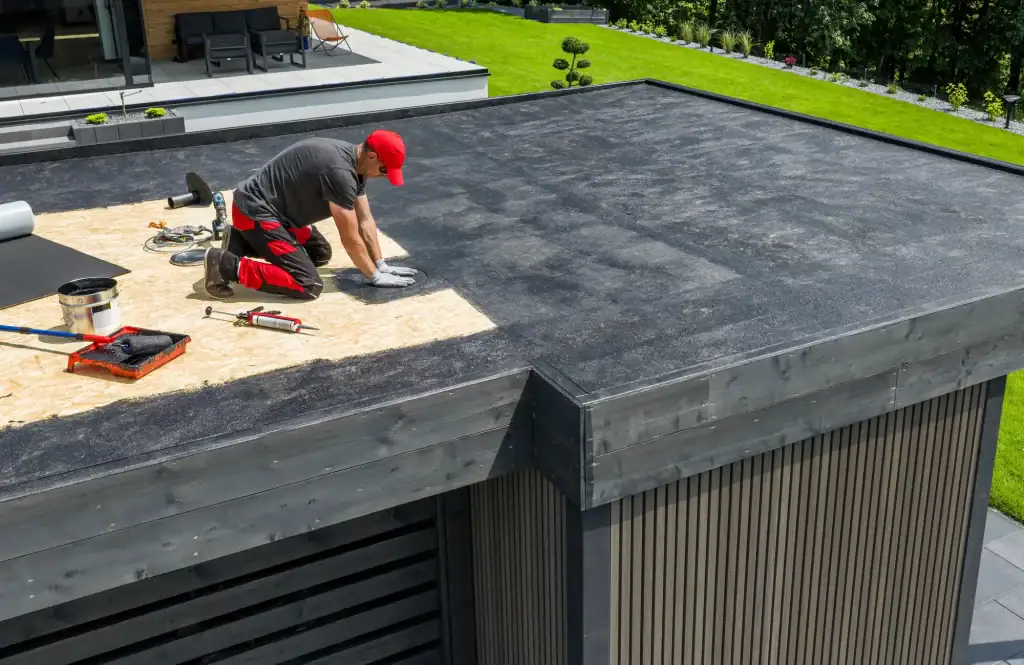
Wind ratings are only part of the equation for Suffolk County homeowners. The other factor that doesn’t get enough attention is what the coastal environment does to roofing materials over time. Salt air from the Long Island Sound and the Atlantic Ocean accelerates corrosion on metal components, degrades standard flashing faster than it should, and works on fasteners in ways that aren’t obvious until a storm pulls them loose.
Choosing materials that are rated for coastal exposure isn’t just about durability — it directly affects whether your roof stays compliant over its lifespan. A hurricane strap installed with standard hardware in a salt-air environment may not perform the same way five years later as it did the day it was installed.
Which Roofing Materials Actually Meet Hurricane Standards in Coastal Suffolk County
For most Suffolk County homeowners, the choice comes down to architectural asphalt shingles with a high wind rating or a metal roofing system. Both can meet code — but they perform differently, and the right answer depends on your property’s location, exposure, and budget.
High-quality architectural shingles from manufacturers like GAF are available with wind ratings up to 130 mph and are tested under the UL 2218 Class 4 standard for impact resistance. Products like GAF’s Timberline line use an adhesive sealing system that keeps shingles bonded under high-wind conditions. For most inland Suffolk County homes — Smithtown, Hauppauge, Commack, Centereach — a properly installed wind-rated shingle system with the right underlayment and ice and water shield meets code and provides solid protection.
For properties with more direct coastal exposure — beachfront communities in Southampton, oceanside neighborhoods in Islip, waterfront homes along the Sound in Huntington — standing seam metal roofing is worth a serious look. Metal systems can withstand sustained winds of 130 to 160 mph, they don’t absorb moisture, and when you use aluminum or coated steel, they resist the salt corrosion that eats through standard materials. The upfront cost is higher, but the lifespan and performance in a coastal environment often make the math work out in your favor.
Regardless of which material you choose, the underlayment and attachment schedule matter just as much as the surface product. New York code requires ice and water shield to extend at least two feet past the interior wall line in high-wind areas. Sheathing attachment — the nailing or screwing pattern that holds the roof deck to the framing — has to follow a specific schedule for wind-rated installations. These details are where a lot of roofing jobs fall short, even when the visible materials are high quality.
How Hurricane Roofing Compliance Affects Your Insurance in Suffolk County
This is the part of the conversation that gets homeowners’ attention fast. Insurance companies in coastal New York markets have been tightening their underwriting standards steadily since Sandy. What that means practically is that some insurers are now asking for documentation of your roof’s wind rating, its age, and whether it meets current code before they’ll renew your policy — or before they’ll pay a full claim after storm damage.
A roof that was replaced without a permit, or one that doesn’t meet current wind-resistance standards, can create real problems at claim time. Not necessarily an outright denial, but potentially a reduced payout based on the argument that the roof wasn’t up to code when the damage occurred. That’s a conversation nobody wants to have after a storm has already torn through their neighborhood.
On the other side of that equation, a documented, compliant, wind-rated roof can work in your favor. Some insurers offer premium reductions for homes that meet or exceed current hurricane resistance standards — particularly for properties in designated wind zones or FEMA flood areas. The savings vary, but homeowners in high-risk coastal communities in Suffolk County have seen meaningful reductions when they can show their roof was installed to current code with a permit and inspection on record.
The documentation piece is important. When a permit is pulled for a roof replacement in Suffolk County, the town building department schedules an inspection. When the inspector signs off, there’s an official record that the work met code at the time of installation. That record lives in the town’s system and can be referenced if an insurer ever questions the roof’s compliance. It’s one of the reasons we pull permits on every job — not just because it’s required, but because that paper trail protects you long after we’re done.
If you’re not sure whether your current roof has a permit on record, you can check with your town’s building department directly. It’s a free call, and the answer can tell you a lot about what you’re working with.
Suffolk County Roofing Compliance: What to Do Before the Next Storm Season
Hurricane season runs June through November, with the most active stretch falling between August and October. That gives Suffolk County homeowners a window every spring to get ahead of it — and most years, that window closes faster than expected once the first named storm forms.
If you’re not sure whether your roof has hurricane straps, whether your materials meet the current wind rating requirements for your town, or whether the work done after Sandy was ever properly permitted and inspected, those are worth finding out now. Not because the answer is necessarily bad, but because knowing either way gives you options. A compliant roof is one less thing to worry about when a storm watch goes up.
We’ve been working on roofs across Suffolk County for over 22 years, from Babylon and Islip to Brookhaven and the East End. We know the permit landscape in each of the county’s ten towns, we know what the building departments are looking for, and we know what Long Island’s coastal conditions do to roofing systems over time. If you have questions about your home’s hurricane readiness, we’re a straightforward call or message away.
—
**Frequently Asked Questions**
**Are hurricane straps required on existing homes in Suffolk County when I replace my roof?** Yes. When you replace a roof in Suffolk County, the replacement triggers current code requirements — including hurricane strap installation in applicable wind zones. This is enforced through the permit and inspection process. If a contractor tells you hurricane straps aren’t necessary for a replacement job, that’s worth getting a second opinion on. Many Suffolk County towns, particularly those in coastal wind zones or FEMA flood areas, have specific requirements that go beyond the state baseline. Your local building department can confirm exactly what applies to your property based on your town and flood zone designation.
**How do I know if my roof actually has hurricane straps?** You can’t see them from outside the home. Hurricane straps are installed inside the roof framing, connecting the rafters or trusses to the wall plate. The most reliable way to check is to look from inside the attic — you should be able to see metal connectors at each rafter-to-wall connection point. If you’re not comfortable doing that yourself, we can check during an inspection. You can also pull the permit history on your last roof replacement through your town’s building department. If no permit was ever pulled, there’s no guarantee the strap requirement was met, regardless of when the work was done.
**Does a hurricane-rated roof lower my homeowners insurance premium in New York?** It can. Insurers in Suffolk County’s coastal markets have become increasingly focused on wind resistance standards when setting premiums and processing claims. A documented, compliant roof — one that was permitted, inspected, and meets current wind rating requirements — gives your insurer confidence that the structure meets current standards. Some carriers offer premium reductions for homes in Suffolk County’s designated wind zones that can demonstrate code-compliant roofing. The specifics depend on your carrier and your property’s location, so it’s worth asking your insurance agent directly once your roof work is complete and you have the permit documentation in hand.
**What’s the difference between wind-rated shingles and a hurricane-resistant roof system?** Wind-rated shingles are one component of a hurricane-resistant system — but they’re not the whole picture. A fully compliant system also includes the right underlayment and ice and water shield installation, the correct sheathing attachment schedule, hurricane straps at every rafter-to-wall connection, and a continuous load path from the roof through the walls to the foundation. You can install 130 mph-rated shingles on a roof that still fails in a hurricane if the framing connections underneath aren’t up to code. The materials matter, but so does everything behind them.
Article details:
- Published by:
- Roofing & Chimney Contractor Long Island, NY
- Published to:
- Last modified: October 27, 2026
- October 27, 2026
Share:
Continue learning: