
Choosing Qualified Roofing Repair Contractors in Suffolk County
Finding a reliable roofing contractor in Suffolk County takes more than a Google search. Here's what actually separates the good ones from the rest.

Finding a qualified roofing repair contractor in Suffolk County, NY shouldn’t feel like a gamble — but for a lot of homeowners, it does. You’ve got a leak, or missing shingles after a nor’easter, or a stain spreading across your ceiling, and suddenly you’re fielding calls from contractors you’ve never heard of, comparing quotes that don’t match up, and trying to figure out who’s actually legitimate. It’s a frustrating position to be in. This page is here to help you cut through it. We’ll walk you through what to look for, what to ask, and what the cost conversation actually looks like in this market.
What to Look for When Hiring Roofing Repair Contractors in Suffolk County
Suffolk County has its own licensing requirements that most homeowners don’t know about until something goes wrong. New York State doesn’t issue a statewide roofing license — that responsibility falls to each county. In Suffolk County, any contractor doing home improvement work is required to hold a Home Improvement Contractor (HIC) license issued through the Suffolk County Department of Labor, Licensing & Consumer Affairs. We carry this license, along with a $5,000 surety bond, general liability insurance, and workers’ compensation coverage.
That last part matters more than people realize. If a contractor doesn’t carry workers’ comp and someone gets hurt on your roof, you could be held liable. Before you agree to anything, ask for our HIC license number and verify it through Suffolk County’s public contractor database. A legitimate contractor won’t hesitate to hand that over.
Beyond the paperwork, look at how long we’ve been operating locally. We’ve been working in Huntington, Smithtown, Babylon, and the surrounding communities for over 22 years, which means we’ve seen what Long Island’s climate actually does to roofs — the ice dams, the salt air corrosion, the wind-driven rain that finds every weak point in a flashing seal. That experience isn’t interchangeable with a company that just set up shop after the last big storm.
How to Spot a Roofing Scam Before It Costs You
After any significant storm on Long Island — a nor’easter in November, a tropical storm in August, a heavy snow event that dumps a foot on Ronkonkoma overnight — the door-knockers show up. They’ve spotted damage from the street. They’re offering free inspections. They want a deposit before they’ll schedule the work. These are the contractors the Better Business Bureau fields hundreds of complaints about every year, and Suffolk County homeowners are a frequent target.
The pattern is consistent enough that it has a name: storm chasers. They move into an area after a weather event, collect deposits from homeowners who are stressed and in a hurry, and disappear before the work is done — or do shoddy work that fails before the next season. The “deposit and dash” is a real, documented problem in this market.
Here’s what separates a legitimate contractor from one you should walk away from. A reputable roofing repair contractor provides a written, itemized estimate before any work begins — not a verbal quote over the phone, and not a number scribbled on a business card. We pull the required permits for structural work. We don’t pressure you to sign the same day. And we have a verifiable physical address, not just a phone number and a logo on a truck.
The urgency you feel after a storm is real, and we understand that. But we also know that cutting corners on the paperwork creates problems for you down the road — legally, financially, and structurally. If a contractor makes you feel like slowing down to verify their credentials is wasting time, that’s the clearest signal you’ll get to keep looking.
One more thing worth knowing: a contractor licensed in Suffolk County is not automatically authorized to work in Nassau County, and vice versa. If you’re near the county line or have a property in both areas, ask specifically about coverage. It’s a small detail that matters more than most homeowners expect.
Why a Multi-Service Roofing Contractor Often Gets to the Root of the Problem Faster
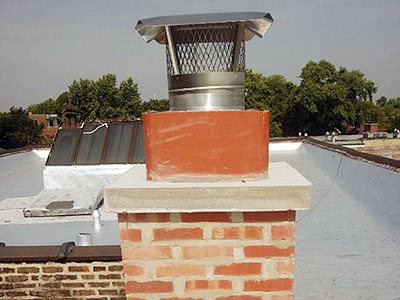
Roof leaks are rarely just a roof problem. A significant number of the calls we get start with “I have a leak” and end up tracing back to deteriorated chimney flashing, a failed skylight seal, a gutter that’s been pulling away from the fascia for two seasons, or siding that’s letting water migrate behind the wall. If your contractor only does roofing, they’ll fix what they can see on the roof — and you may be back in the same situation after the next heavy rain.
This is one of the practical advantages of working with us. We handle roofing, chimney, siding, and gutters under one roof. We can diagnose the full exterior system in a single visit, identify where the water is actually entering, and address it completely rather than treating the symptom. One estimate, one crew, one warranty covering the scope of work. For a homeowner in West Islip or Kings Park who’s already taken time off work to be home for the inspection, that matters.
It also matters for older homes. A substantial portion of Suffolk County’s housing stock was built during the post-WWII suburban expansion of the 1950s through 1970s. These are well-built homes, but they’re aging — and when one exterior component starts to fail, others often aren’t far behind. A contractor who can evaluate the whole picture gives you a more honest assessment of where you actually stand, rather than a narrowly scoped estimate that misses the next problem waiting to surface.
We use drone video technology for our roof inspections, which means we can document what we find and show it to you directly. You see exactly what we see — no guesswork, no “trust me, it’s bad up there.” That transparency is something we think every homeowner deserves, and it’s not something you’ll find from every contractor working in this market.

Roof Repair Cost in Suffolk County: What the Numbers Actually Look Like
Cost is almost always the first question, and it’s a fair one. Roof repair costs in Suffolk County typically range from $400 on the low end for minor work — replacing a handful of shingles, sealing a small penetration — up to $4,000 or more for significant damage involving structural issues or extensive water infiltration. Most homeowners land somewhere between $1,150 and $1,400 for a mid-range repair, though that figure moves depending on materials, scope, and timing.
One thing worth understanding: repair costs in Suffolk County run about 15 to 25 percent above national averages. Higher local labor costs are part of it, but the bigger factor is the climate. Roofs here work harder than they do in most of the country, and the repairs reflect that.
What Drives Roof Repair Costs Up — and What Keeps Them Down
Material type is the single biggest variable in what a repair will cost. Asphalt shingle repairs run approximately $4.50 per square foot, which is why they remain the most common roofing material in Suffolk County despite the coastal conditions. Metal roofing repairs land between $8 and $12 per square foot. Slate and tile repairs — which require genuinely specialized labor — can exceed $15 per square foot, and finding a contractor with real experience in slate is harder than most homeowners expect.
The extent of the damage is the other major driver. A repair that’s caught early, before water has had time to migrate into the decking or the attic structure, is almost always significantly less expensive than the same repair addressed after a Suffolk County winter has had its way with it. A small vulnerability in October can become a major water damage situation by March. The freeze-thaw cycles here are relentless — moisture seeps into microscopic cracks in shingles, freezes, expands, and widens those fractures a little more with each cycle. Twenty-seven inches of average annual snowfall gives that process a lot of opportunities to do damage.
Timing affects cost in another way, too. Emergency roofing services during a severe weather event — when demand spikes and conditions make the work more dangerous — typically run two to three times the normal rate. That’s not contractors taking advantage of a bad situation; it’s the real economics of mobilizing a crew in dangerous conditions during a period of extremely high demand. It’s one of the reasons we always recommend getting an inspection done in late spring, after winter damage has had time to reveal itself and before hurricane season adds urgency to the calendar. A planned repair is almost always cheaper than an emergency one.
For homeowners trying to get a fair sense of what their specific repair should cost, the most useful thing you can do is get two or three written estimates from licensed contractors. Not verbal quotes — written, itemized estimates that break down labor and materials separately. If one estimate is dramatically lower than the others, that’s worth asking about. It may reflect inferior materials, unlicensed labor, or skipped permits. Any of those creates a problem for you, not just for the contractor.
Emergency Roof Repair and Urgent Roof Repairs: What Suffolk County Homeowners Should Know
There’s a difference between urgent roof repairs and a true roofing emergency, though both require fast action. An urgent repair is a situation where you have visible damage — missing shingles, a compromised flashing seal, a section of soffit that’s pulled away — and you need it addressed before the next storm hits. An emergency is active: water coming through the ceiling right now, structural damage from a fallen tree, a situation where waiting even a day means significantly more damage.
Suffolk County’s storm exposure makes both scenarios common. Since 1930, the county has been hit by 45 hurricanes, and that doesn’t count the nor’easters that roll through from September through April and test every seal and fastener on a roof. When those storms hit, the demand for roofing contractors spikes immediately — and that’s precisely when having an established relationship with a local contractor matters most.
We run a fleet of 10 trucks, which is part of how we’re able to offer genuine 24/7/365 emergency response rather than just advertising it. When a storm moves through Medford or Dix Hills at 2 in the morning and takes shingles with it, we have the capacity to respond. That’s not something every contractor in this market can say honestly.
If you’re in an active emergency situation while waiting for a contractor to arrive, there are a few things you can do to limit additional damage. Move valuables and furniture away from the affected area. If you have access to a heavy-duty tarp and can safely secure it over the damaged section from the outside, do so. Document everything with photos before any work begins — both for your own records and for any insurance claim you may need to file. And call your insurance company to report the damage as soon as it’s safe to do so, because most policies have notification requirements that affect your claim.
For non-emergency urgent repairs, don’t let the word “urgent” push you into skipping the verification steps. Even when you’re in a hurry, a five-minute check of a contractor’s HIC license number through the Suffolk County database is worth doing. The contractors who will still be around next year — the ones with 20-plus years of reviews and a physical address you can verify — are the ones worth the small amount of extra time it takes to confirm their credentials.
Finding Roofing Repair Contractors in Suffolk County You Can Actually Trust
The roofing contractor you hire matters — not just for this repair, but for every storm season that follows it. A job done right protects your home, your warranty coverage, and your ability to make a clean insurance claim if something goes wrong down the road. A job done wrong, by someone who wasn’t licensed, bonded, or insured, leaves all of that exposure on you.
Suffolk County’s climate is genuinely demanding. The salt air, the nor’easters, the freeze-thaw cycles, the hurricane season that runs longer than most people think — your roof earns its wear here faster than it would almost anywhere else in the country. That’s an argument for quality work from contractors who know this specific market, not the lowest number on a quote from someone you can’t verify.
If you’re ready to talk through what you’re seeing on your roof — or you want a second opinion on an estimate you’ve already received — we’ve been doing this work on Long Island for over 22 years. Give us a call. We’ll tell you honestly what we find.

Article details:
- Published by:
- Roofing & Chimney Contractor Long Island, NY
- Published to:
- Last modified: August 4, 2026
- September 15, 2026
Share:
Continue learning: