
Your chimney faces unique challenges from Long Island's coastal climate. This checklist helps you spot problems early and avoid expensive emergency repairs.
Long Island isn’t kind to chimneys. The same coastal location that makes summer weekends perfect creates year-round challenges for your home’s masonry.
Salt air doesn’t just corrode your car. It penetrates brick and mortar, breaking down the materials from the inside out. Coastal humidity averages over 70%, which means your chimney’s constantly dealing with moisture it was never designed to handle inland.
Then winter hits. Water seeps into tiny cracks and pores. When temperatures drop, that water freezes and expands by about 9%. The pressure cracks the masonry wider. Spring thaw lets more water in. Next winter, the cycle repeats—worse each time. What starts as hairline cracks becomes spalling bricks and crumbling mortar joints within a few seasons.
Water is your chimney’s worst enemy, and Long Island gives it plenty of opportunities to attack. When moisture penetrates your chimney’s exterior, it doesn’t just sit there. It travels.
First, it soaks into the porous masonry. Brick and mortar act like sponges, pulling water deeper into the structure. In summer, this might just cause some surface staining—that white, chalky residue called efflorescence that signals moisture problems.
But in winter, everything changes. That trapped moisture freezes solid. Ice takes up more space than water, creating tremendous internal pressure. The masonry cracks from the inside. When spring arrives and the ice melts, you’re left with bigger cracks that let in even more water.
The damage spreads fast. Deteriorating mortar joints lose their grip on the bricks. Individual bricks start to loosen or spall—where the face of the brick literally flakes off. Water finds its way through the chimney crown, past damaged flashing, and eventually into your attic, walls, and ceilings. By the time you see water stains inside your home, the problem’s been developing for months or years.
Your chimney liner—the protective barrier inside the flue—suffers too. Clay tile liners crack under the pressure. Metal liners corrode from constant moisture exposure. When the liner fails, you’re looking at carbon monoxide risks and potential chimney fires, not just water damage.
This is why catching water intrusion early matters so much. A $300 flashing repair beats a $3,000 emergency reconstruction every single time. And in Long Island’s climate, “early” means before the next winter freeze.
Living near the coast means your chimney battles conditions that inland properties never face. Salt-laden air doesn’t just blow past your house. It settles into every porous surface, including your chimney’s masonry.
Salt crystals are hygroscopic—they pull moisture from the air. Once salt penetrates your brickwork, it creates a constant wet environment inside the masonry, even when it’s not raining. This moisture accelerates every form of deterioration your chimney can experience.
The salt itself is corrosive. It attacks the calcium compounds in mortar, slowly dissolving the material that holds your chimney together. Mortar joints that might last 30-40 years inland can fail in 15-20 years in coastal areas. You’ll notice the joints becoming soft, crumbly, or simply disappearing—leaving gaps between bricks that let in even more moisture and salt.
Metal components suffer worse. Chimney caps, flashing, and dampers made from standard galvanized steel corrode rapidly in salt air. Rust develops within a few years instead of decades. Once rust starts, it spreads quickly, weakening the metal until it fails completely.
The combination of salt and freeze-thaw cycles creates what engineers call “accelerated weathering.” Your chimney ages faster than the calendar suggests. A 15-year-old chimney in coastal Long Island might show damage patterns typical of a 30-year-old chimney elsewhere.
This is why material selection matters so much for Long Island chimney repairs. Standard products fail prematurely. You need stainless steel caps that resist corrosion. Mortar mixes formulated for coastal exposure. Waterproofing treatments designed to handle salt-laden moisture. The right materials aren’t just better—they’re the difference between repairs that last five years and repairs that last twenty.
We’ve spent over 20 years serving Nassau and Suffolk Counties, and we’ve seen what works and what fails in our specific climate. That local knowledge is worth paying for when you’re making decisions about repairs that need to survive another decade of coastal weather.
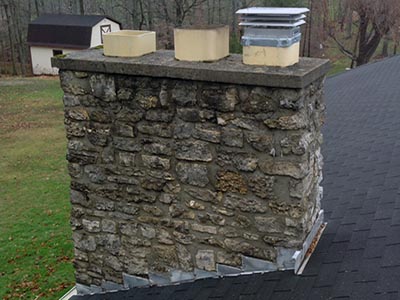
You don’t need to climb on your roof to spot chimney problems. Many warning signs are visible from the ground or inside your home. Knowing what to check—and when to call a professional—keeps small issues from becoming expensive emergencies.
Start with what you can see from your yard. Use binoculars to examine your chimney’s exterior. Look for cracks in the bricks, especially horizontal or stair-step patterns. Check the mortar joints between bricks—are there gaps, crumbling sections, or areas where the mortar’s receded? Both signal that water’s getting in.
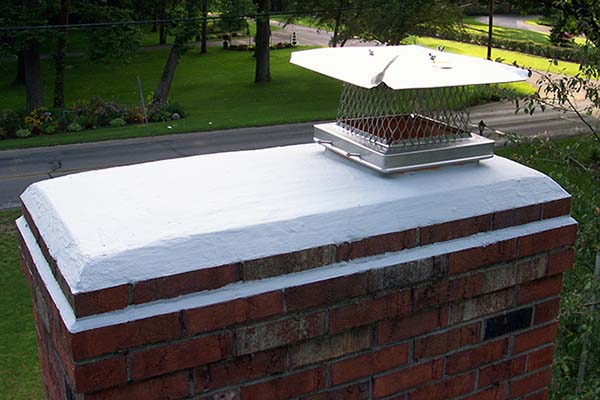
The chimney crown—that concrete slab at the top—should be smooth and intact. Cracks here let water pour straight down into your chimney structure. Your chimney cap should be present, undamaged, and securely attached. Missing or damaged caps mean rain’s been entering your chimney directly, and animals might be nesting inside.
Inside your home, your chimney tells you when something’s wrong. You just need to know what you’re looking at.
Check the walls and ceiling near your fireplace. Water stains, discoloration, or peeling paint mean moisture’s escaping from your chimney into your living space. Don’t ignore these even if they’re small. Water damage spreads quickly once it starts, and it’s expensive to repair.
Look inside your firebox—the area where you actually build fires. Rust on the damper or firebox walls indicates water’s getting in from above. You might see pieces of tile or debris that have fallen from your chimney liner. This is serious. A damaged liner can’t safely contain heat and gases, creating fire and carbon monoxide risks.
Pay attention to smells. A musty odor from your fireplace when it’s not in use suggests moisture and possibly mold growth inside the chimney. A strong, smoky smell even when you haven’t had a fire recently might indicate creosote buildup that needs professional cleaning.
When you do use your fireplace, watch how it performs. Smoke should draft up and out smoothly. If smoke backs into your room, something’s blocking proper airflow—could be creosote buildup, a closed damper, animal nests, or structural problems affecting the chimney’s draft. This isn’t just annoying. Poor draft means carbon monoxide and other dangerous gases might not be venting properly.
Check your attic if you can access it safely. Look at the chimney where it passes through. Any signs of moisture, water stains on the wood framing, or daylight visible through cracks in the masonry all indicate problems that need immediate attention.
White, chalky deposits on your chimney’s exterior—inside or out—are efflorescence. They form when water moves through masonry and deposits mineral salts on the surface. It’s not just cosmetic. It’s proof that water’s penetrating your chimney structure, and that means freeze-thaw damage is coming if it hasn’t started already.
These interior signs often appear after exterior damage has been developing for months or years. That’s why professional inspections matter. A trained eye catches problems you can’t see—cracks inside the flue, deteriorating liner sections, hidden water damage, and structural issues that haven’t yet caused visible symptoms inside your home.
Some chimney problems need immediate professional attention. Others can wait for your annual inspection. Knowing the difference protects your family and your budget.
Call us right away if you notice any of these issues: smoke entering your home during fireplace use, water actively leaking into your house near the chimney, visible structural damage like a leaning or tilting chimney, large cracks in the chimney structure, or if you detect carbon monoxide in your home. These situations create immediate safety risks that can’t wait.
Also call promptly—within days, not months—if you see significant mortar deterioration, missing or damaged chimney caps, rust on your damper or firebox, pieces of tile or debris falling from inside your chimney, or signs of animal infestation. These problems worsen quickly and lead to more expensive repairs the longer you wait.
Some issues can wait for your next scheduled inspection, though you should still document them and monitor for changes. Minor efflorescence that’s not spreading, small cosmetic cracks in exterior bricks (not in mortar joints), slight discoloration that’s not getting worse, or performance issues that only happen in specific weather conditions can typically be addressed during your annual maintenance visit.
Here’s what makes the timing decision easier: the National Fire Protection Association recommends annual chimney inspections for all homeowners, regardless of how often you use your fireplace. Schedule this inspection in late spring or summer—before the fall rush when every chimney specialist is booked solid and before you need your fireplace for winter heating.
During that annual inspection, we check everything you can’t easily see. We examine the chimney liner with specialized cameras, test the structural integrity of mortar joints, assess the condition of internal components, measure draft performance, and identify developing problems before they become emergencies.
This preventative approach saves money. A routine inspection costs $100-$300. The repairs it identifies might run $500-$1,500 if caught early. Wait until those same problems cause water damage, structural failure, or safety hazards, and you’re looking at $3,000-$10,000 in emergency repairs or even full chimney replacement.
Long Island’s coastal climate makes this timing even more critical. The damage that might develop slowly over five years inland can happen in two years here. Salt air and freeze-thaw cycles don’t give you the same margin for error. What seems like a minor issue in spring can become a major problem by winter.
If you’re unsure whether your situation needs immediate attention or can wait, call and describe what you’re seeing. We’ll give you honest guidance about urgency. We’d rather schedule you appropriately than create unnecessary emergency calls—and we definitely don’t want you waiting on a real safety issue.
Your chimney isn’t just a functional component. It’s part of your home’s structural system, and in Long Island’s challenging climate, it needs attention to perform safely year after year.
The checklist approach works because it turns a complex system into manageable inspection points. You know what to look for. You understand which problems need immediate action and which can wait. You’re not guessing about whether that crack matters or if that stain means trouble.
Most importantly, you’re catching problems while they’re still fixable. Water damage, structural deterioration, and safety hazards don’t appear overnight. They develop gradually, giving you opportunities to intervene before minor repairs become major reconstruction projects.
Regular professional inspections, prompt attention to warning signs, and repairs done right with materials designed for coastal conditions—that’s how you protect your investment and keep your family safe. When your chimney needs expert care in Nassau or Suffolk County, we bring the experience and local knowledge that comes from helping homeowners maintain safe, functional chimneys that stand up to everything our coastal weather throws at them.
Article details:
Share:
Continue learning: