Finding the right roof contractor isn't about the cheapest bid. It's about building a relationship that protects your Long Island home for decades, not just until the next storm.
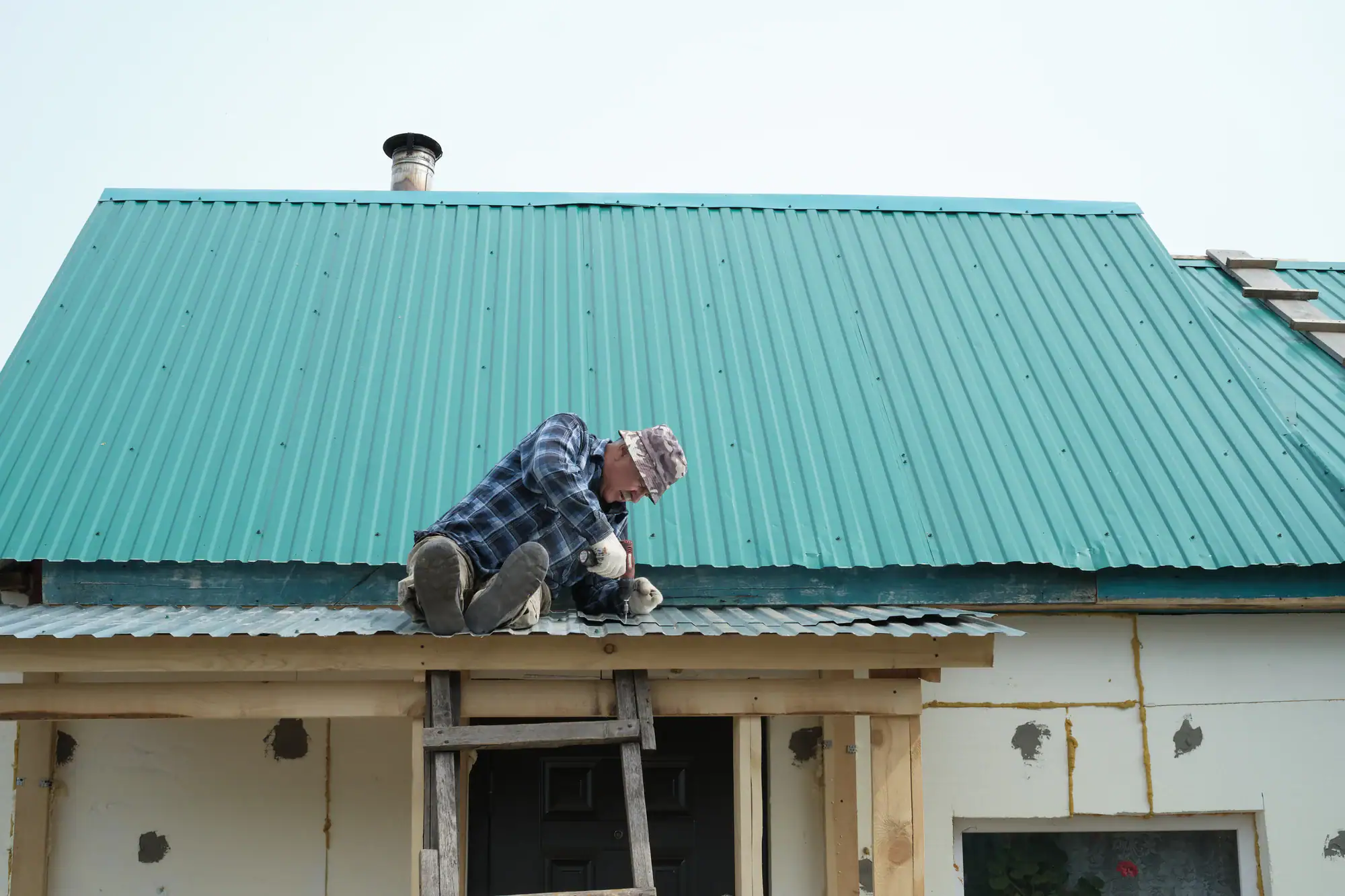
Let’s be honest. Most people hire a roofer the same way they’d hire someone to mow the lawn: get three quotes, pick the cheapest, hope for the best.
That approach might work for your landscaping. It doesn’t work for your roof. Not on Long Island, where weather conditions can expose shoddy workmanship within months, and not when you’re making a decision that affects your home for the next two to three decades.
The lowest bid often comes from contractors who cut corners on materials, skip proper flashing installation, or use crews with minimal training. Worse, it might come from storm chasers—out-of-state operators who flood Long Island after a nor’easter, collect deposits, do quick work, and disappear before you realize the job was done wrong. When you call six months later because your ceiling is leaking, that phone number doesn’t work anymore.
Price matters. But it’s not the only thing that matters. The real question isn’t “who’s cheapest?” It’s “who will still be here in five years when I need them?”
Here’s what the one-and-done approach to roofing looks like in practice.
You get a new roof installed. The contractor finishes, you pay, and that’s it. No follow-up inspection. No maintenance plan. No relationship. Everything seems fine—until it isn’t.
Three years later, you notice a small water stain on your bedroom ceiling. You call a different roofer because you’ve lost the original contractor’s information or they’ve gone out of business. This new contractor has no idea what materials were used, how the roof was installed, or where potential weak points might be. They’re starting from scratch, which means more time diagnosing the problem and potentially higher costs because they don’t know your roof’s history.
Meanwhile, that small leak you noticed? It’s been active for months. Water has been seeping into your insulation, rotting the roof decking, and creating conditions for mold growth. What could have been a $300 flashing repair caught early is now a $3,000 problem involving structural work, insulation replacement, and interior repairs.
This scenario plays out across Long Island constantly. Homeowners think they’re saving money by going with the lowest bidder and treating roof work as a one-time expense. Instead, they end up spending more over the roof’s lifetime because there’s no continuity of care, no one watching for early warning signs, and no contractor invested in making sure that roof performs well for decades.
A roof isn’t like replacing a water heater. It’s a complex system with multiple components—shingles, underlayment, flashing, ventilation, gutters—that all need to work together. When one contractor installs it, another one patches it two years later, and a third one handles a repair after that, you lose the benefit of someone who actually knows your roof inside and out.
The transactional approach also means you’re constantly vetting new contractors, checking credentials, reading reviews, and hoping you’re making the right choice under pressure when a leak appears. That’s stressful. And it’s unnecessary if you establish a relationship with a trusted local roof contractor from the start.
Let’s talk numbers, because this is where the “cheapest bid” strategy really falls apart.
Say you get three quotes for a roof replacement on your Long Island home. Contractor A quotes $18,000. Contractor B quotes $15,000. Contractor C quotes $11,000. If you’re only looking at the bottom line, Contractor C looks like the obvious winner. You’re saving $7,000 compared to Contractor A.
But here’s what that $7,000 “savings” often buys you. Contractor C is using lower-grade shingles that won’t hold up as well in coastal conditions. They’re skipping the ice and water shield that Long Island building codes recommend for the first three feet of your roof’s eave. They’re not properly sealing the flashing around your chimney because that takes time and they’ve priced the job too low to do it right.
Fast forward five years. Contractor A’s roof is still performing perfectly. Contractor C’s roof is showing premature wear—curling shingles, failed flashing, water infiltration. You’re facing repairs that cost $4,000. Then another $3,000 two years later. By year ten, you’ve spent more than if you’d hired Contractor A in the first place, and your roof still has problems.
The cheaper contractor also might not carry proper insurance. If a worker gets injured on your property and that contractor doesn’t have workers’ compensation coverage, guess who could be liable? You. That’s a risk that can cost you tens of thousands of dollars—or more.
There’s also the warranty issue. Reputable roofing companies stand behind their work with strong workmanship warranties, often five to ten years or even lifetime coverage. Budget contractors might offer a one-year warranty or none at all. When they go out of business—which happens frequently with low-bid operators—that warranty becomes worthless anyway.
The point isn’t that you should automatically hire the most expensive contractor. It’s that price alone doesn’t tell you anything about value. A roof that costs $15,000 and lasts 25 years with minimal repairs is a better investment than a roof that costs $11,000 and needs major work after 12 years. You’re not just buying shingles and labor. You’re buying expertise, quality materials, proper installation, warranty protection, and peace of mind.
Long Island homeowners who understand this don’t ask “who’s cheapest?” They ask “who offers the best value over the long term?” That’s a very different question, and it leads to very different answers.
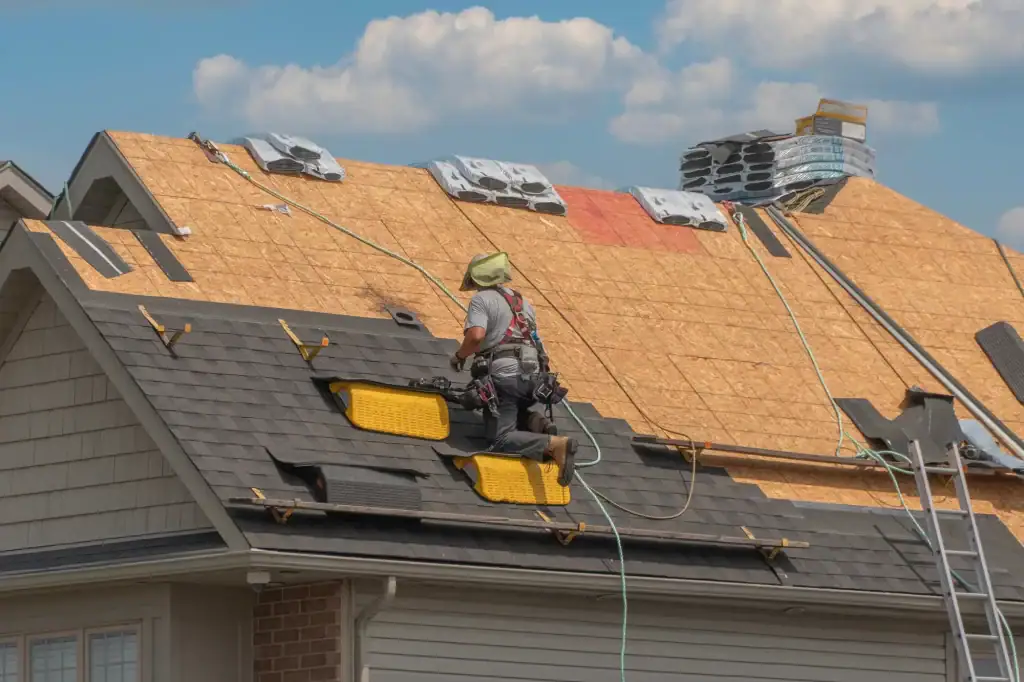
So what does it mean to have a real relationship with a roof contractor instead of just a transactional arrangement?
It means your roofer knows your roof’s history. We’ve either installed it, or we’ve inspected it multiple times and documented its condition. We know which areas are more vulnerable based on your home’s orientation, tree coverage, and exposure to wind. We’ve seen how it performs through different seasons and weather events.
When you call with a concern, we don’t need to schedule a diagnostic visit to figure out what materials you have or how the roof was constructed. We already know. That saves time and often catches problems faster because we can spot changes from baseline conditions.
It also means you’re not constantly searching for a contractor every time you need service. You have someone you trust, someone whose work you’ve seen, someone who has a track record with your specific property. That eliminates a huge source of stress and uncertainty.
A long-term relationship with a quality roofing company isn’t just about convenience. It’s about cost savings that add up significantly over your roof’s lifespan.
Start with preventive maintenance. A contractor who knows your roof can spot early warning signs during routine inspections—a small area of damaged flashing, a few loose shingles, minor granule loss in a specific section. Caught early, these issues cost a few hundred dollars to fix. Ignored until they cause leaks, they can cost thousands once you factor in interior damage, insulation replacement, and structural repairs.
Then there’s the efficiency factor. When your regular roofer comes out for a repair, we’re not starting from zero. We know your roof’s layout, we have records of previous work, and we can diagnose problems faster. That means less time spent on your property and lower labor costs for you. It also means repairs are done right the first time because we understand how everything fits together.
There’s also the relationship pricing advantage. Contractors who value long-term clients often provide better pricing for repeat customers compared to one-time jobs. We’re not trying to maximize profit on a single transaction. We’re thinking about the total value of your business over years or even decades. That can translate into discounts on maintenance services, priority scheduling during busy seasons, and more favorable terms on major work.
Insurance claims are another area where an established relationship pays off. When storm damage occurs and you need to file a claim, having a contractor who knows your roof’s pre-storm condition and can provide detailed documentation makes the claims process smoother. We can advocate for you with the insurance company based on our professional assessment and history with your property.
The biggest savings, though, comes from roof longevity. A roof that’s properly maintained by someone who understands its specific vulnerabilities will last significantly longer than one that’s neglected or serviced inconsistently by different contractors. We’re talking about the difference between a roof lasting 18 years versus 25 years. That’s seven extra years before you need to spend $15,000 to $20,000 on a full replacement. The math is pretty simple.
Not every roofing company is set up to be a long-term partner. Some are project-focused, others are storm chasers, and some simply don’t have the staying power to be there when you need them years down the road.
Here’s what to look for when you’re evaluating a roof contractor for a long-term relationship.
First, local presence and longevity. You want a company that’s been serving Long Island for years, ideally decades. That track record tells you we’re not fly-by-night operators. We have a reputation to protect in the community. We’ve weathered economic ups and downs and are still standing. When you call us in five years, we’ll still be in business. Look for a permanent local address, not a P.O. box. Check how long we’ve been operating under the same business name.
Second, proper licensing and insurance. This isn’t negotiable. A legitimate roofing contractor should be licensed by New York State, carry general liability insurance, and have workers’ compensation coverage. Ask to see proof of insurance and verify that it’s current. This protects you from liability and ensures you’re working with a professional operation that meets legal requirements.
Third, comprehensive services. A roofing company that also handles chimney work, gutters, siding, and related services is often a better long-term partner than a specialist who only does shingle replacement. Why? Because roof problems are often connected to other systems. Chimney flashing issues, gutter failures, and ventilation problems all impact your roof’s performance. A contractor who can address all these areas gives you one point of contact for your home’s entire exterior envelope.
Fourth, warranty commitment. Pay attention to both manufacturer warranties on materials and workmanship warranties from the contractor. A company that offers strong workmanship warranties—five years minimum, ideally ten years or lifetime—is confident in their work and committed to standing behind it. Make sure you understand what’s covered and what isn’t. Get warranty terms in writing.
Fifth, emergency availability. Long Island weather doesn’t respect business hours. Nor’easters hit on weekends. Ice dams form overnight. You need a roofing company that offers 24/7 emergency service, not one that’s only available Monday through Friday, 9 to 5. Ask about our emergency response process and typical response times.
Sixth, communication and responsiveness. This might seem soft compared to technical qualifications, but it matters enormously over a long-term relationship. Does the contractor return calls promptly? Do we explain things clearly? Are we willing to answer questions without making you feel like you’re wasting our time? The contractor who’s great at communication during the sales process but disappears after the job is done isn’t someone you want to rely on for years.
Finally, references and reputation. Don’t just check online reviews—though those matter too. Ask for references from customers we’ve worked with for multiple years. Talk to homeowners who’ve used us for both installation and ongoing maintenance. That gives you insight into what the long-term relationship actually looks like, not just how we handle a single project.
Your roof is too important and too expensive to treat like a commodity. It’s not about finding the cheapest option or the fastest fix. It’s about finding a roofing contractor who will be there for the entire lifespan of your roof—someone who knows your home, understands Long Island’s unique weather challenges, and is committed to making sure your investment performs the way it should for 20, 25, even 30 years.
That kind of relationship doesn’t happen by accident. It starts with choosing the right partner from the beginning. A local company with deep roots in Nassau and Suffolk County. A team that’s licensed, insured, and has the experience to handle everything from emergency storm repairs to routine maintenance to full replacements. A contractor who offers comprehensive services so you’re not juggling multiple companies for related work.
For over two decades, we’ve been providing exactly that kind of partnership to Long Island homeowners. Family-owned, locally focused, and available 24/7 when you need us most—that’s the foundation of a roofing relationship that protects your home for the long haul.
Article details:
Share:
Continue learning: