Your fireplace might be hiding expensive problems. Discover the red flags Long Island chimney companies see every day—and what they mean for your home's safety.
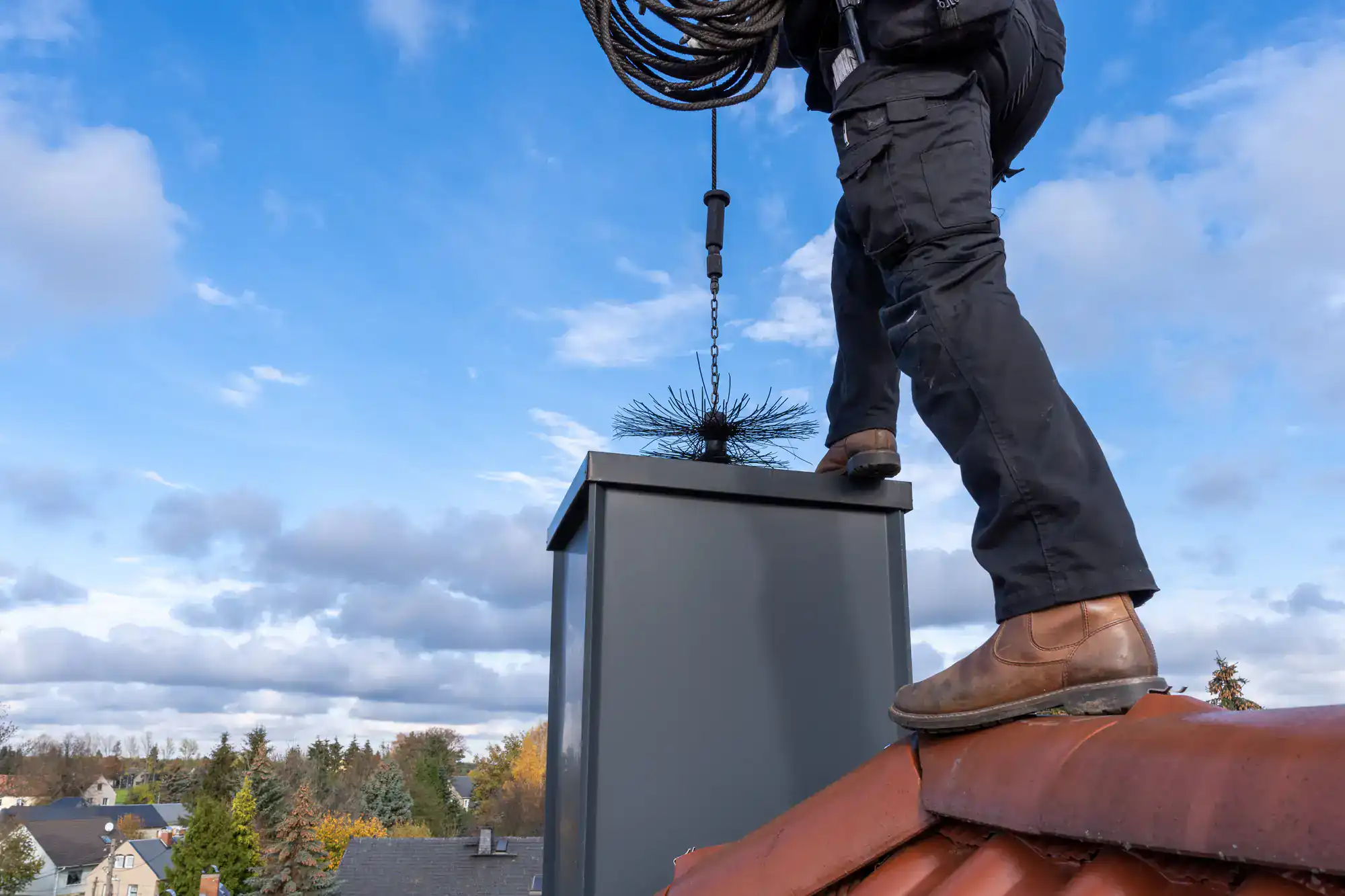
A real chimney inspection isn’t someone glancing up your flue with a flashlight. We examine your entire system—from the firebox where you burn wood to the cap sitting on your roof.
We’re looking for structural damage, water infiltration, creosote buildup, and ventilation problems that could send carbon monoxide back into your home instead of out through the flue. In Long Island’s coastal climate, we’re also checking for salt air corrosion and freeze-thaw damage that accelerates wear on masonry.
The inspection level matters too. A Level 1 inspection covers accessible areas and works for routine annual checkups. Level 2 inspections use cameras to see inside the flue and check hidden areas—this is what you need when buying a home or after storm damage.
If you’ve lived in Nassau or Suffolk County for more than one winter, you already know the drill. Temperatures swing wildly—40 degrees and raining on Monday, frozen solid by Tuesday morning, back up to 45 by Wednesday.
This freeze-thaw cycle is murder on chimney masonry. Water seeps into tiny cracks in brick and mortar. When temperatures drop, that water expands as it freezes, widening those cracks. Spring thaw repeats the cycle, making the damage worse each year.
Then there’s the salt air. Living near the water is one of the best parts of Long Island life, but that salty ocean breeze quietly wrecks your chimney. Salt draws moisture into brick like a sponge. When winter temperatures drop, that moisture freezes and expands just like we talked about above, but the salt accelerates everything.
The brick doesn’t just crack—it literally starts falling apart in chunks. This process is called spalling, and it’s incredibly common in Nassau and Suffolk counties, especially if you live within a few miles of the coast. You’ll notice it starting small: tiny chips or flakes coming off the brick surface.
We see these problems constantly serving Long Island homes. The coastal environment creates wear patterns that most inland contractors never encounter. That’s why working with a local chimney company that understands these specific challenges matters more than you might think.
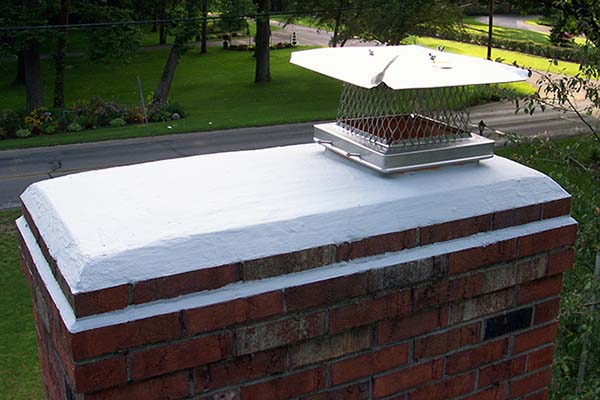
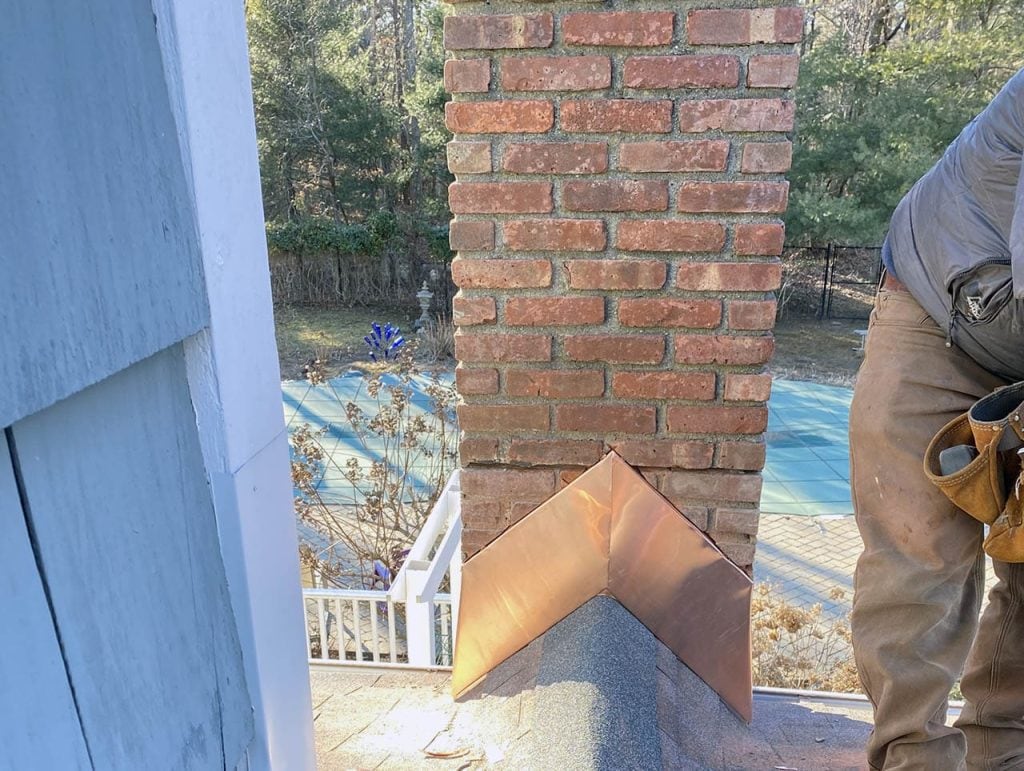
Your chimney crown—that concrete top that seals your chimney—faces direct exposure to nor’easters, ice, wind, and salt spray. Over time, small fractures form across that concrete surface. If your chimney crown has even the tiniest crack, melted snow and ice seep straight down into your chimney structure. By the time you notice water staining inside your house, the damage has been happening for weeks, maybe months.
Damaged mortar joints between your chimney bricks should be repaired as quickly as humanly possible. When mortar joints fail, greater amounts of moisture follow, speeding up every other form of chimney damage. Water gets into small cracks, and as it seeps in and freezes and thaws, small cracks become big cracks.
White staining on the outside of your chimney is another red flag. The natural salts in the bricks are brought to the surface by moisture and then left on the surface when the moisture evaporates. The stain is easy to wash off, but it won’t solve the problem. If you see white staining, look for a missing chimney cap, damaged crown, or missing or aging mortar joints.
If your firebox or damper is rusty, it’s a sign of too much moisture. The damper should open and close smoothly. If it doesn’t, or if you see rust, water in the chimney can cause the flue tiles to crack. Cracked tiles are extremely dangerous—if too much heat gets through, there could be a house fire.
Finding small pieces of tile or brick in your firebox is often a sign that your flue liner is deteriorating. The flue liner plays a critical role in protecting your home from intense heat and harmful gases produced by your fireplace. When it starts to crack or break apart, those protections are compromised.
If smoke starts drifting into your living room instead of up the chimney, something’s definitely wrong. This is a clear sign that your chimney isn’t drafting properly. The cause could be as simple as a blockage like debris or an animal nest, or as serious as a damaged flue or structural issue. Poor drafting can allow gases like carbon monoxide to enter your home, putting your family at risk.
Most chimney fires are quiet and slow burning. The only sign is the damage left behind. These fires are usually caused by either a stray spark or high temperatures that ignite creosote buildup in the chimney. The most dangerous consequence is that it creates pathways for carbon monoxide to enter your home and destroys the defenses that protect against a future house fire.
Let’s talk numbers, because knowing what’s reasonable helps you spot contractors who are either lowballing to win your business or overcharging because they think you won’t know better.
Professional chimney inspections in Suffolk County typically cost between $150 and $300. That’s for a Level 1 inspection—the basic annual checkup. Level 2 inspections with camera work run higher, usually $250 to $600, but you need that level of detail when buying a home or after storm damage.
Basic repointing work—fixing that crumbling mortar between bricks—runs $350 to $1,200 on Long Island. If the damage is more serious and bricks need replacement, you’re looking at $900 to $4,000 depending on how extensive the work is.
Annual chimney cleaning costs between $200 and $400 for most Long Island homes. That might seem like an expense you can skip, especially if you barely use your fireplace. But here’s the reality: that $200 cleaning catches problems while they’re still cheap to fix.
Professional cleaning removes dangerous creosote deposits before they become a fire hazard. Creosote is a black, tar-like substance that sticks to chimney walls and becomes highly flammable when it accumulates. Over 20,000 chimney fires happen on average every year, and most of them start with creosote buildup that could have been removed during routine maintenance.
The National Fire Protection Association recommends annual chimney inspections for good reason. Regular inspections catch damage, creosote buildup, and safety issues before they get serious. Minor repairs cost hundreds. Major structural work easily exceeds several thousand dollars.
Here’s the difference: repointing a few mortar joints today prevents replacing entire sections of brick tomorrow. Sealing a small crack in your chimney crown now stops water damage that could spread through your walls and attic. Replacing a $200 chimney cap prevents thousands in water damage repairs.
Fall chimney inspections appeal to many homeowners since that’s when fireplaces usually start being used, but it’s also the busiest time of year for us. You’ll wait longer for appointments, pay more for rush service, and risk discovering problems when you need your fireplace most. Smart Long Island homeowners schedule their inspections in spring or early summer, when we have availability and you have time to handle repairs before heating season.
The average cost of chimney repairs in Long Island tends to be higher than national averages due to the region’s higher labor costs and stringent building codes. Minor repairs might start around $250, while major structural work can easily exceed several thousand dollars. When everyone’s scrambling for service at the same time in fall, those costs only go up.
Your chimney isn’t just moving smoke out of your house. It’s your family’s first line of defense against carbon monoxide, water damage, and structural problems that can cost thousands to fix later.
Carbon monoxide poisoning is a serious risk from damaged chimneys. Cracks in your chimney liner or blocked flues can send deadly gases back into your living space instead of venting them outside. You can’t see or smell carbon monoxide, making it particularly dangerous for families.
A properly functioning chimney should vent gases outside, not into your home. Blockages, structural damage, or draft problems can force carbon monoxide and smoke back into your home. Every time your fireplace or stove burns, it continuously emits carbon monoxide, so it’s imperative that the chimney is free of any obstructions. Built-up creosote or even animals and nests can stop or dangerously slow the movement of vapors in the chimney.
Structural problems like crumbling mortar and damaged bricks are involved in 30 percent of home heating fires, making them a serious concern. The longer you wait to address these issues, the more expensive it gets. Foundation damage, basement flooding, and costly structural issues can exceed $10,000 in repairs.
A damaged chimney cap allows moisture and debris into the system. Replacement costs typically fall between $150 and $400—a small price compared to the water damage that happens when your chimney lacks this basic protection. The cap keeps rain, snow, and animals out while allowing smoke to vent properly.
White staining on exterior bricks reveals water infiltration problems and should be addressed within three to six months of noticing it. Ignoring it can lead to significant structural damage that’s far costlier to fix. Certified chimney professionals use advanced moisture detection equipment to pinpoint where water is getting in.
We’ll always explain what we found, what it means for your safety, and what it’ll cost to fix. We’ll show you photos or video from inside your flue. We’ll give you options, not scare tactics. And we’ll help you prioritize repairs based on what’s actually urgent versus what can wait.
Most of the chimney problems Long Island homeowners face are preventable. Regular inspections catch issues while they’re still cheap to fix. Professional cleaning removes the creosote buildup that causes chimney fires. And working with a local chimney company that understands coastal weather challenges means you get repairs that actually last.
Don’t wait until smoke fills your living room or water stains spread across your ceiling. Those problems mean damage has already been happening—you’re just now seeing the results.
Schedule your inspection now, while we have availability and you have time to handle any repairs before you need your fireplace. Whether you’re dealing with a specific problem or just want peace of mind before winter, we’ve been serving Long Island homeowners for over 20 years with the expertise and honest service your home deserves.
Article details:
Share:
Continue learning: