
Your Long Island roof faces unique challenges from coastal storms, ice dams, and salt air. Learn when to call professionals versus attempting DIY repairs.
Your roof isn’t failing because you did something wrong. It’s dealing with conditions that wear down even the best materials over time.
Long Island sits right in the path of nor’easters that dump heavy snow and ice. Then summer brings humidity that breeds mold and algae in shaded areas. Add in the salt air from living near the coast, and you’ve got a perfect storm of factors working against your roof every single day.
The most frequent issue? Leaks. They start small—maybe just a dark spot on the ceiling that you tell yourself you’ll deal with later. But water finds its way into places you can’t see, soaking insulation, rotting wood framing, and creating conditions for mold growth that becomes a health hazard.
After a big storm rolls through, you might walk outside and spot a few shingles in your yard. That’s the obvious damage. What you can’t see from the ground is often worse.
Wind doesn’t just tear shingles off. It lifts them, breaks the seal strips underneath, and leaves your roof vulnerable even when shingles appear to still be attached. The next rain finds those compromised spots and water starts its slow work of destruction.
One missing shingle might cost you a couple hundred dollars to fix today, but wait a few months and you’re looking at thousands in water damage repairs to your ceiling, walls, and insulation. Strong winds from coastal storms can reach speeds that rip through aging roof systems. The shingles on the edges and peaks take the hardest hits.
If your roof is over 15 years old, the adhesive holding shingles down has already weakened from years of temperature swings. That makes them easy targets when the next storm arrives. Here’s what most homeowners don’t realize: your insurance company wants you to report storm damage quickly. Wait too long, and they’ll argue the damage was from normal wear and tear rather than a covered storm event.
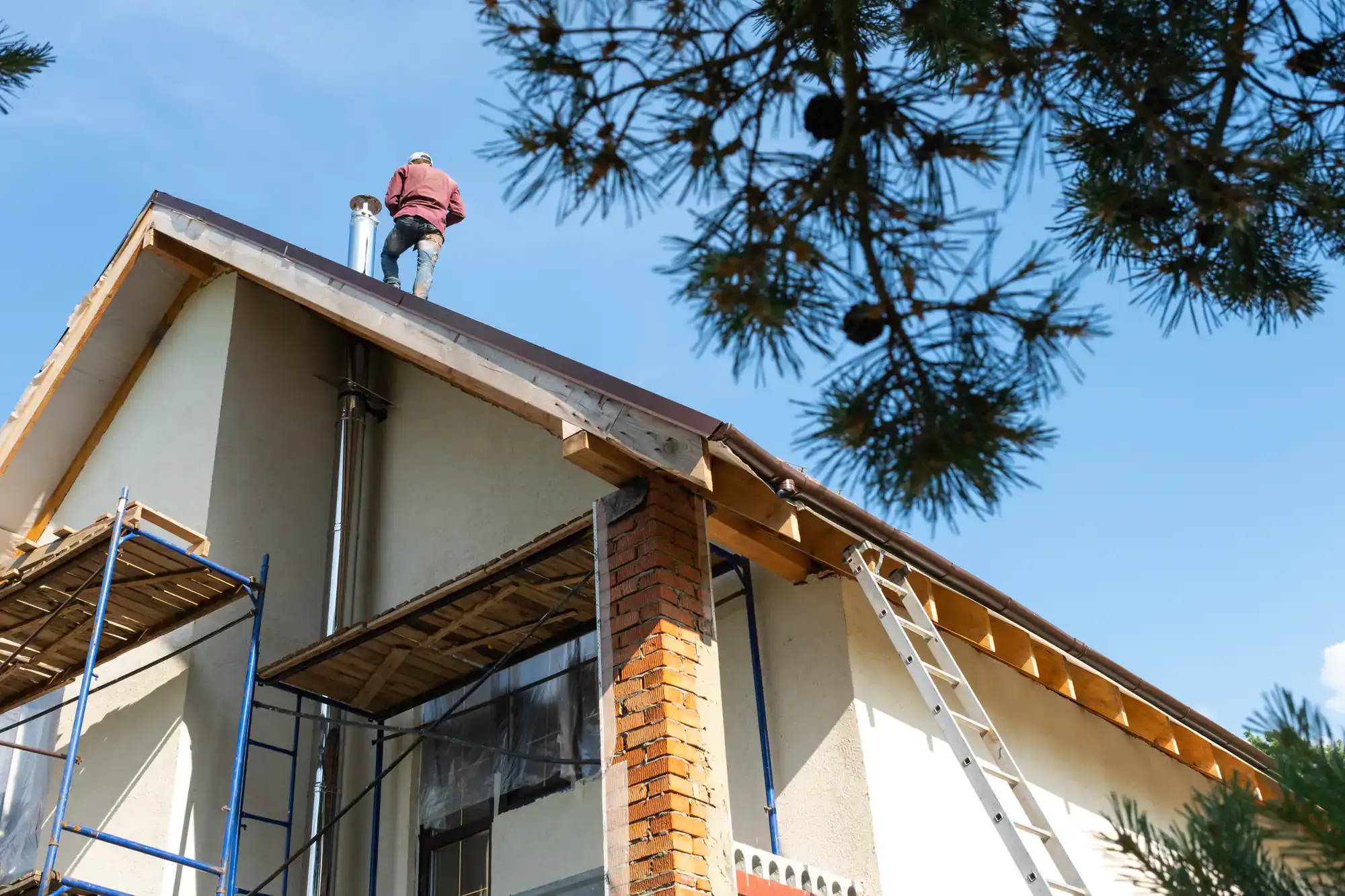
Getting a professional roof inspection right after severe weather documents the damage while the cause is still clear. That inspection report becomes crucial if you need to file a claim. At Expressway Roofing & Chimney, Inc, we offer emergency roof repair services 24/7, which means you can get someone out to assess storm damage immediately—even if it’s 2 AM on a Sunday.
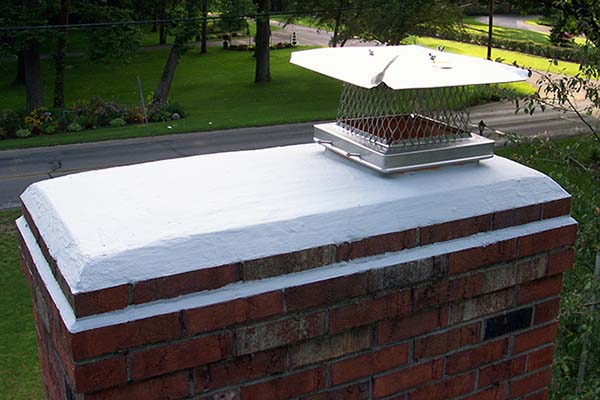
The flashing around your chimney, vents, and skylights is another casualty of high winds. These metal pieces create a watertight seal where your roof meets vertical structures. When wind gets underneath and bends or tears flashing, water has a direct path into your home. You won’t know it’s damaged until you see water stains appearing around your fireplace or dripping from light fixtures.
Salt air accelerates corrosion on metal flashing and roofing nails. What might last 30 years inland fails in 15-20 years near the coast. If you live in areas like Huntington, the Hamptons, or anywhere in Nassau County or Suffolk County near the water, your roof components are aging faster than standard timelines suggest.
Winter on Long Island brings a specific problem that catches homeowners off guard: ice dams. These thick ridges of ice form along your roof’s edge and prevent melting snow from draining properly.
Here’s how it happens. Heat escaping from your attic warms the roof surface. Snow melts and runs down toward the gutters. But the roof edge—the part hanging over your exterior walls—stays cold because there’s no heated space below it. Water refreezes there, building up layer after layer.
Eventually you’ve got a dam of ice blocking the path for water trying to leave your roof. That trapped water has nowhere to go but up and under your shingles. It seeps into the roof deck, soaks the insulation, and drips into your walls and ceilings. By the time you notice the damage inside, the ice dam has been doing its work for weeks.
The real problem isn’t the ice itself. It’s poor attic insulation and ventilation that let too much heat escape in the first place. Your attic should stay close to the same temperature as the outside air in winter. When it doesn’t, you’re creating the perfect conditions for ice dams to form every time it snows.
You’ll see the warning signs if you know what to look for. Icicles hanging from your gutters look pretty, but they’re actually red flags. So are those thick chunks of ice building up along your roof edge. Inside, water stains on your ceiling near exterior walls or in your attic tell you water is getting where it shouldn’t.
Some homeowners try to solve ice dams by climbing up and chipping away the ice. That’s dangerous and damages your shingles. Others install heat cables along the roof edge. Those help, but they’re treating the symptom rather than fixing the cause.
The real solution involves improving your attic insulation and making sure you have proper ventilation to keep your roof cold in winter. A qualified roof contractor in Suffolk County or Nassau County can assess your attic situation and recommend specific fixes. Sometimes it’s as simple as adding insulation. Other times you need additional roof vents or repairs to soffit vents that have been blocked.
Either way, preventing ice dams is a lot cheaper than repairing the water damage they cause.
This is the question that keeps homeowners up at night. You’ve got damage, you need it fixed, but should you patch things up or bite the bullet and replace the whole roof?
The age of your roof matters most. If your roof is under 10 years old and damage is limited to a specific area—say, shingles torn off by a fallen branch—repair makes perfect sense. You’ve got years of life left in that roof. Fix the damaged section and move on.
But if your roof is pushing 20 years old and you’re seeing problems in multiple areas, replacement starts looking like the smarter investment. You might spend a couple thousand on repairs today, then another few thousand next year when a different section fails, then more the year after that. At some point you’re just throwing good money after bad.
Some problems announce themselves loud and clear. Others hide until they’ve caused serious damage. Knowing what to watch for helps you catch issues while they’re still manageable.
Water stains on your ceiling are the obvious one. Even small stains mean water is getting through your roof and into your home. Don’t wait to see if it gets worse. It will. Water takes the path of least resistance, and once it finds a way in, that path gets easier with every rain.
Missing or damaged shingles show up after storms, but you need to actually look for them. Walk around your property after heavy weather and scan your roof with binoculars if you can’t see clearly from the ground. Look for bare spots, curled edges, or shingles that appear darker than others. That dark color often means the protective granules have worn off, leaving the asphalt exposed to UV damage.
Check your gutters for granules. Those small rock-like pieces should stay embedded in your shingles. When you start finding piles of them in your gutters or downspouts, your shingles are deteriorating. A few granules are normal as shingles age, but heavy granule loss means your roof is near the end of its useful life.
Sagging areas are serious. If any part of your roofline dips or sags, you’ve got structural problems that need immediate attention. This isn’t something you can patch. Sagging means the roof decking or supports have been compromised, usually by long-term water damage. This requires a professional evaluation right away.
Look at your attic on a sunny day. Turn off the lights and look up at the roof deck. If you see pinpricks of light coming through, you’ve got holes. While you’re up there, check for water stains on the underside of the roof deck and on the rafters.
Dark stains, even if they’re dry now, tell you water has been getting in. Mold or moss growing on your roof isn’t just ugly. It holds moisture against the shingles and accelerates deterioration. Those dark streaks you see are actually algae feeding on the limestone in your shingles.
The north side of your roof, which gets less sun, tends to show these problems first. While algae won’t immediately destroy your roof, it’s a sign that conditions are right for more serious problems to develop. Your energy bills can signal roof problems too. If your heating or cooling costs jump without explanation, your roof might be letting conditioned air escape.
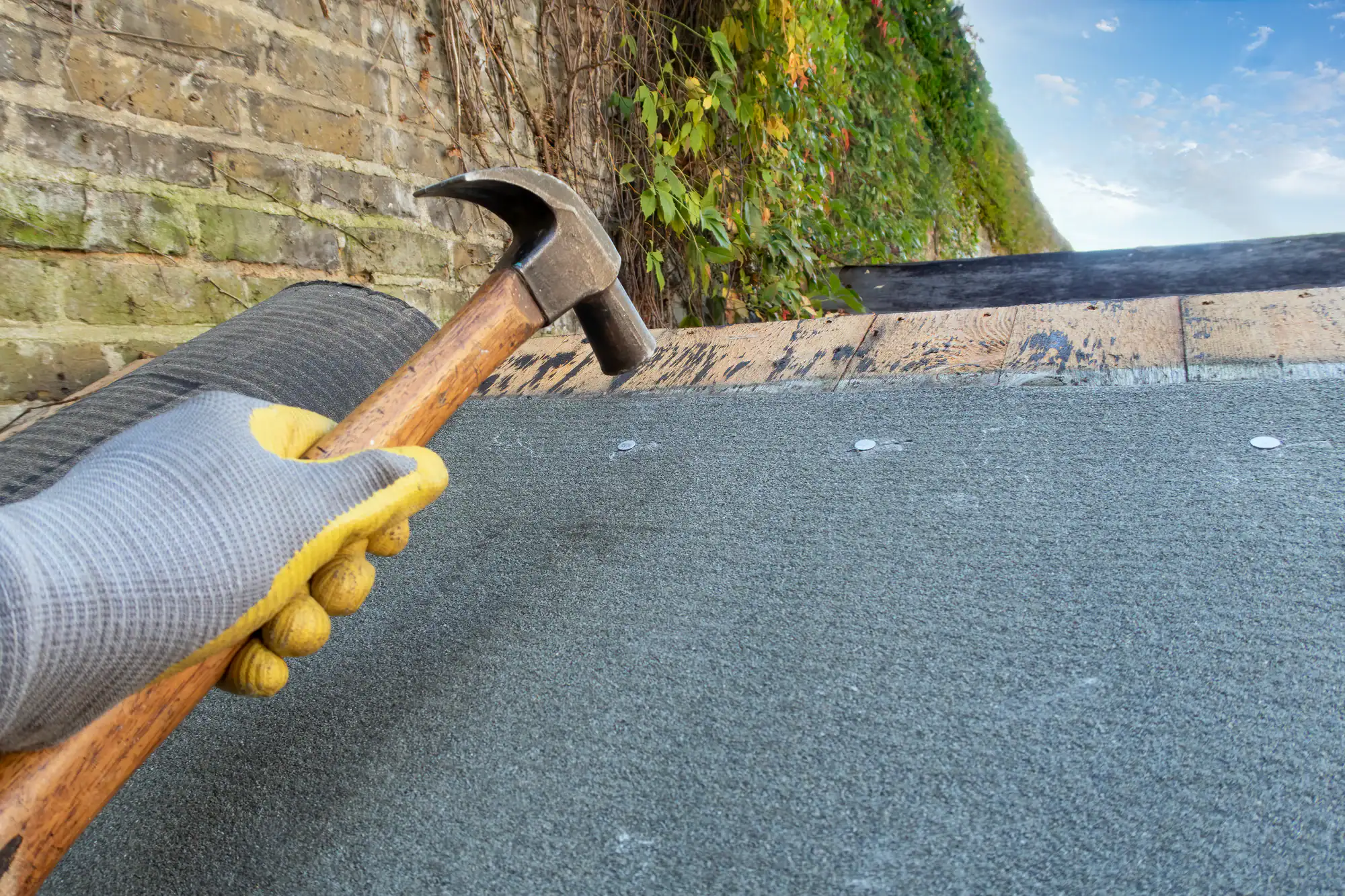
The internet makes everything look simple. Watch a few videos and suddenly you’re convinced you can handle roof repairs yourself. But here’s what those videos don’t show you: the mistakes that turn a small problem into a disaster.
Roofing is dangerous. Falls from roofs are one of the leading causes of home improvement injuries. Even if you’re comfortable on a ladder, roofs present hazards that aren’t obvious until you’re up there. Wet shingles are slippery. So are leaves and moss. One wrong step and you’re looking at a trip to the emergency room—or worse.
Safety aside, most homeowners don’t have the knowledge to diagnose the real problem. That missing shingle might be a symptom of damaged flashing or deteriorated underlayment. You can slap a new shingle on, but if you haven’t addressed the underlying issue, you’ll be back up there in a few months doing it again.
Professional roofers know what to look for and how to fix problems at their source. Then there’s the warranty issue. Most shingle manufacturers only honor their warranties if a licensed contractor installed the roof according to their specifications. Do your own repairs and you might void that warranty. If the shingles fail a year later, you’re paying for replacement out of pocket because the manufacturer won’t cover DIY installation.
Your homeowner’s insurance has similar requirements. If you attempt repairs and cause additional damage, your insurance company can deny your claim. They’ll argue you assumed the risk when you decided not to hire a professional. That’s a costly gamble when professional repairs come with warranties on both labor and materials.
There are a few situations where careful DIY work might be acceptable. Cleaning debris from your gutters, for example, or removing leaves from your roof after a storm. If you’re comfortable on a ladder and take proper safety precautions, these maintenance tasks can prevent bigger problems. But actual repairs—replacing shingles, fixing flashing, addressing leaks—those should be left to professionals.
Professional roofers bring more than just experience. They have the right tools, safety equipment, and materials to do the job correctly. They know local building codes in Long Island, NY and can pull permits when required. They carry insurance that protects you if something goes wrong during the repair. And they warranty their work, so if the repair fails, they come back and fix it at no additional cost.
The money you think you’re saving by going DIY often disappears when you factor in materials you buy but don’t use, tools you need to purchase or rent, and the time you spend learning as you go. If the repair doesn’t hold and you end up calling a professional anyway, you’ve paid twice for the same job. Worse, if your DIY attempt causes additional damage, the professional’s bill will be higher than if you’d called them first.
Your roof is doing exactly what you built it to do: taking punishment from the weather so your home stays dry and comfortable. But it can’t do that job forever without help.
The key is catching problems early, before that small leak becomes major water damage. Regular inspections—especially after storms—give you a chance to address issues while they’re still simple repairs. Waiting until you can’t ignore the problem anymore almost always costs more in the long run.
Professional roofers bring the expertise to diagnose what’s really wrong and fix it right the first time. We understand how Long Island’s coastal climate affects roofing materials. We know which repairs will hold up to the next nor’easter and which are just temporary patches. And we can tell you honestly whether repair makes sense or if you’re better off replacing the roof before the next major problem hits.
When you need roof repair in Long Island, Expressway Roofing & Chimney, Inc has been helping homeowners protect their homes for over 20 years. Our team provides 24/7 emergency service, comprehensive inspections, and the kind of honest assessment that helps you make the right decision for your home and budget.
Article details:
Share:
Continue learning: