Not all roofing contractors on Long Island are created equal. Learn what licensing, insurance, and warranties actually protect your investment before you hire.
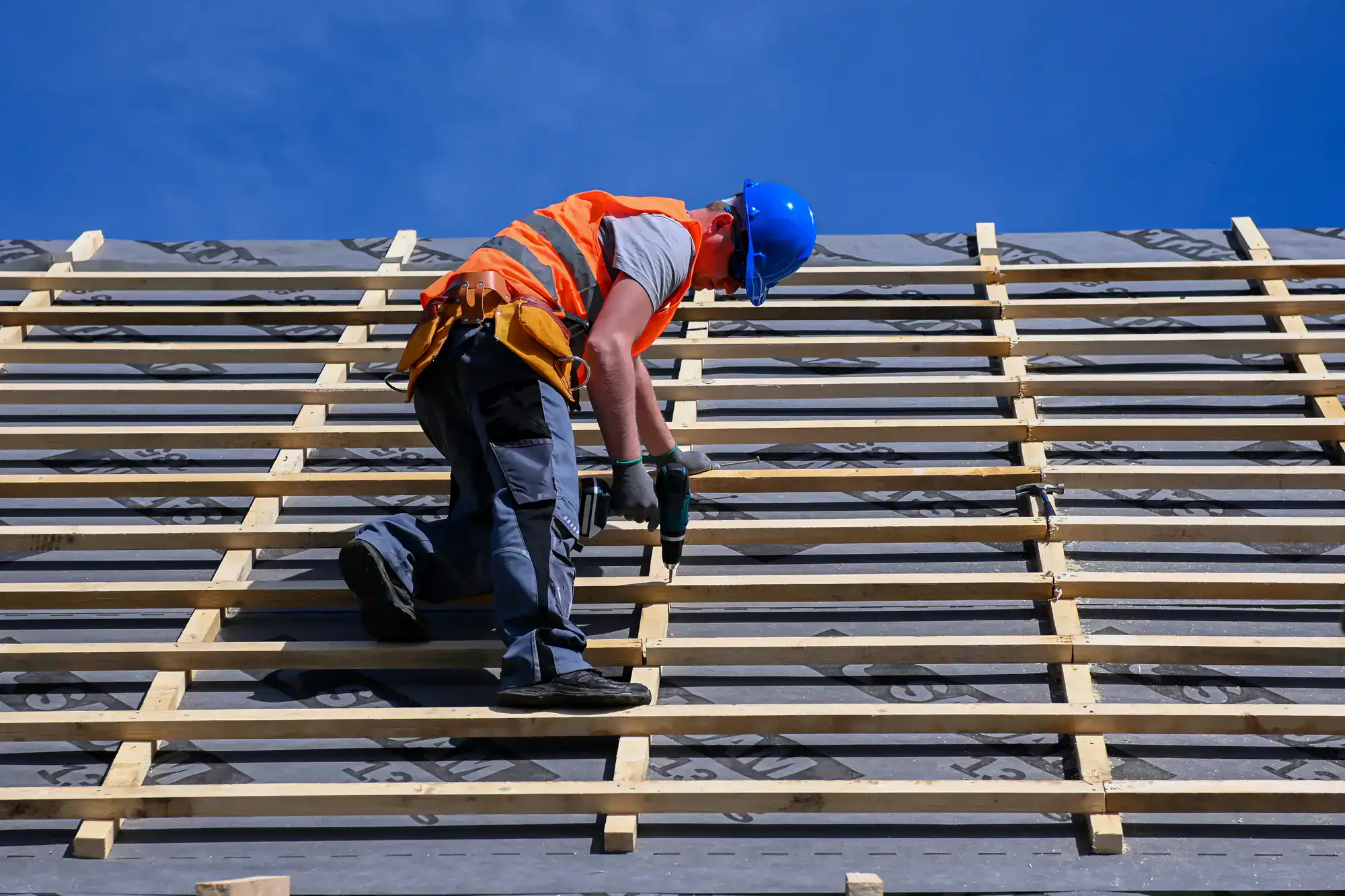
In Nassau and Suffolk Counties, roofing contractors must hold a Home Improvement Contractor (HIC) license to legally perform work. This isn’t optional. It’s the law. Yet plenty of contractors operate without it, hoping homeowners won’t check.
Here’s what you need to verify before hiring anyone. Ask for their HIC license number and confirm it’s active with the county. Licensing requirements include obtaining workers’ compensation insurance and general liability insurance certificates. Don’t just take their word for it—request copies of current certificates and call the insurance company to verify coverage.
If someone gets injured while working on your property and the contractor doesn’t carry workers’ comp, you could be held liable for tens of thousands in medical bills. That’s not a risk worth taking to save a few bucks on a cheaper bid.
Walk into any hardware store and you’ll see dozens of roofing products. But not every contractor is qualified to install them properly. That’s where manufacturer certifications come in.
Only 2-3% of all contractors nationwide are GAF Master Elite companies. Only 1% of all roofing contractors achieve Owens Corning Platinum Preferred status. These aren’t just marketing badges. They represent strict standards for business practices, installation quality, and ongoing training.
Why does this matter to you? Because manufacturers stand behind certified contractors differently than they do everyone else. Leading manufacturers offer optional extended warranty coverage on new roofs installed by authorized contractors who are certified to install the roofing system according to the manufacturer’s installation requirements. That extended coverage often includes protection against workmanship errors—something standard manufacturer warranties don’t touch.
Think of it this way. If a manufacturer trusts a contractor enough to put their name behind the installation, that tells you something. These companies have done the vetting for you. They’ve verified the contractor’s track record, checked their insurance, and confirmed they follow proper installation methods.
On Long Island specifically, GAF and Owens Corning dominate the market. The best shingles are made by GAF—there are no better shingles than GAF shingles. So when you’re comparing roofing companies, ask about their manufacturer relationships. Can they offer extended warranties? Are they certified installers? If not, you’re leaving protection on the table.
You’ve confirmed the contractor has insurance. Great. But here’s what most people miss—you need to verify that insurance is current and adequate.
General Liability Insurance with a minimum of $1 million coverage is mandatory for Home Improvement Contractors. That covers property damage if something goes wrong during the project. But it’s not enough on its own.
Workers’ compensation protects you if someone gets hurt on your property. And in New York, you must always keep proper insurance and workers’ compensation coverage on file. Some contractors will show you an exemption form (CE-200) if they don’t have employees. That’s fine—but you need to see documentation either way.
Here’s the practical step. When a contractor gives you their insurance information, don’t just file it away. Call the insurance company directly and ask if the policy is active and what the coverage limits are. Any reputable roofer should be happy to provide certificates of insurance, and if they act shady when you ask, that’s your sign to walk away.
Some contractors will pressure you to skip this step. They’ll say “we’re insured, don’t worry about it” or “we’ll email you the certificate later.” That’s not good enough. You need proof before work starts. Because if something happens and they’re not actually covered, you’re the one dealing with the consequences.
Also ask about bonding. Some counties require a $20,000 surety bond. This protects you if the contractor abandons the job or doesn’t fulfill the contract terms. It’s another layer of security that separates professional operations from fly-by-night crews.
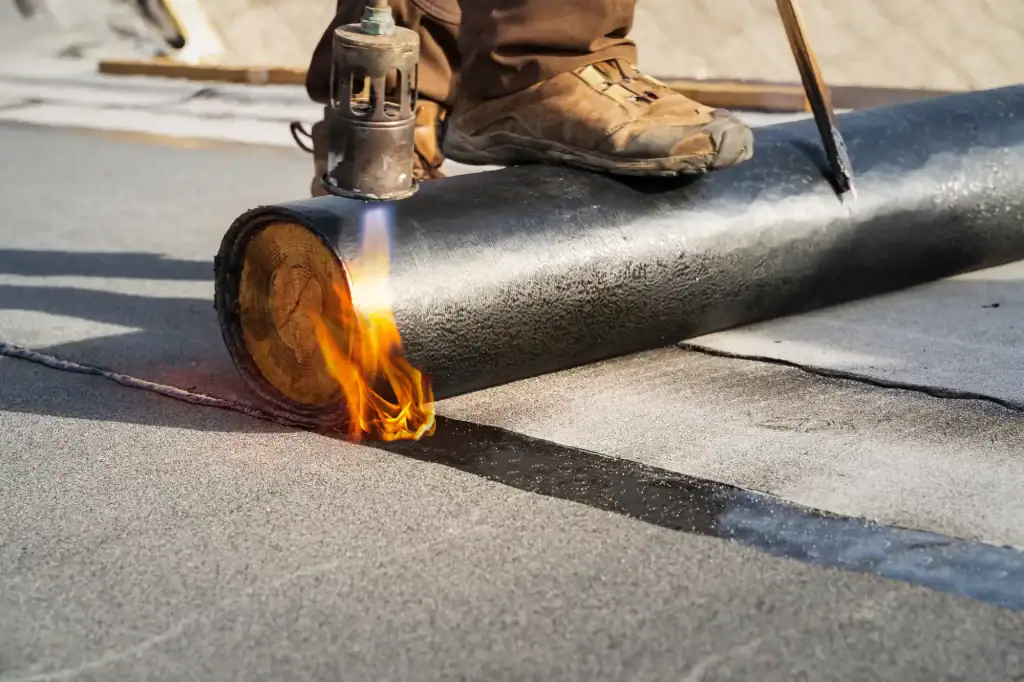
Warranties sound great until you need to use one. That’s when you discover what’s actually covered versus what you thought was covered. Most roofs come with two separate warranties, and understanding the difference matters.
Manufacturer warranties strictly cover the cost of defective materials and don’t cover shingles that prematurely fail because mistakes were made during installation. So if your shingles crack due to a factory defect, you’re protected. If they fail because the contractor didn’t install them correctly, you’re not.
That’s where workmanship warranties come in. A roofing contractor’s workmanship warranty covers any errors made during the roof installation process—the roofer is on the hook to fix any issues or problems caused by improper installation during the warranty period.
Here’s where contractors vary wildly. Some offer two years. Others offer lifetime coverage. The length tells you how confident they are in their work.
You shouldn’t settle for anything less than a 10-year workmanship warranty, though the most reputable roofing contractors offer a warranty that lasts 10 or more years. Why? Because improper installation causes up to 95% of all roofing problems. That’s not a typo. The vast majority of roof failures have nothing to do with defective materials and everything to do with how the roof was installed.
The longer a contractor stands behind their work, the more confidence you’ll have that the job will be done right—roofing contractors who trust their workmanship and use quality materials should have no problem providing at least a 10-year workmanship warranty.
But length isn’t everything. You also need to understand what the warranty actually covers. Some warranties include a non-transferability clause, meaning the warranty is only valid while you own the home—as soon as you sell it, the warranty becomes void, leaving the new homeowner with no coverage. That might not matter if you’re staying put, but it affects your home’s resale value.
Also watch for maintenance requirements. Some warranties become void if you don’t have annual inspections by the same contractor. Others exclude certain types of damage or require you to use specific materials for any future repairs. If you hire a different company for repairs than you had for installation, manufacturers may deem these new services as unauthorized alterations and void the warranty.
Get everything in writing. Before you sign a contract, ask for a copy of the actual warranty document—not just a verbal promise. Read through it. If something’s unclear, ask questions. As the homeowner, it is in your best interest to read all warranties and follow up with the manufacturer or contractor with questions about coverage—knowing your warranty thoroughly will help you feel better about your roof purchase and provide you with a big advantage if you ever need to make a claim.
Some warning signs are obvious. Others are subtle. But they all point to the same thing—a contractor you shouldn’t trust with your roof.
Storm chasers follow severe weather and go to areas hoping to drum up business, often approaching homeowners saying they’ve noticed roof damage or offering a free inspection, claiming they’re working on another roof in your neighborhood. These contractors typically have no local presence. They’ll be gone before warranty issues surface.
Unusually low estimates are a red flag—companies that bid low often make changes to the bid after they secure your business, and you should never work with a roofer who won’t commit to their estimate in writing. If someone’s price is dramatically lower than everyone else’s, there’s a reason. They’re either cutting corners on materials, skipping proper installation steps, or planning to hit you with change orders once work starts.
Be cautious of contractors who demand a large upfront payment—a typical deposit should be around 10%-20% of the total project cost, and paying too much upfront can leave you vulnerable if the contractor decides to disappear with your money. Reliable roofing companies have credit with suppliers and don’t rely on your deposit to fund the job.
High-pressure tactics are another major red flag. High-pressure sales tactics are strategies designed to rush you into making a decision without giving you enough time to think it over or compare options, and these tactics are especially common in the roofing industry where unscrupulous contractors try to take advantage of homeowners’ urgency and anxiety following storm damage. If someone says “this price is only good today” or “your roof is about to collapse,” take a breath. While urgency is sometimes necessary, legitimate contractors will provide you with evidence and explain the situation clearly without resorting to fear—quality contractors won’t pressure you for an immediate answer.
Also watch for contractors who won’t provide a written estimate. A professional roofer will provide a detailed written estimate that includes the scope of work, materials to be used, project timeline, and costs—if a contractor is unwilling to put this information in writing, it’s a red flag because homeowners have no formal reference for the agreed work, costs, and project timeline.
Finally, check their online presence. If they can’t provide a physical address or only offer a personal cell number, have no website or online presence, or refuse to provide written estimates, contracts, or proof of insurance, that’s a big red flag. Legitimate companies have nothing to hide.
Choosing a roofing company comes down to three things. Credentials you can verify. Warranties that actually protect you. And a contractor who communicates clearly without pressure tactics.
Start by confirming licensing and insurance. In Nassau and Suffolk Counties, that means a valid Home Improvement Contractor license, general liability coverage, and workers’ compensation. Don’t skip this step. Then look at manufacturer certifications—GAF Master Elite and Owens Corning Platinum Preferred status indicate a higher standard of quality and give you access to better warranties.
Compare workmanship warranties carefully. Ten years minimum, but lifetime is better. Read the actual warranty document before signing anything. And finally, trust your gut. If something feels off, if the contractor won’t answer questions, or if you’re being rushed into a decision, walk away. There are plenty of good roofing companies on Long Island. Get at least three written estimates and avoid contractors who demand large upfront deposits.
When you’re ready to move forward, we invite you to reach out to us at Expressway Roofing & Chimney, Inc. for a free estimate. With over 20 years serving Long Island, 24/7 emergency services, and comprehensive roofing and chimney expertise, we bring the credentials and local experience that matter when you’re protecting your home.
Article details:
Share:
Continue learning: