
Discover how the right gutter system protects your Long Island home from water damage, foundation issues, and costly repairs year-round.
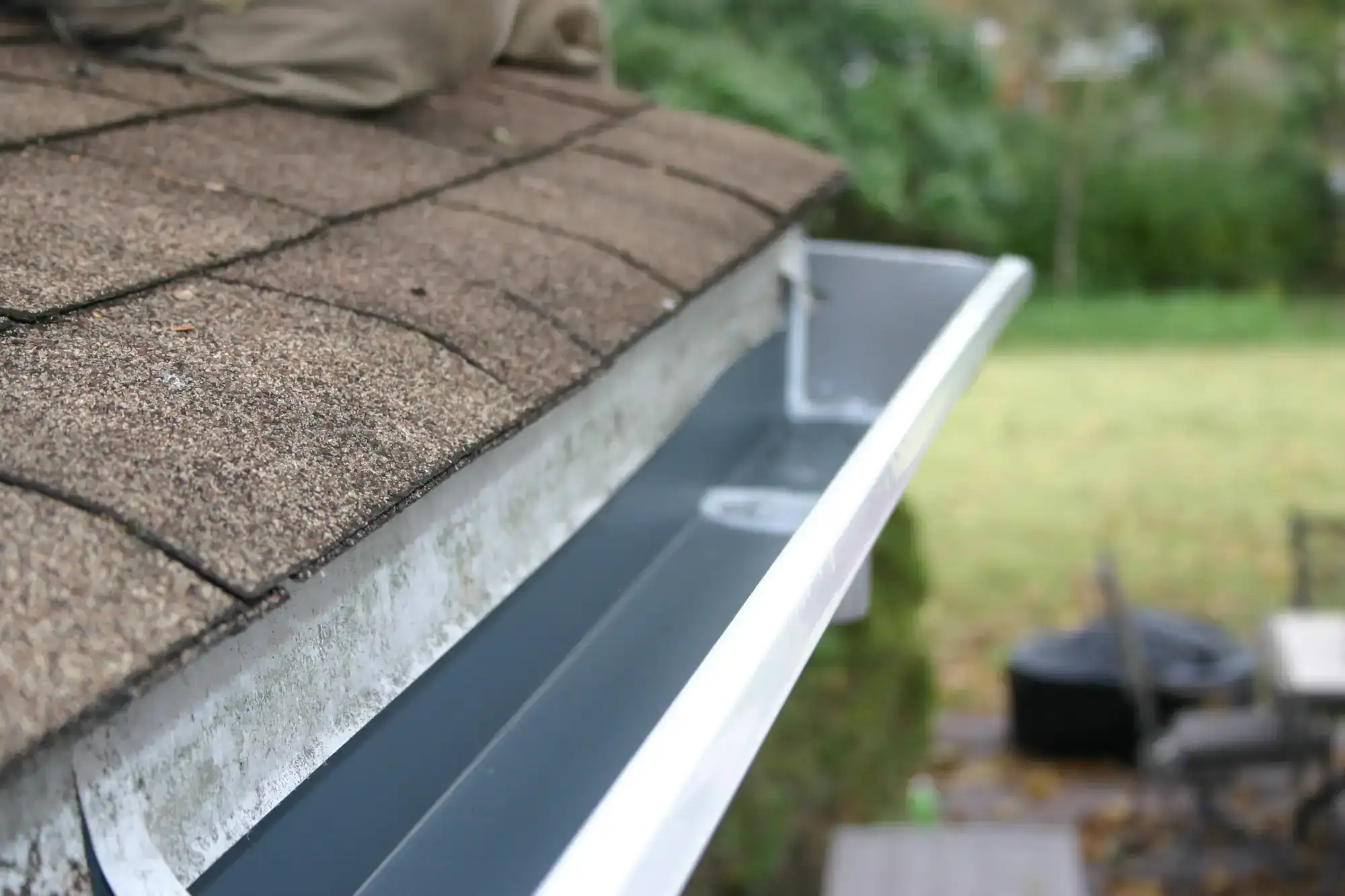
Gutters channel water away from your foundation. That’s the whole job, and it matters more than most people realize until something goes wrong.
When rain hits your roof without gutters, it cascades straight down and pools around your foundation. That water doesn’t just sit there. It seeps into cracks, creates hydrostatic pressure, and gradually destabilizes the soil supporting your entire house. In Long Island’s sandy soil conditions, this happens faster than you’d think.
Foundation repairs start around $10,000 and go up from there. Basement flooding adds mold remediation, damaged belongings, and structural concerns. Your siding takes a beating too—constant water exposure leads to rot, peeling paint, and early replacement. Even your landscaping suffers when water gouges trenches through your garden beds instead of flowing where it should.
Professional gutter installation isn’t about hanging troughs on your roofline and calling it done. It’s about engineering a system that handles Long Island’s specific weather patterns.
The pitch matters. Your gutters need a precise slope—usually about a quarter inch per 10 feet—to keep water moving toward downspouts without creating standing pools where debris collects. Too flat and water sits. Too steep and it overshoots during heavy rain. We measure this exactly because eyeballing it doesn’t work when a nor’easter dumps two inches in an hour.
Seamless gutters are fabricated on-site to your home’s exact dimensions. There are no seams except at corners and downspout outlets, which eliminates 90% of potential leak points. Traditional sectional gutters have joints every 10 feet, and every joint is a future problem waiting for the right storm.
The fastening system determines how long your gutters actually last. Hidden hangers that attach under your shingles distribute weight evenly and allow for expansion and contraction during Long Island’s freeze-thaw cycles. The old spike-and-ferrule method—driving a nail through the gutter face—eventually pulls loose. You see sagging gutters on older homes because those spikes can’t hold up to snow load and ice accumulation.
Sizing is critical for Long Island homes. Standard 5-inch K-style gutters work for most properties, but homes with steep roofs or large surface areas need 6-inch gutters to handle volume during intense rainfall. Your downspouts matter too. Larger 3×4-inch downspouts move water faster and resist clogging better than standard 2×3-inch versions. They’re nearly self-cleaning because debris can’t create the same blockages.
Material selection affects performance in coastal conditions. Aluminum gutters resist rust from salt air exposure and handle temperature fluctuations without becoming brittle. Copper gutters last 50-100 years and develop a protective patina, though they cost more upfront. Both outperform vinyl in Long Island’s climate, where winter cold makes plastic brittle and summer heat causes warping.
Downspout placement determines whether your system actually protects your foundation. Water needs to discharge at least 4-6 feet from your home’s base, directed toward areas where it can absorb into the ground or flow away from the structure. Extensions or underground drainage pipes accomplish this in areas where space is limited or grading slopes toward the house.
You don’t always need to climb a ladder to know your gutters are failing. The evidence shows up in predictable places if you know what to look for.
Water stains on your siding mean gutters are overflowing instead of channeling water through downspouts. This happens when clogs force water over the edge, or when the gutter itself has pulled away from the fascia board. Either way, that water is hitting your exterior walls and finding ways inside.
Peeling paint near your roofline or on fascia boards indicates consistent water exposure. Gutters should keep this area dry. When they don’t, wood rot follows quickly—especially on Long Island where humidity stays high through summer months.
Basement moisture or flooding after rainstorms often traces back to gutter problems. Water that should be flowing away from your foundation is instead pooling around it, finding cracks, and seeping through. If your sump pump runs constantly during rain or you notice musty smells, check your gutters before assuming you need foundation waterproofing.
Sagging sections or gutters pulling away from the house mean the fastening system has failed. This happens gradually as hangers loosen, or suddenly when ice and snow add weight the system can’t support. Either way, those sections aren’t doing their job anymore.
Visible cracks, holes, or rust spots compromise the entire system. Seamless gutters rarely develop these issues except at connection points, but sectional gutters and older systems corrode over time. Coastal salt air accelerates this process significantly.
Soil erosion or channels in your landscaping near the foundation show where water is landing instead of being properly diverted. You’ll see mulch washed away, trenches forming in garden beds, or bare spots in your lawn directly under rooflines.
Ice dams forming along your roof edge in winter indicate gutters aren’t draining properly before freezing temperatures arrive. Clogged gutters hold water that freezes, expands, and creates dams that force melting snow under your shingles. This causes interior leaks and roof damage that costs far more than gutter maintenance would have.
Frequent clogs despite regular cleaning suggest your gutter system isn’t properly designed for the debris load your property generates. Long Island’s mature oak and maple trees drop leaves, seed pods, and pollen that create sticky buildup. If you’re cleaning gutters three or four times per season and still having problems, the system needs upgrading—possibly larger gutters, more downspouts, or professional gutter guards.
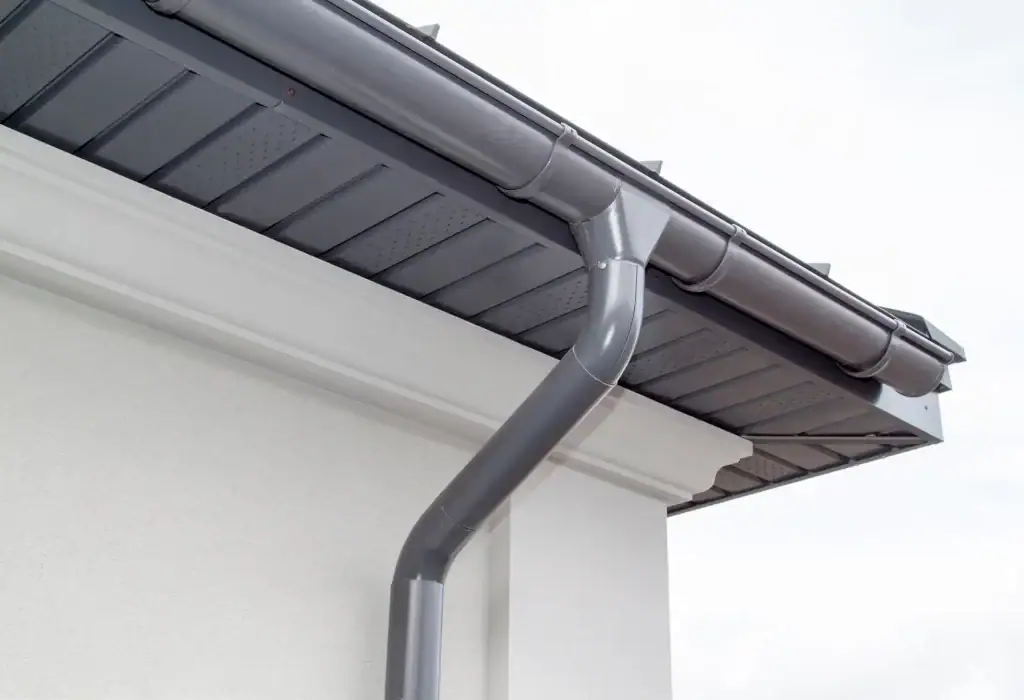
Long Island’s four distinct seasons each create specific challenges for your gutter system. Maintenance isn’t a once-and-done task—it’s an ongoing process that prevents the expensive problems most homeowners only notice after damage occurs.
Spring brings heavy rainfall and rapidly melting snow that test your gutters’ capacity after months of winter stress. Summer delivers intense thunderstorms and occasional tropical weather that can overwhelm inadequate systems. Fall covers gutters with leaves from abundant deciduous trees throughout Nassau and Suffolk Counties. Winter subjects gutters to freeze-thaw cycles, ice dam formation, and the weight of snow accumulation.
Most Long Island homes need professional gutter cleaning at least twice yearly—once in late fall after leaves drop and once in early spring. Properties with many trees often benefit from quarterly service to prevent the clogs that lead to overflow and ice dams.
Late fall cleaning happens after trees finish dropping leaves but before winter weather arrives. This timing is critical because clogged gutters filled with wet leaves create perfect conditions for ice dam formation once temperatures drop. Oak pollen and seed pods from spring create sticky residue that hardens over summer, requiring thorough removal before winter.
During this cleaning, we remove all debris by hand, flush the system with water to check flow, and inspect for damage that developed during the previous year. We check that downspouts drain freely, verify proper pitch throughout the system, and ensure all fasteners remain secure. Any repairs happen now, before winter weather makes them more difficult and expensive.
Early spring cleaning addresses winter damage and prepares gutters for the heavy spring rains Long Island typically experiences. Ice and snow can bend hangers, create small cracks at seams, and leave behind debris that restricts flow. This inspection catches problems while they’re still minor.
Between professional cleanings, homeowners should watch for warning signs that service is needed sooner. Water overflowing during rainstorms, visible debris buildup, or plants growing in gutters all indicate clogs that need immediate attention. Waiting until the next scheduled cleaning risks overflow damage to siding and foundation.
Gutter guards reduce maintenance frequency but don’t eliminate it entirely. Quality micro-mesh systems keep leaves and large debris out while allowing water through, but they still need periodic inspection. Some debris rests on top of guards and eventually needs removal, though it typically blows away naturally. Guards are particularly valuable for Long Island homes with mature trees or for homeowners who want to avoid dangerous ladder work.
The cost of professional gutter cleaning in Long Island typically runs $3.50-$6.00 per linear foot, with most homes spending $150-$300 per cleaning depending on home size and debris volume. Compare this to foundation repair costs starting at $10,000, roof damage from ice dams reaching $10,000 or more, or basement flooding remediation that easily exceeds $5,000. Preventive maintenance is always cheaper than emergency repairs.
Ice dams form when three conditions combine—snow on your roof, temperatures below freezing, and uneven roof temperatures. In Suffolk County, this happens frequently during winter months when nor’easters dump heavy snow and temperatures hover in the low 30s. Heat escaping from your home melts snow on upper roof areas, but water refreezes when it reaches colder eaves and gutters.
Clogged gutters make ice dams worse by preventing proper drainage before freezing occurs. Water backs up behind the ice, finds its way under shingles, and leaks into your home. The damage shows up as water stains on ceilings, peeling paint, damaged insulation, and even structural problems if left unchecked long enough.
Clean gutters before winter arrives form the first line of defense. Water that flows freely through the system and away from your home can’t create the standing pools that freeze into dams. This is why late fall cleaning is non-negotiable for Long Island homeowners.
Proper attic insulation and ventilation prevent the uneven roof temperatures that start the melting process. Your roof should stay cold in winter, not warm from heat escaping through your ceiling. This keeps snow from melting prematurely and creating the water that eventually forms ice dams.
Heated cables installed in gutters and along roof edges provide additional protection in problem areas. These prevent ice and snow buildup in the gutter system itself, maintaining drainage even during extended cold periods. They’re particularly useful for north-facing roof sections or areas with limited sun exposure where ice persists longer.
Snow removal from roof edges after heavy storms reduces the volume of water that will eventually melt and need drainage. Use a roof rake from the ground rather than climbing onto an icy roof—safety matters more than speed. Remove the bottom 3-4 feet of snow along the eaves to eliminate the source material for ice dams.
If ice dams do form, don’t try to chip them away with tools. You’ll damage shingles and gutters in the process. Professional ice dam removal uses low-pressure steam that melts ice without causing harm. We offer emergency services during winter storms, but prevention through proper gutter maintenance and attic insulation costs far less than dealing with damage after it occurs.
The financial impact of ice dam damage adds up quickly. Gutter repairs from ice damage run $400-$600. Roof damage often reaches $5,000-$10,000. Interior water damage and mold remediation can exceed $10,000. Compare this to the cost of preventive gutter cleaning, proper insulation, and seasonal maintenance—the choice becomes obvious.
Your gutters handle more than rain. They manage snow melt, ice formation, coastal storms, and everything Long Island’s weather delivers throughout the year. When they work properly, you don’t think about them. When they fail, you’re dealing with foundation damage, basement flooding, rotted siding, and repair bills that start in the thousands.
Professional installation ensures your system is sized correctly, pitched properly, and built with materials that handle coastal conditions and temperature extremes. Seamless construction eliminates the weak points where leaks develop. Quality fasteners keep everything secure through winter snow loads and summer storms. Proper downspout placement directs water away from your foundation instead of letting it pool where it causes problems.
Regular maintenance prevents the clogs and damage that turn minor issues into major expenses. Twice-yearly professional cleaning keeps water flowing where it should, catches small problems before they become big ones, and extends the life of your entire system. For Long Island homeowners, this isn’t optional maintenance—it’s essential protection for your home’s structural integrity and your family’s safety. If you’re ready to protect your home with a gutter system that actually works in Long Island’s climate, we bring over 20 years of experience to every installation and repair at Expressway Roofing & Chimney, Inc.
Article details:
Share:
Continue learning: