
Not sure if your roof damage is an emergency? Learn the critical warning signs that demand immediate attention and the smart steps Long Island homeowners should take next.
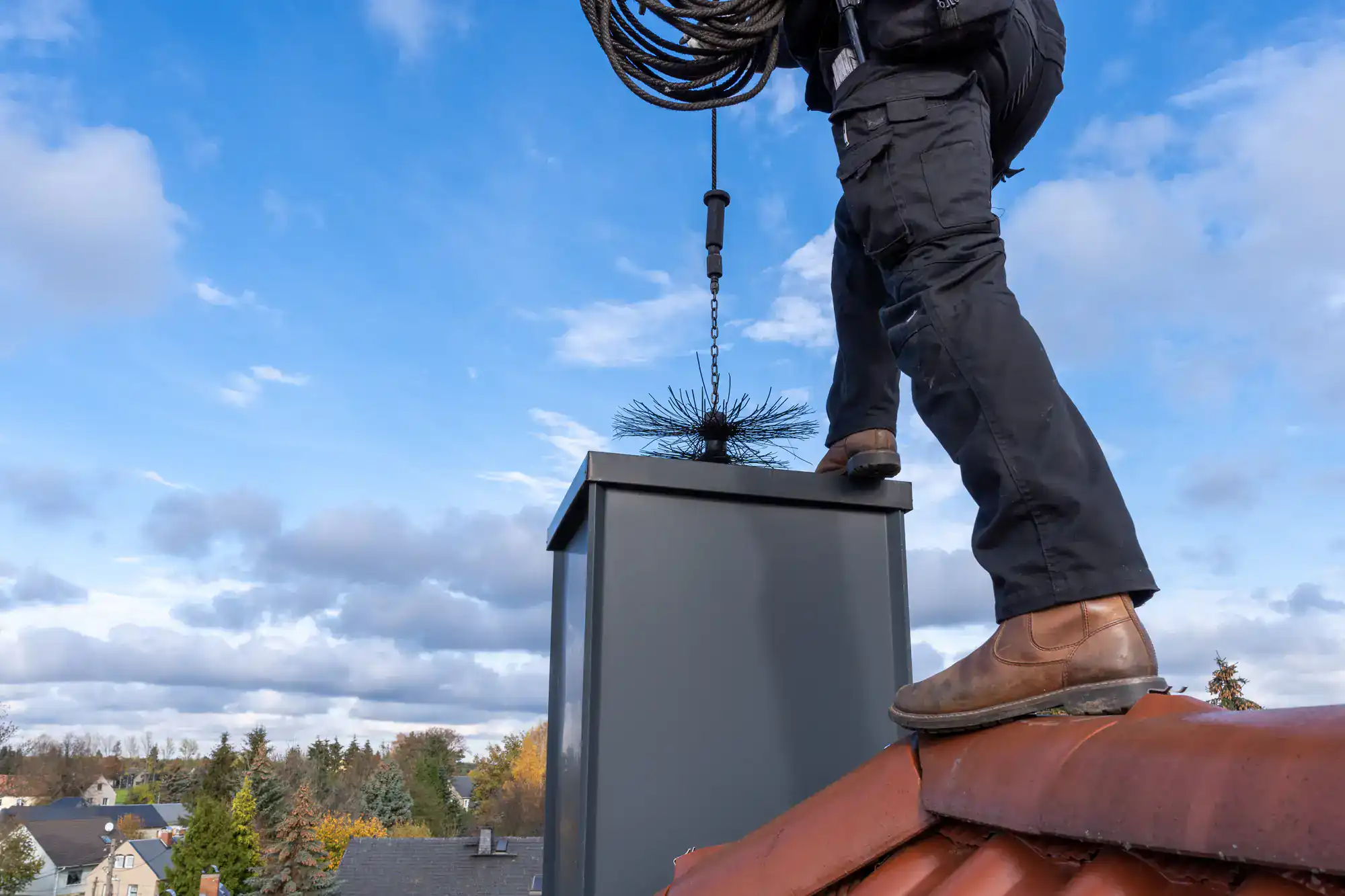
Not every roof problem is an emergency, but some absolutely are. The key difference comes down to one question: Is the damage actively threatening your home or family right now?
Active water intrusion is the clearest red flag. If you’re watching water drip from your ceiling, seeing stains spread in real-time, or finding puddles on your floor during rain, you’re dealing with an emergency. Water doesn’t take breaks, and every hour it pours into your home means more damage to insulation, drywall, framing, and everything else in its path.
Structural concerns fall into the same category. A sagging roofline, visible dips in your roof deck, or sections that look like they’re bowing inward aren’t cosmetic issues—they signal that your roof’s structural integrity is compromised. These situations can deteriorate rapidly, especially if more rain or snow is forecast.
Some warning signs don’t give you the luxury of waiting until Monday morning or shopping around for quotes. These are the situations where picking up the phone needs to happen now, not later.
Water stains that are larger than a basketball demand immediate attention. Small stains might indicate a minor leak that’s been there a while. But large, spreading stains—especially if they’re growing or bulging—mean significant water is accumulating somewhere it shouldn’t be. The drywall might be holding gallons of water, and when it gives way, you’re looking at a ceiling collapse, ruined belongings, and a much bigger repair bill.
Missing shingles after a storm create immediate vulnerability. Your roof’s underlayment isn’t designed to be your primary defense against weather—it’s a backup layer. When shingles blow off, that underlayment is all that’s standing between your home and the next rainfall. Even if it’s not raining right now, the forecast matters. If more weather is coming and your roof is already compromised, you’re gambling with your home.
Visible daylight through your roof boards is never normal. If you’re in your attic and can see sky through gaps or holes in the roof deck, water can get through those same openings. This often happens after storm damage when debris punctures the roof or when deteriorated sections finally give way. These openings need to be covered immediately—even if it’s just a temporary tarp—to prevent water from pouring directly into your attic space.
Sagging or drooping sections indicate structural failure. Period. Roofs are engineered to be flat or follow specific pitch angles. When you see sections that sag, dip, or look like they’re caving in, the underlying structure is failing. This could be from water damage that’s rotted the decking, excessive weight from snow or ice, or damage to the trusses or rafters themselves. These situations can worsen quickly, and in extreme cases, lead to partial roof collapse.
Water running down interior walls points to active infiltration. Sometimes leaks don’t show up on the ceiling—they travel along rafters or through wall cavities and appear as water stains or moisture on interior walls, often near the roofline. If you’re seeing this, especially during or right after rain, water is actively entering your home and finding paths through your structure. The longer this continues, the more extensive the hidden damage becomes.
Not every roof issue requires emergency response, but that doesn’t mean you should put it off indefinitely. These are the problems that give you time to schedule properly, get multiple opinions if you want, and plan the repair—but they still need attention before they escalate into something worse.
Small water stains that aren’t growing fall into this category. If you notice a stain on your ceiling that’s been the same size for weeks, it’s likely from an old leak that may have already sealed itself or only leaks under specific conditions. You should still have it inspected because even resolved leaks can leave damage behind, but you’re not racing against the clock. Document it with photos, monitor it through the next few rain events, and schedule an inspection within the next few weeks.
A few missing or damaged shingles in dry weather can wait for scheduled repair. If you lost three or four shingles last month but the weather’s been dry and more storms aren’t forecast, you have time to get this fixed properly. The underlayment is providing temporary protection, and you can schedule a repair at a reasonable time. Just don’t let this slide for months—the underlayment degrades with UV exposure, and the next storm might cause more damage around the already-weakened area.
Granule loss in gutters signals aging but not immediate crisis. If you’re finding shingle granules collecting in your gutters, your roof is aging and the shingles are deteriorating. This is a sign you should start planning for replacement in the near future, but it’s not an emergency situation. The shingles are still functional; they’re just losing their protective coating. Schedule an inspection to assess overall roof condition and start budgeting for replacement, but you likely have months or even a year or two depending on the extent of the loss.
Minor flashing gaps or small areas of deteriorated sealant need attention but aren’t emergencies if they’re not actively leaking. Flashing around chimneys, vents, and skylights can develop small gaps or cracks over time. If you notice these during a visual inspection but you’re not experiencing leaks, you have time to schedule proper repairs. These areas are vulnerable and will eventually leak, but if they’re not leaking now, you can plan the repair appropriately rather than treating it as an emergency.
Moss or algae growth is primarily cosmetic unless it’s extensive. Dark streaks or green patches on your roof might look bad, but they’re usually not causing immediate harm. Heavy moss growth can eventually lift shingles and hold moisture, but this is a slow process. If you’re seeing significant moss buildup, schedule a cleaning and inspection, but this isn’t a drop-everything situation. It’s a maintenance issue that should be addressed to prevent future problems, not an emergency requiring immediate response.
The key with all these situations is monitoring and timely action. They’re not emergencies today, but ignoring them completely turns them into emergencies tomorrow. Take photos, watch for changes, and get them on the schedule before the next storm season hits Long Island.
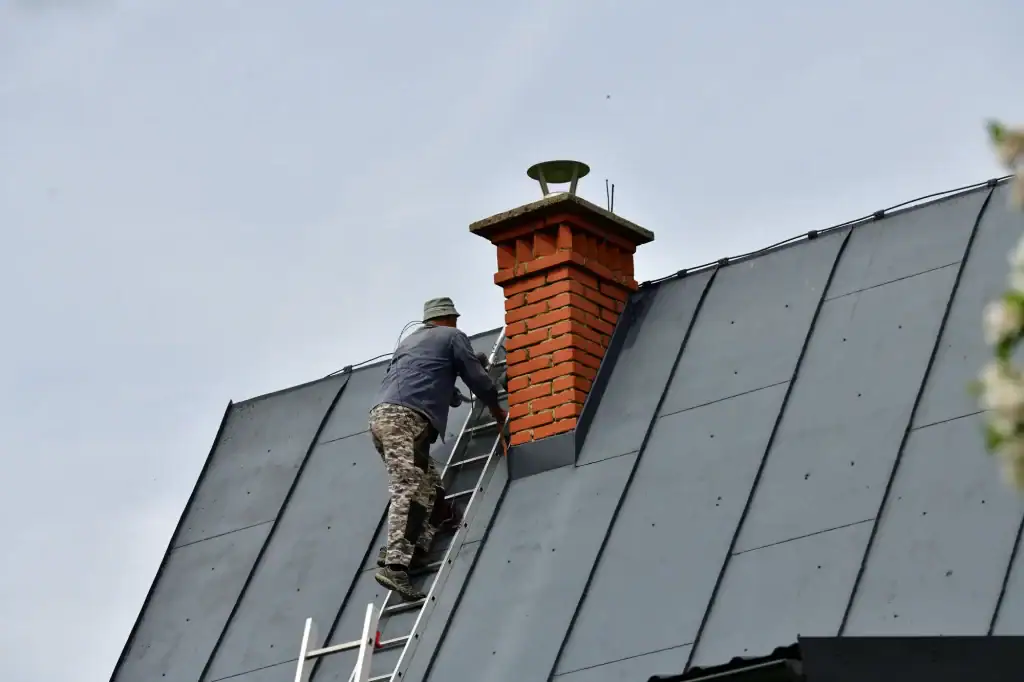
Chimneys fail differently than roofs, and the warning signs are easy to miss if you’re not looking for them. But when chimney problems develop, they can be just as urgent—and just as expensive if you wait.
Water stains on walls or ceilings near your chimney are never a good sign. Unlike roof leaks that are obvious during rain, chimney leaks can be sneaky. The water might be entering through deteriorated mortar joints, a cracked crown, or failed flashing where the chimney meets the roof. By the time you see stains on your interior walls, water has been infiltrating for a while, and you’re likely dealing with hidden damage inside the chimney structure and surrounding walls.
White staining on exterior chimney bricks—called efflorescence—signals moisture problems. This chalky white residue appears when water moves through the masonry, carrying salts to the surface. It’s not just cosmetic. It means water is penetrating your chimney, and in Long Island’s freeze-thaw climate, that water will expand when it freezes, cracking the masonry from the inside out. What starts as white staining can quickly become spalling bricks and structural damage.
Some chimney problems move beyond maintenance issues and become structural emergencies. These are the situations where waiting isn’t an option because the chimney’s integrity is actively failing.
Crumbling or missing mortar between bricks is a serious problem that accelerates quickly. Mortar joints hold the chimney structure together. When they deteriorate, water gets in, the freeze-thaw cycle does its damage, and suddenly you’re losing chunks of mortar. Once this process starts, it speeds up. Each missing section allows more water in, which damages more mortar, which allows even more water in. If you’re seeing mortar falling away or gaps between bricks, this needs repair before the next winter hits Suffolk County.
Spalling bricks—where the face of the brick is flaking or popping off—indicate serious water damage. This happens when water saturates the brick, freezes, and expands, causing the brick face to separate. It’s not just ugly; it’s a sign that the bricks are failing and the chimney structure is compromised. Spalling tends to worsen rapidly once it starts, especially in coastal areas like Long Island where salt air accelerates the deterioration.
Leaning or tilting chimneys are structural emergencies that require immediate professional evaluation. Chimneys are heavy masonry structures that need solid foundations and proper support. If your chimney is visibly leaning away from the house or tilting to one side, the foundation has failed, the structure has shifted, or both. This is dangerous. A leaning chimney can collapse, potentially causing significant damage to your home and serious safety risks. If you notice this, don’t wait—get professional help immediately.
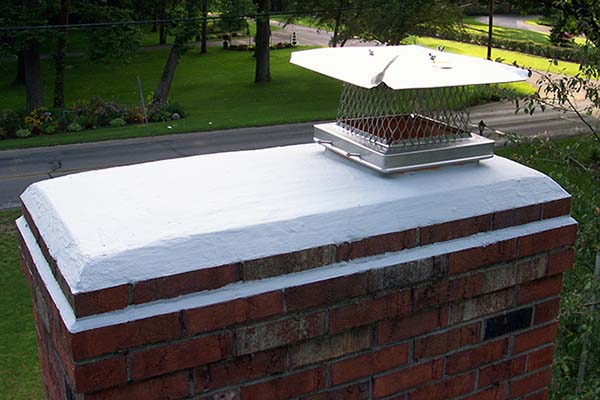
Cracked or deteriorated chimney crowns let water pour directly into the chimney structure. The crown is the cement cap at the top of your chimney, and it’s your first line of defense against water intrusion. When it cracks, every rainstorm sends water into the chimney, where it saturates the bricks, deteriorates the mortar, and can even damage the flue liner. Crown damage is common but serious, and it needs repair before that water damage spreads throughout the entire chimney structure.
Damaged flashing where the chimney meets the roof is one of the most common leak sources. Flashing is the metal seal that prevents water from entering where the chimney penetrates the roof. When it corrodes, pulls away, or gets damaged, water runs straight down the outside of the chimney and into your home. In Long Island’s salt air environment, metal flashing corrodes faster than in other areas, making regular inspection and timely replacement critical.
Finding damage is one thing. Knowing what to do next is another. The right immediate actions can prevent a bad situation from getting worse while you wait for professional help.
Document everything with photos before you do anything else. Take clear pictures of the damage from multiple angles. If it’s a stain, photograph it with something for scale—a dollar bill, a ruler, your hand. If it’s exterior damage, get wide shots showing the location on the roof and close-ups of the specific damage. This documentation helps with insurance claims, gives contractors clear information before they arrive, and creates a record if the damage worsens. Date-stamp the photos if possible.
Contain interior water damage immediately. If water is actively dripping, put buckets or containers under the leaks. Move furniture, electronics, and valuables away from the affected area. If water is pooling on the floor, use towels to soak it up—standing water will damage flooring and can seep into lower levels. If a ceiling is bulging with water, you might need to carefully puncture it to let the water drain in a controlled way, but only if you’re comfortable doing so safely. Otherwise, just contain what you can and keep people away from the area.
Don’t climb on your roof in bad weather or at night. This sounds obvious, but when you’re panicking about a leak, the temptation to “just take a quick look” is strong. Don’t. Roofs are slippery when wet, dangerous in the dark, and not worth risking a fall. If you can safely assess damage from the ground or through an attic window, do that. Otherwise, wait for professionals with proper safety equipment and experience working on roofs in all conditions.
Call a professional roofing contractor before calling your insurance company. This might seem backward, but contractors can assess the damage, document it properly, and give you an accurate understanding of what you’re dealing with. When you call your insurance company with this information, you’ll have a clearer picture of the situation. Many insurance policies also require you to mitigate damage—meaning you need to take reasonable steps to prevent it from getting worse. A contractor can provide emergency tarping or temporary repairs that stop the immediate problem while permanent repairs are scheduled.
If the damage is severe and weather is coming, ask about emergency tarping services. A properly installed tarp can protect your home from further water intrusion for days or even weeks until permanent repairs can be completed. This is especially important if storms are forecast or if the damage is extensive and repairs will take time to schedule and complete. Emergency tarping is often covered by insurance as part of damage mitigation, and it’s one of the most effective ways to prevent a bad situation from becoming catastrophic.
Keep records of everything—photos, contractor visits, and any emergency repairs. Write down who you spoke with, when, and what was discussed. Save all estimates, invoices, and receipts. If you’re filing an insurance claim, this documentation is critical. Even if you’re not, having clear records helps if problems develop later or if you need to prove what was done and when.
The difference between a minor repair and a major disaster often comes down to timing. Knowing which warning signs demand immediate action and which ones give you breathing room makes all the difference in protecting your home and your budget.
Active leaks, structural damage, and extensive storm damage require fast response. Small stains, minor wear, and cosmetic issues give you time to schedule properly. The key is understanding the difference and acting accordingly—not panicking over every small issue, but also not waiting too long when the situation is serious.
Long Island’s coastal climate makes timing even more critical. Salt air, nor’easters, freeze-thaw cycles, and heavy snow all accelerate damage and turn small problems into big ones faster than in other areas. What might be a minor issue elsewhere becomes urgent here.
If you’re facing roof or chimney damage and aren’t sure whether it’s an emergency, we offer 24/7 emergency roof repair in Suffolk County and throughout Long Island to assess the situation and provide the help you need—whether that’s immediate emergency repairs or scheduled service for less urgent issues. With over 20 years serving Long Island homeowners, we understand exactly how local weather affects your home and what it takes to protect it properly.
Article details:
Share:
Continue learning: