
A professional roof inspection does more than check for missing shingles. Discover what inspectors actually examine and why it matters for your Long Island home.
Long Island weather doesn’t mess around. Your roof takes hits from nor’easters in winter, humidity all summer, and coastal storms whenever they feel like showing up. That’s a lot of stress on shingles, flashing, and everything else keeping water out of your house.
Here’s the thing most people miss: roof damage doesn’t announce itself. A small crack in your flashing isn’t going to send you a text. Water can travel along rafters for months before you see a stain on your ceiling. By the time you notice the problem inside, the damage has already spread.
An inspection finds those hidden issues while they’re still small. Think of it like this—fixing a cracked pipe boot costs maybe $200. Ignoring it until water damages your ceiling? You’re looking at $500 to $1,000, possibly more. The inspection itself typically runs $150 to $250. The math makes sense.
When a qualified inspector shows up, they’re not just glancing at your roof from the driveway. They’re conducting a systematic evaluation of your entire roofing system, and that means checking components most homeowners never think about.
The exterior inspection starts with your shingles. Inspectors look for curling, cracking, missing pieces, or granule loss—those little mineral particles that protect the asphalt underneath. Losing too many granules means your shingles are aging faster than they should. They’ll check if shingles are lying flat or if edges are lifting, which happens a lot in high-wind areas like Long Island.
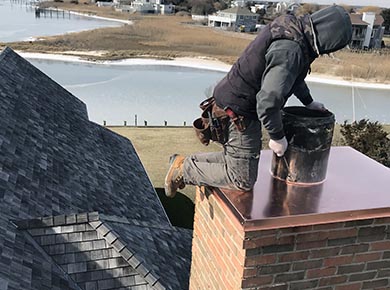
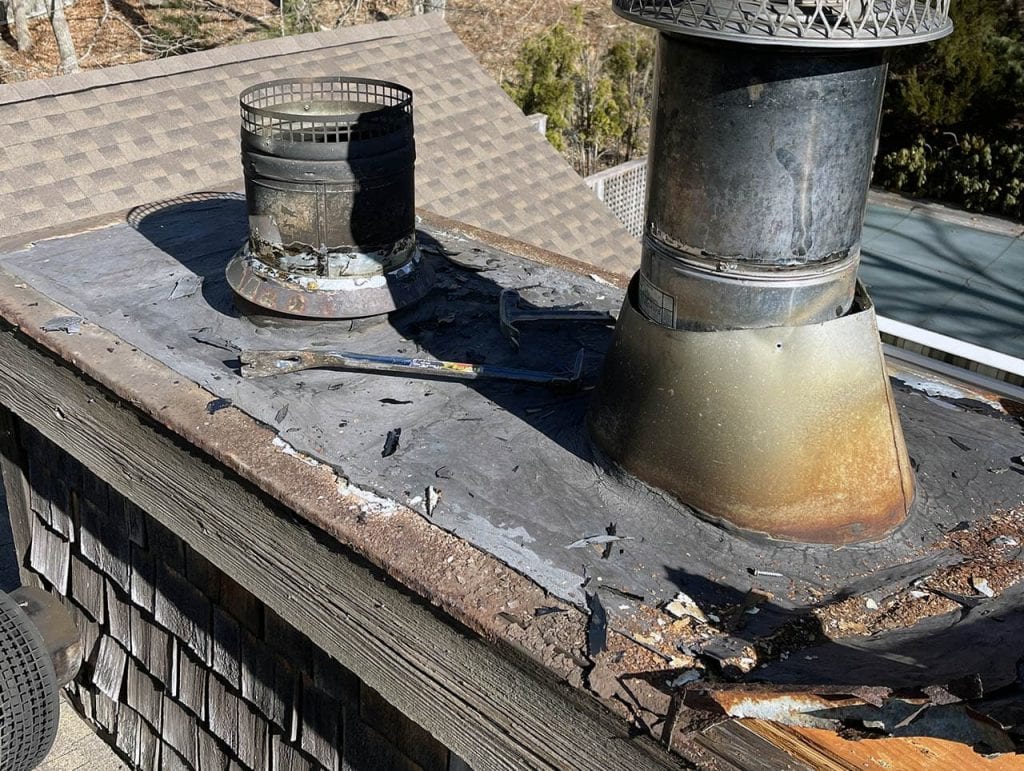
Flashing gets serious attention because it’s one of the most common leak sources. This metal or composite material seals the joints where your roof meets vertical structures—chimneys, vent pipes, skylights, walls. If flashing pulls away, cracks, or corrodes (salt air accelerates this), water finds its way in. Inspectors examine every flashing point, looking for gaps, rust, or improper installation.
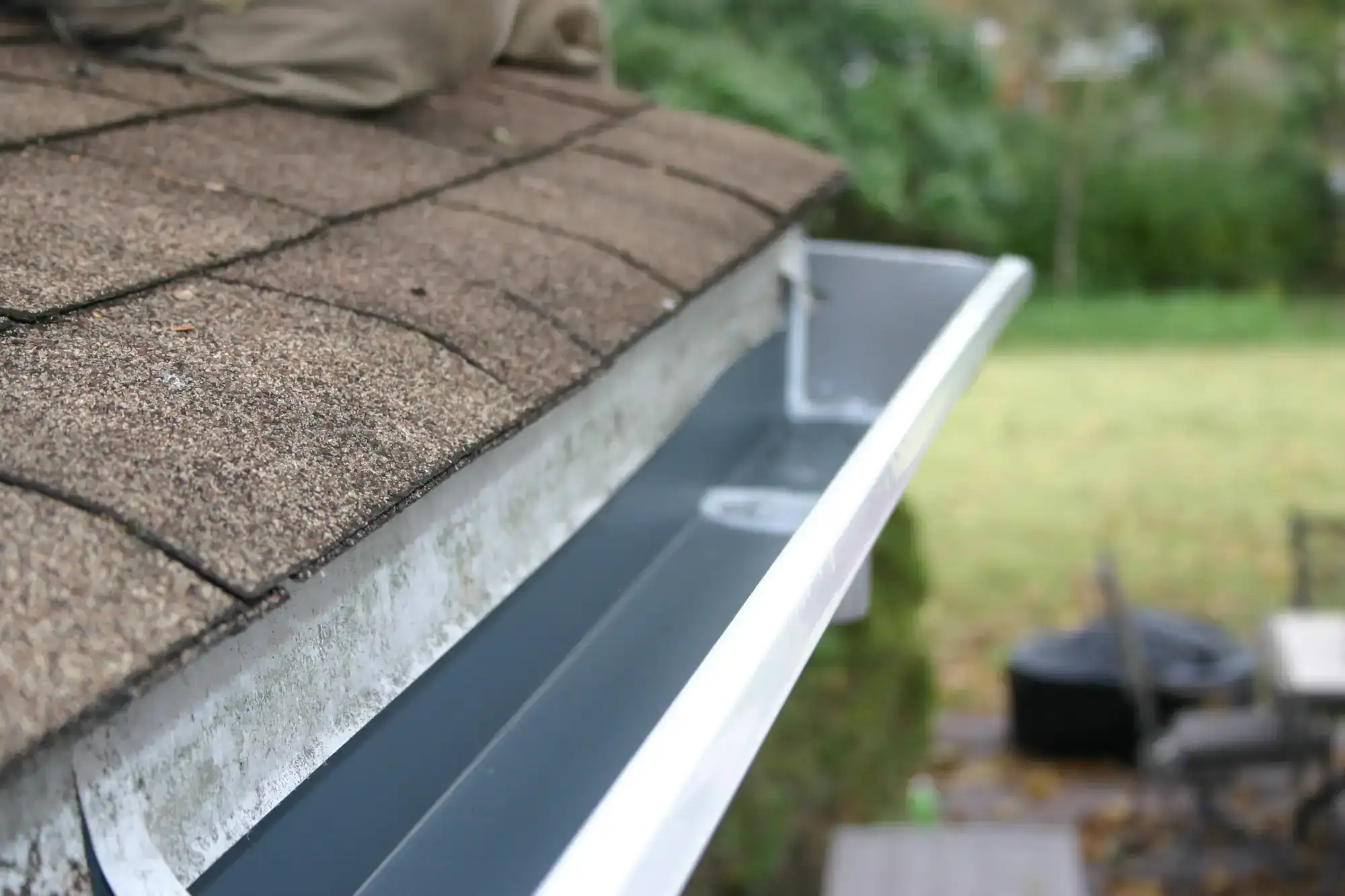
Your gutters and drainage system matter more than you might think. Clogged gutters cause water to back up under your roof edge. In winter, that backup freezes and creates ice dams—a major problem in Long Island. Inspectors check that gutters are clear, properly aligned, and securely attached. They’ll also look at downspouts to confirm water is actually draining away from your foundation.
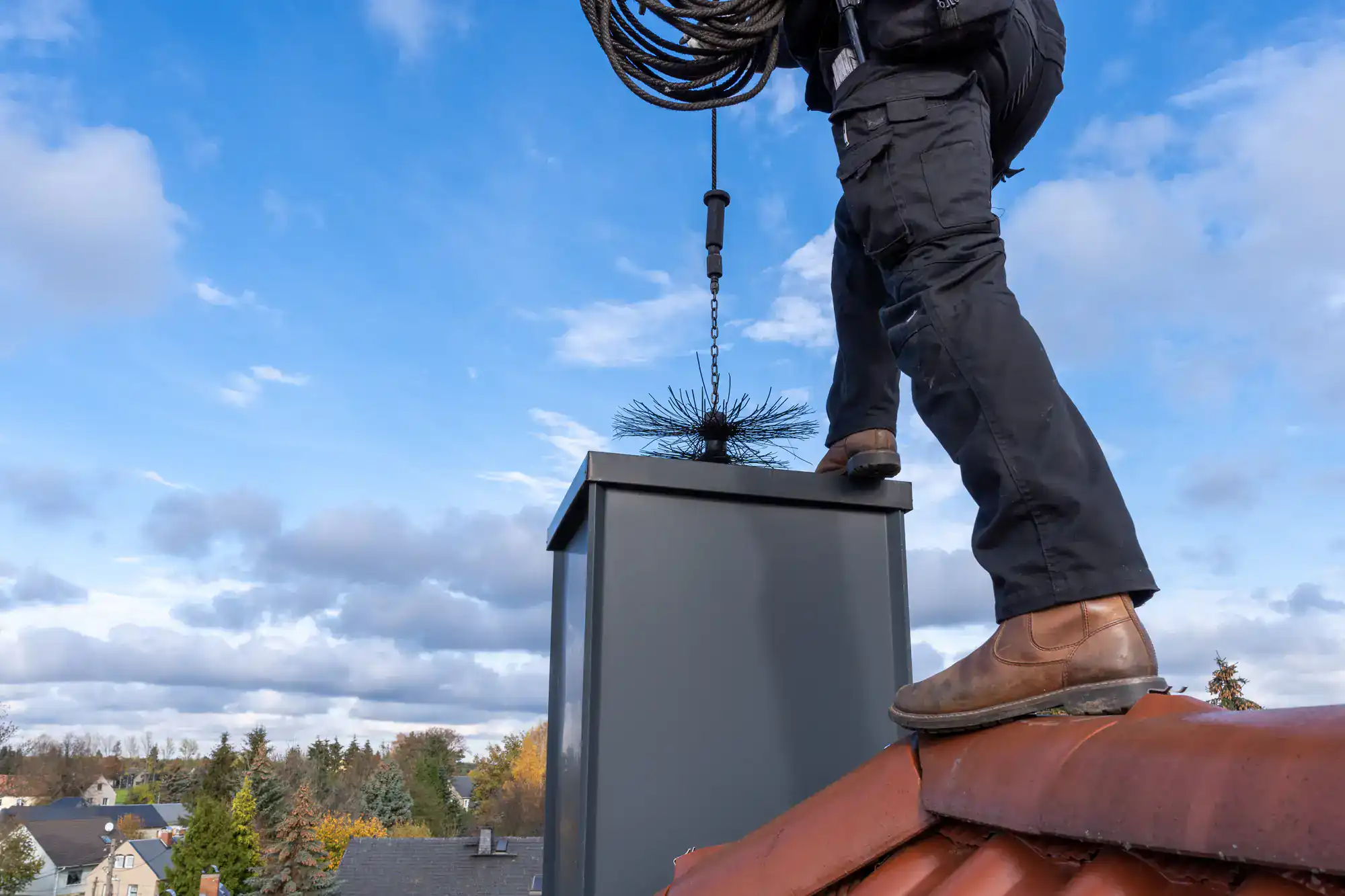
Roof penetrations—vents, pipes, chimneys, skylights—are weak points by design. Every hole in your roof is a potential entry point for water. Inspectors examine the seals and boots around these penetrations, checking for cracks, gaps, or deterioration. They’ll look at chimney crowns and caps, vent pipe boots, and skylight seals.
The structural assessment happens both outside and inside. From the exterior, inspectors look for sagging, uneven planes, or soft spots that indicate deck damage. Inside your attic, they’re checking for water stains, mold, proper ventilation, and adequate insulation. Poor attic ventilation causes heat buildup that ages your roof faster and contributes to ice dam formation. They’ll also look for daylight coming through the roof deck—a clear sign of holes or gaps.
Understanding what happens during your inspection helps you know what to expect and what questions to ask. Professional inspectors follow a methodical process designed to catch both obvious problems and hidden issues.
Most inspections start with an exterior ground-level assessment. The inspector walks around your property, using binoculars or a camera with zoom capabilities to scan the roof from multiple angles. This initial survey identifies visible damage—missing shingles, damaged flashing, debris accumulation—and helps them plan the closer inspection.
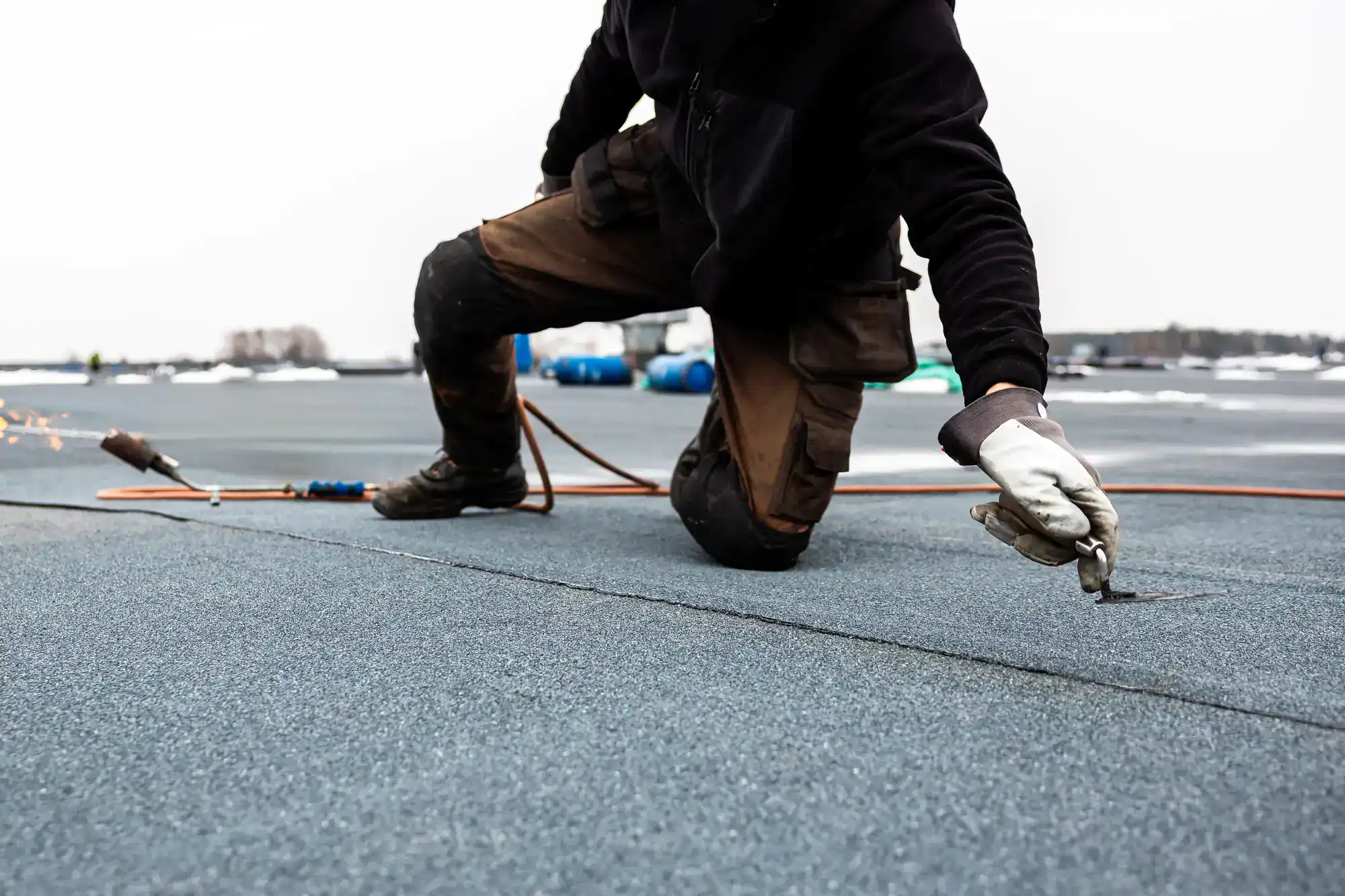
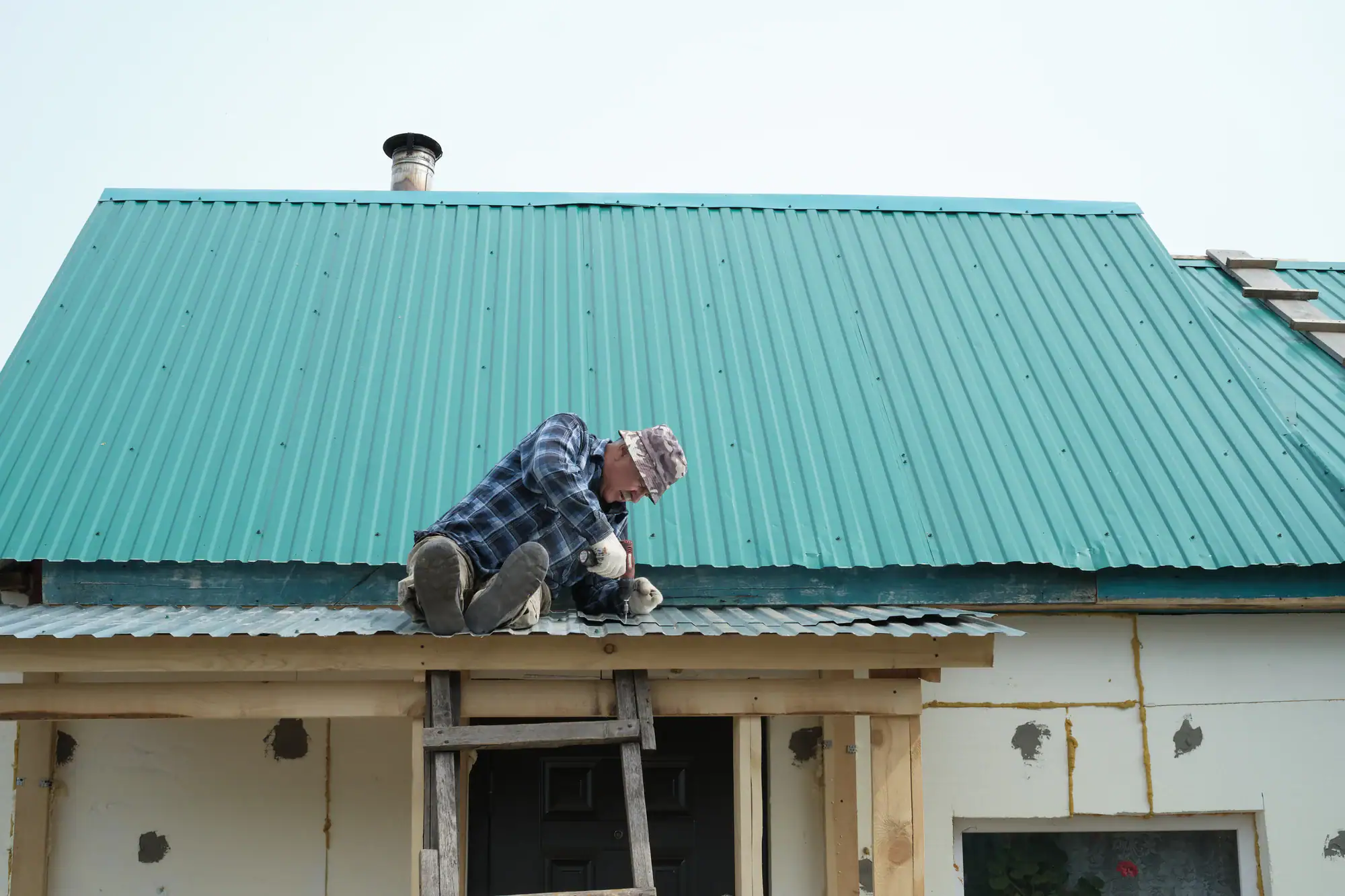
Next comes the physical roof inspection. For accessible roofs, inspectors will climb up and walk the surface, examining materials up close. They know how to move safely and how to check shingles without causing damage. For steep or fragile roofs, many professionals now use drones equipped with high-resolution cameras. This technology provides detailed views of hard-to-reach areas without the safety risks.
The attic and interior inspection is equally important. Your inspector will enter the attic space to examine the underside of your roof deck, looking for water stains, mold growth, proper insulation, and ventilation issues. They’ll check for signs of pest infiltration and structural problems. This interior view often reveals problems that aren’t visible from outside.
Some inspectors use advanced technology for more detailed assessments. Infrared cameras detect temperature variations that indicate trapped moisture or insulation problems. Moisture meters measure water content in materials, helping pinpoint active leaks. Electronic leak detection systems can identify breaches in roofing membranes with pinpoint accuracy.
The entire process typically takes 45 minutes to a few hours, depending on your roof’s size, complexity, and accessibility. After the inspection, you’ll receive a detailed report documenting findings with photos, descriptions of any issues discovered, and recommendations for repairs or maintenance. This report becomes valuable documentation for insurance purposes, warranty compliance, and future reference.
Good inspectors don’t just hand you a report and leave. They’ll walk you through the findings, explain what the problems mean, and help you understand which issues need immediate attention versus what can wait. They’ll provide repair estimates and timelines, giving you the information you need to make informed decisions about your roof.
There’s no one-size-fits-all answer, but industry experts generally recommend at least one professional inspection per year. Many roofing professionals suggest twice yearly—once in spring to assess winter damage, and once in fall to prepare for the coming cold season.
Your roof’s age matters. Newer roofs with minimal tree coverage might only need inspection every few years if weather conditions stay mild. But once your roof hits the halfway point of its expected lifespan, annual inspections become more important. Older roofs benefit from twice-yearly checks.
Long Island’s climate pushes most homeowners toward the annual or bi-annual schedule. The combination of harsh winters, coastal storms, and humidity creates conditions that accelerate wear. You’re also dealing with salt air if you’re near the coast, which corrodes metal components faster than inland areas experience.
Certain situations demand an inspection right away, regardless of your regular schedule. After any major storm—nor’easters, hurricanes, severe thunderstorms with hail or high winds—you should have your roof checked within 48 hours if possible. Storm damage isn’t always obvious from the ground, and quick documentation helps if you need to file an insurance claim.
If you notice any signs of a leak inside your home, don’t wait. Water stains on ceilings or walls, musty odors, bubbling paint, or damp spots in the attic all indicate water is getting in somewhere. The visible damage inside is usually just the tip of the iceberg. An inspection traces the leak to its source so repairs can address the actual problem, not just the symptoms.
Buying or selling a home triggers the need for an inspection. If you’re purchasing, you want to know exactly what condition the roof is in before you commit. Sellers benefit from recent inspection reports too—they demonstrate transparency and can speed up transactions. Some insurance companies now require roof inspections before issuing or renewing policies, especially for older homes or in storm-prone areas.
You should also schedule an inspection if you’ve had roofing work done, either repairs or a full replacement. This verification ensures the work was completed properly and meets building codes. It’s particularly important if you changed roofing materials or if the work was done by a contractor you’re not familiar with.
Visible signs of damage warrant immediate attention. If you can see missing or damaged shingles from the ground, if your gutters are sagging or pulling away, if you notice granules collecting in downspouts, or if your roof looks like it’s sagging anywhere—call for an inspection. These visible problems often indicate larger issues underneath.
The real value of an inspection isn’t just knowing what’s wrong—it’s understanding what to do about it. Not every issue requires immediate action, and not every problem means you need a new roof. A good inspection helps you prioritize repairs based on urgency and budget.
Minor issues caught early usually need simple, affordable fixes. A few cracked shingles, a small section of damaged flashing, or a worn pipe boot can typically be repaired for a few hundred dollars. These repairs prevent bigger problems from developing. Your inspector will identify which issues fall into this category and provide timeline recommendations.
Moderate problems might not be emergencies, but they shouldn’t wait too long. Widespread granule loss, multiple areas of flashing damage, or ventilation issues that are affecting your attic fall into this middle category. You might have a few months to plan and budget, but you don’t want to push it past the next season. Your inspection report helps you understand the timeline and potential consequences of delaying repairs.
Serious damage requires prompt action. Structural issues, active leaks, extensive water damage in the attic, or widespread shingle failure can’t wait. These problems will get worse quickly, and the longer you wait, the more expensive repairs become. In some cases, the damage is extensive enough that replacement makes more financial sense than repair.
Your inspector should help you understand the cost-benefit analysis. Sometimes a roof that’s near the end of its lifespan will need expensive repairs. In those cases, investing thousands in repairs doesn’t make sense when a replacement would give you decades more protection. Other times, what looks like major damage is actually repairable at reasonable cost. Having that expert guidance helps you make the right call.
Insurance considerations also factor into repair decisions. If storm damage is involved, your inspection report becomes crucial documentation for your claim. Inspectors can identify which damage is storm-related versus normal wear and tear, helping you navigate the insurance process. They can also verify that repairs meet insurance requirements and building codes.
The inspection report gives you leverage when getting repair quotes. You’ll know exactly what needs fixing, so you can compare estimates accurately. You’ll also spot if a contractor is trying to sell you unnecessary work or if they’re missing problems the inspection identified.
Your roof is working hard every day, and Long Island’s weather isn’t making it easy. Regular professional inspections give you the information you need to keep that roof doing its job for years to come. You’ll catch small problems before they become expensive disasters, maintain your insurance coverage and warranty compliance, and have peace of mind knowing exactly what’s happening up there.
The inspection process itself is straightforward—a qualified professional examines your entire roofing system, documents the findings, and gives you clear recommendations. Whether you need a routine annual checkup or an immediate post-storm assessment, that professional evaluation is an investment that typically pays for itself many times over.
Don’t wait for a leak to tell you something’s wrong. For over 20 years, we’ve been helping Long Island homeowners protect their most important investment with thorough, honest roof inspections and expert repairs.
Article details:
Share:
Continue learning: