
Learn to identify roof leak warning signs before they become expensive disasters, plus get expert advice on what Long Island homeowners should do next.
Water stains aren’t just cosmetic—they’re obvious red flags that water is getting into your home. On white ceilings, these stains look like yellowish or rust-colored rings with darker edges. You might also notice bubbling or peeling paint, or sagging spots in the drywall.
Keep an eye out for mold or mildew on your home’s exterior walls. This could indicate water has been getting in through your roof for some time. Mold and mildew can cause serious health issues if left unchecked, so investigate the source and take action immediately.
Damp or musty odors in your home can clearly indicate a leaking roof. When water remains in one place for an extended period, it creates a breeding ground for mold, leading to unpleasant odors and potential health hazards.
Water stains have a dark ring on the outside and discoloration on the inside. If you see one on your ceiling, you likely have a roof leak. If the leak isn’t addressed, water damage can spread throughout the structure of your home.
Here’s what most Long Island homeowners don’t realize: water leaks can be extremely deceiving. The spot where you see water and stains is often a long way from the actual roof damage. Some leaks can travel from the actual entry point up to 50 feet before becoming apparent inside the structure.
Start your inspection around vents, skylights, or light fixtures—these are common trouble spots if flashing or seals fail. Don’t assume the leak is directly above the stain. Water follows the path of least resistance, often traveling along roof decking or rafters before dripping into your living space.
The key is acting quickly. Minor roof repairs like sealing flashing or replacing a few shingles cost between $150 and $500. Moderate repairs range from $500 to $1,500. But if water damage spreads to insulation, drywall, or structural framing, you could face a total bill of $3,000 to $10,000 or more. That’s why it pays to catch and fix leaks early.
Your attic is ground zero for spotting hidden roof leaks. If pipes in the attic are rusting or feel damp, rainwater could be entering through faulty flashing, vents, or cracked seals. Inspecting your attic during or right after heavy rain can help catch issues early.
Look for any spots in the attic where daylight is coming through the roof boards. Daylight coming through your attic is a clear warning sign that you need a new roof. While you’re up there, check for wet insulation, which often appears darker or compressed compared to dry insulation.
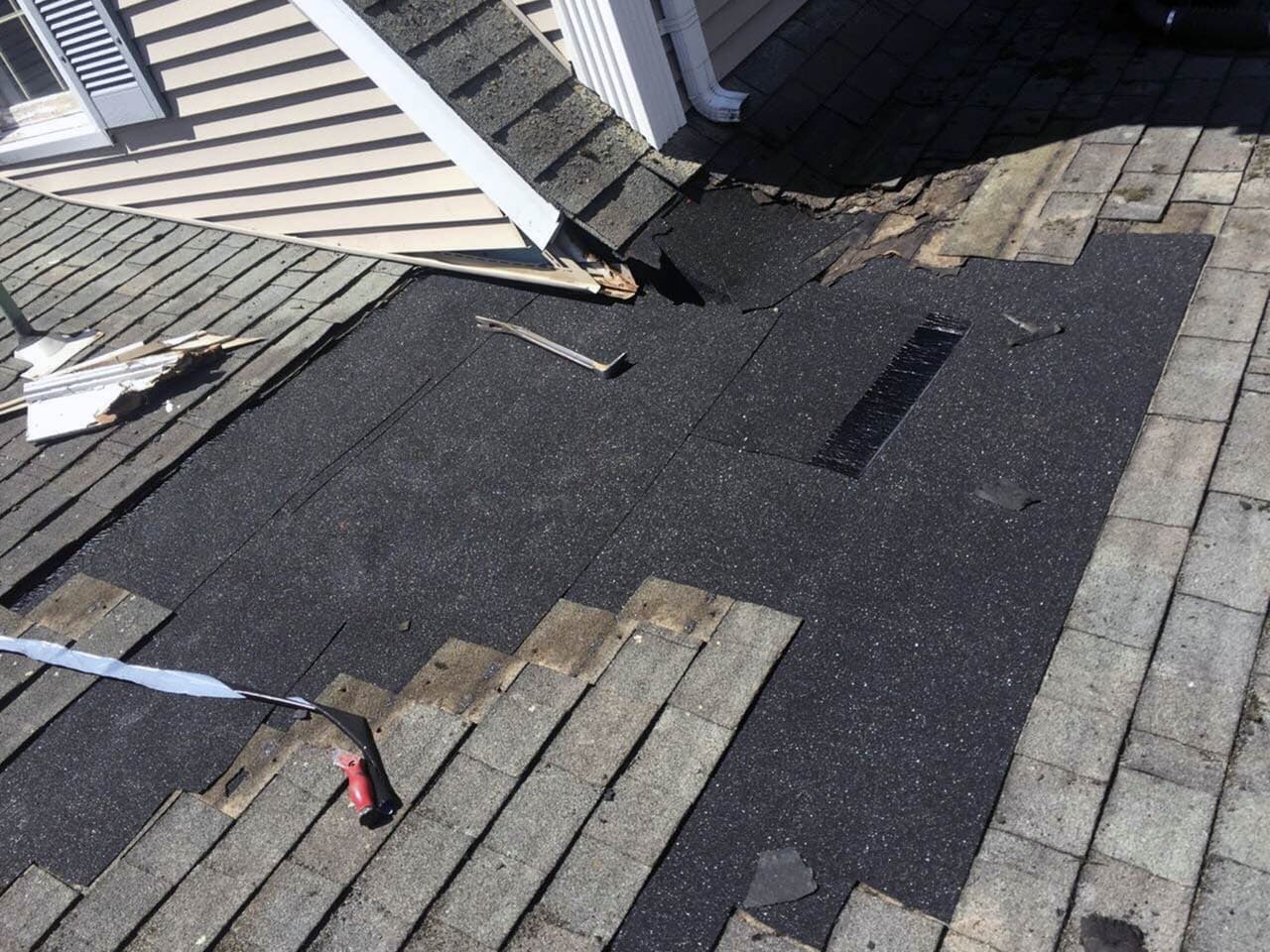
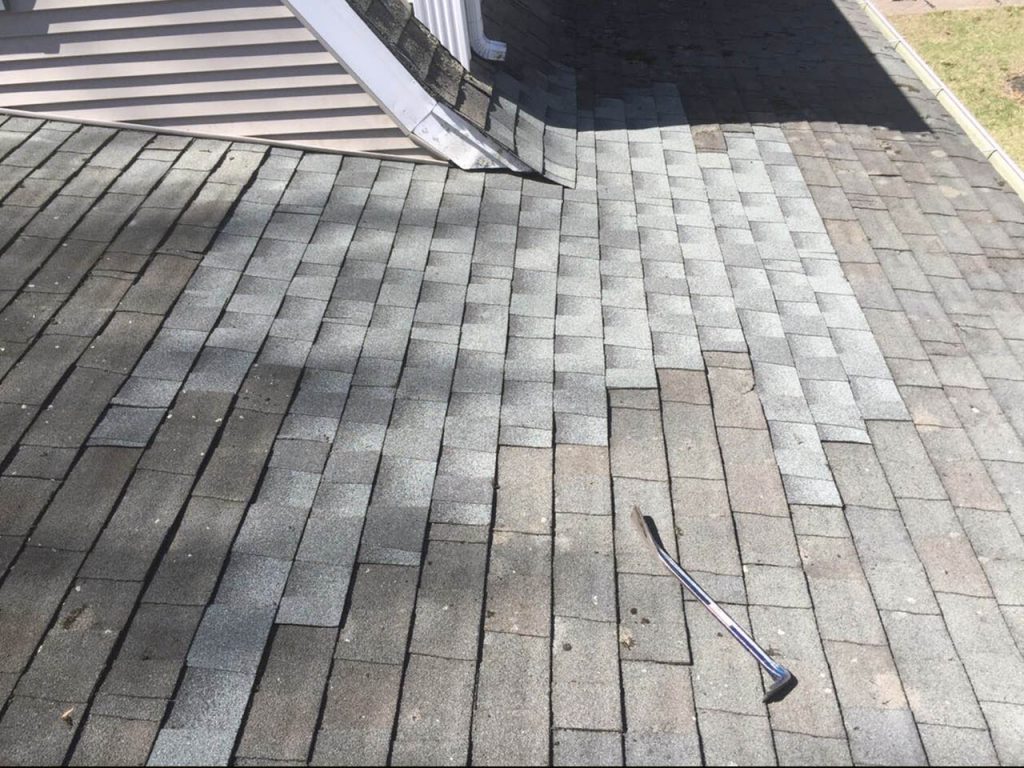
Outside your home, take a look at your roof from ground level. Are there any shingles missing, cracked, or curling up at the edges? When shingles are damaged or blown off by wind, they expose your underlayment and roof deck to the elements, allowing water to sneak in. Regular inspections after storms can help prevent this common cause of roof leaks.
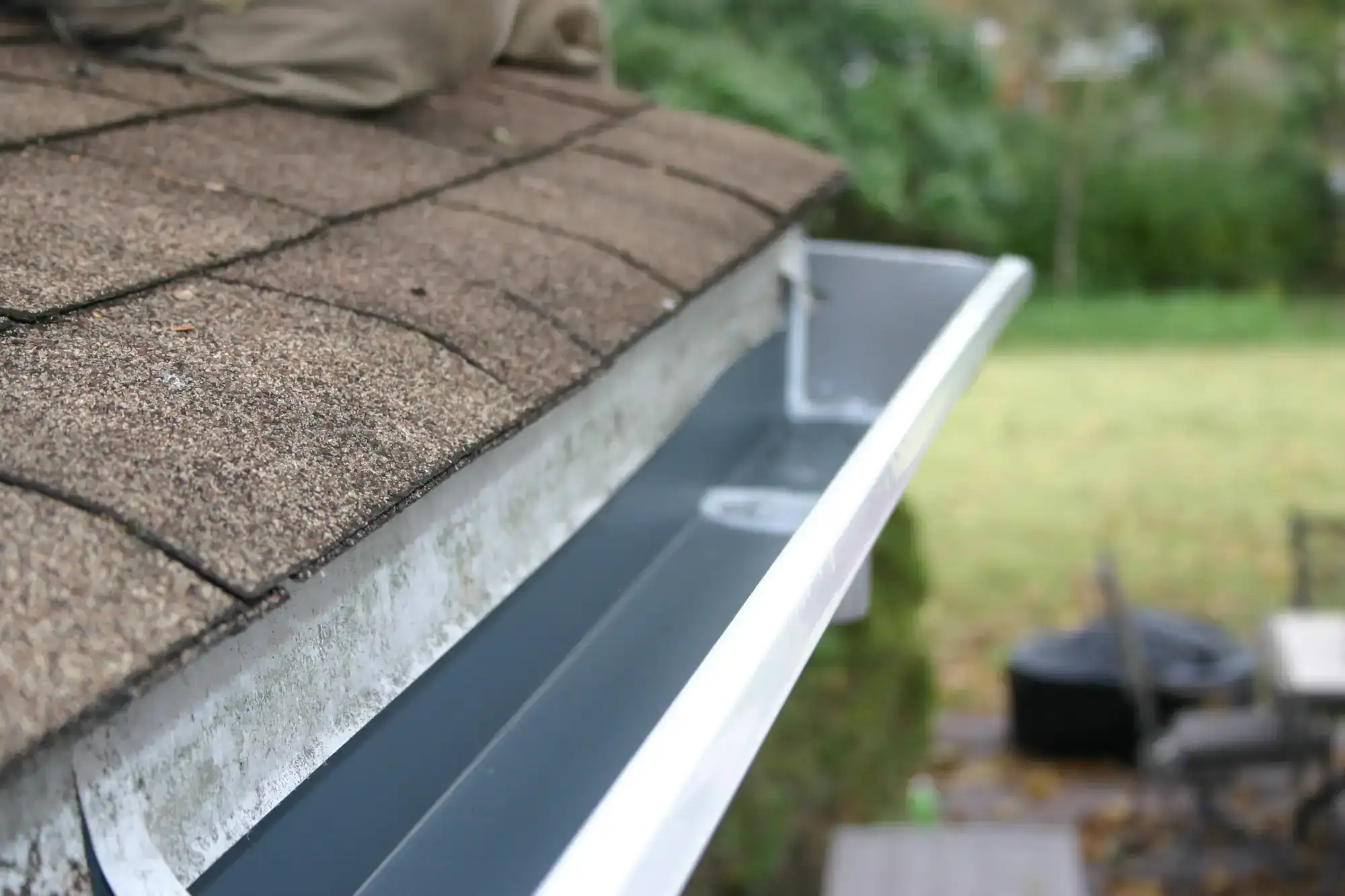
Granules are the coating on the exterior of asphalt shingles, serving as protection. If you find these granules in your gutters, this indicates deteriorating shingles. Aside from deteriorating shingles that can lead to leaking, granules accumulating in gutters can cause blockages, leading to improper drainage that can damage your home’s foundation.
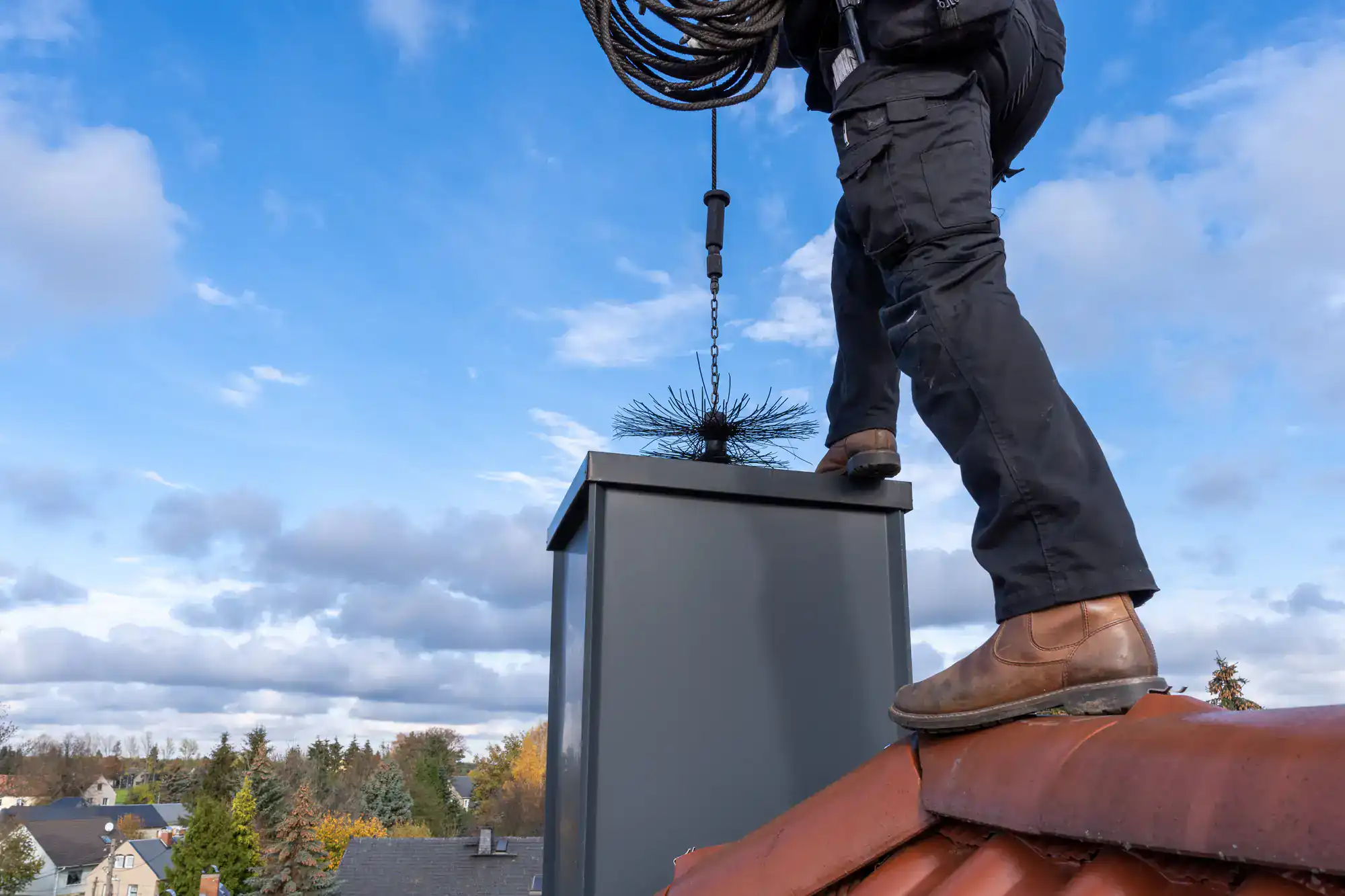
Don’t forget about your chimney and flashing. All kinds of problems can happen around brick chimneys. Flashing around chimneys can rust through if it’s galvanized steel, especially at the 90-degree bend at the bottom. These areas are particularly vulnerable during Long Island’s harsh winters and summer storms.
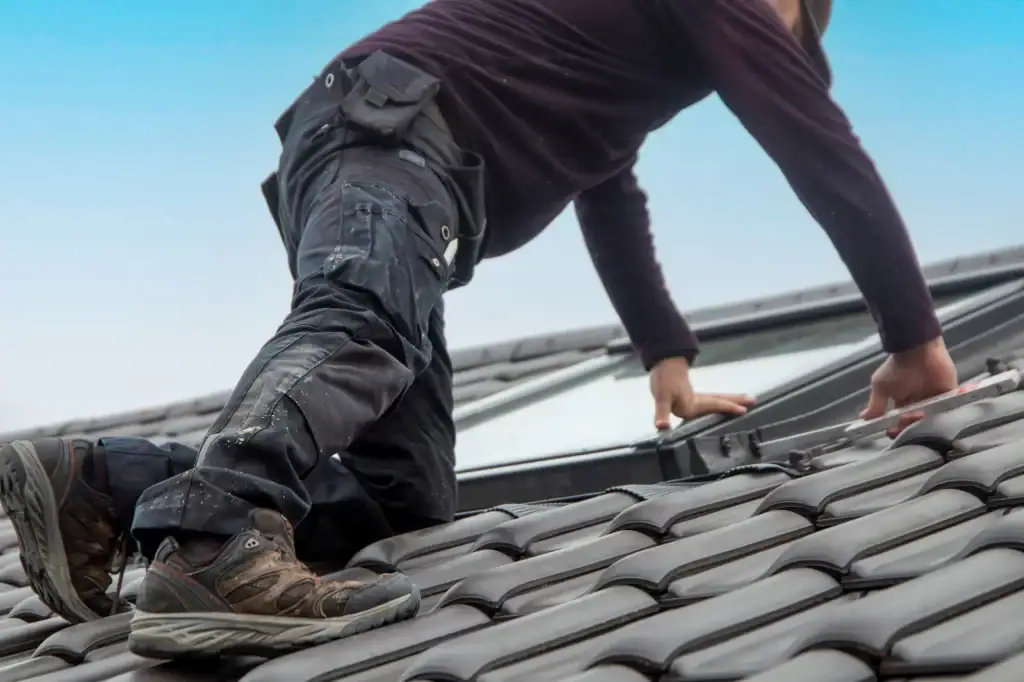
Time is of the essence when you have a leak. The key to protecting your most valuable asset and maximizing your savings is to properly identify what’s causing the leak and repair it quickly.
Unless you have extensive roofing experience, you should call a professional to handle roof leak repairs. The cause of a leaky roof isn’t always obvious, and a licensed roofer will be able to pinpoint the problem, determine the extent of the damage, and repair any damaged material to stop the leak.
Don’t risk going onto your roof and searching for the source yourself. Professional roofers are familiar with the tricks that water can play. We have the tools, experience, and safety equipment to diagnose problems correctly the first time.
If you discover an active leak, don’t panic, but do act quickly. If you notice a smaller leak, you can tape a piece of string with a bucket underneath. The water should travel down the string and into the bucket, which should prevent the water from flooding your floor. If it’s a slightly larger leak, you can try drilling a hole into where the water is collecting to help the water escape. You want to prevent your ceiling from fully collapsing.
Document everything with photos. Having photos of all damage in your home, including to items like furniture, can come in handy if you file a claim with your homeowner’s insurance company. Take pictures of water stains, damaged belongings, and any visible exterior damage to your roof.
Move valuable items away from the leak area. Water damage can spread quickly, and electronics, furniture, and important documents need protection. If water is actively dripping, place buckets or containers to catch it and prevent further floor damage.
Contact a professional roofing contractor immediately. If you spot any signs of a roof leak, it’s best to call a local roof leak repair professional as soon as possible. The longer your roof has a leak, the more damage it will do. A professional should investigate any sign of water intrusion to determine the source and make any necessary repairs.
Nearly 50% of all reported “roof leaks” are not actually caused by problems with the roofing system but rather by other waterproofing issues that can quickly create leaks and costly damage. Professional leak specialists will examine your home for potential design and maintenance issues and quickly and accurately identify leaks rather than improperly diagnose and conclude that expensive roof replacement is necessary.
This is especially important for Long Island homeowners. Leaks that occur only under specific wind conditions are often found in air conditioning ducts, walls, and roof edges. Leaks that appear only during hot summer days may be related to rooftop air conditioners, ducts, and fans. An imbalance between exhaust vents and intake vents, along with improper maintenance, can cause rain to be drawn into a building. These leaks are challenging to fix due to their infrequency and lack of knowledge related to air handlers, leading many roofers to make unnecessary and costly repairs.
Experienced roofers know how to find a roof leak safely and quickly. We understand that there are different types of leaks and many possible causes. Leaks can be caused by damaged roofs, gutter and fascia systems, damaged siding, plumbing fixtures, condensation lines, HVAC equipment, masonry walls or faulty skylights. Often a combination of factors leads to their occurrence.
We also understand Long Island’s specific challenges. Homes with chimneys tend to lead to leaky roofs more often than homes without chimneys. Usually when it rains hard, there are also strong winds causing the rain to blow sideways. With horizontal rain, it’s easier for water to slip into cracks and crevices in your roof and shingles that may not be exposed to lighter rain.
A qualified roofing contractor will provide a thorough inspection, accurate diagnosis, and appropriate repair recommendations. We’ll also ensure all work meets local building codes and comes with proper warranties for your peace of mind.
The good news is that you can look out for many signs of a roof leak and help you take action before the damage gets worse. Early detection and repair of a leaking roof will save you time, money, and stress.
According to the National Roofing Contractors Association, homeowners should perform regular roof inspections twice a year, especially in the wake of winter weather like ice and snow accumulation. While you work to remove debris from rooftops, drains, gutters and downspouts, take some time to check for signs of storm, wind, hail or water damage.
For Long Island homeowners, this means staying vigilant after nor’easters, summer storms, and during the spring thaw. Your roof is your home’s first line of defense against the elements, and catching problems early can save you thousands in repairs. If you notice any warning signs or have concerns about your roof’s condition, don’t wait—contact Expressway Roofing and Chimney Inc for a professional inspection and peace of mind.
Article details:
Share:
Continue learning: