
Planning a deck for your Long Island home? Learn which materials handle coastal weather, what features add real value, and how professional installation protects your investment.
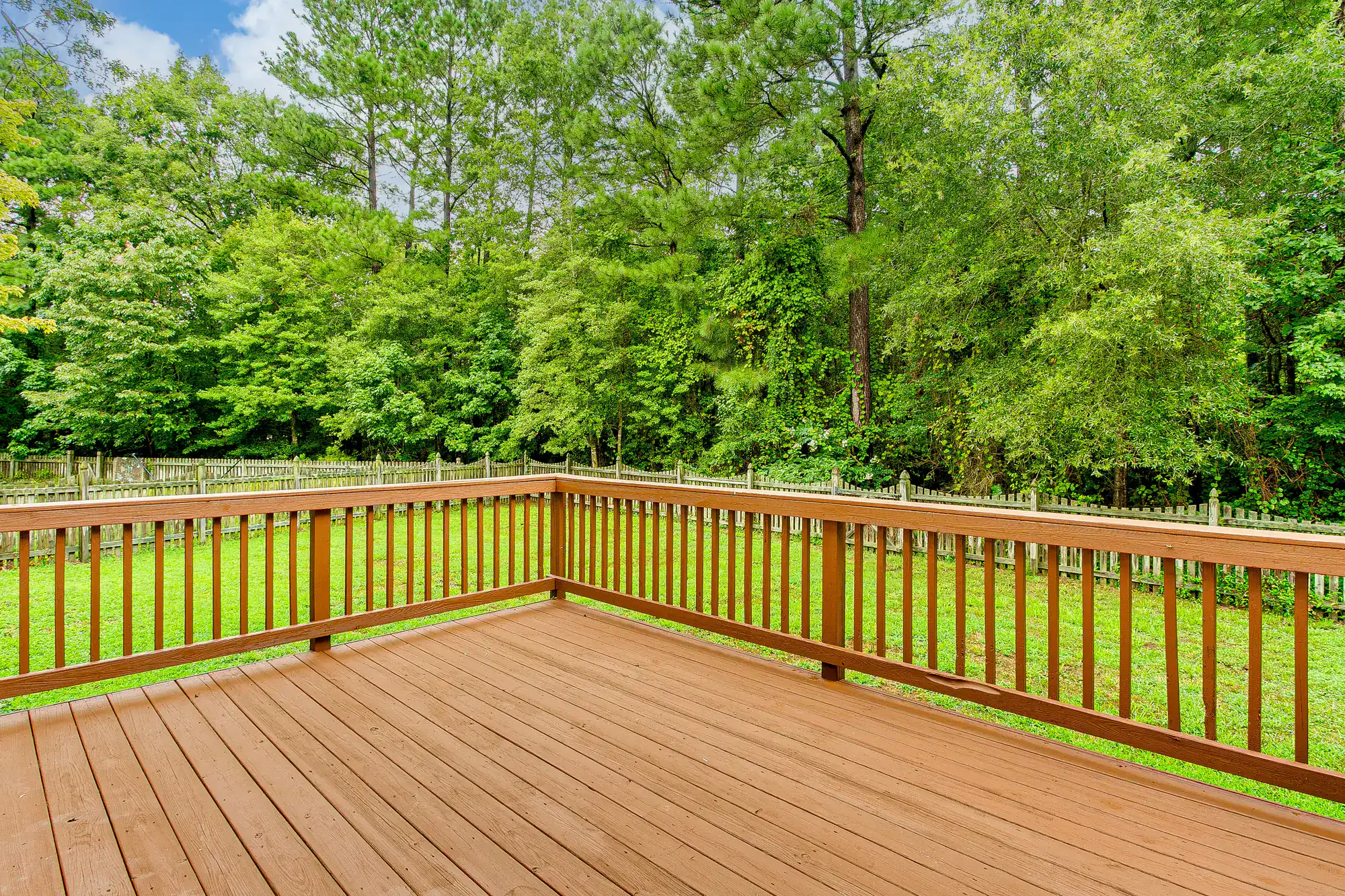
Not every decking material works here. What performs well in Arizona or Ohio might fail within a few years on Long Island.
Salt air corrodes fasteners and degrades certain wood types faster than you’d expect. Humidity causes swelling and rot. Winter freezes followed by spring thaws create expansion and contraction that splits boards and loosens connections.
You’re choosing between three main categories: traditional wood, composite decking, and PVC. Each has specific trade-offs for our environment. Understanding how they perform in coastal conditions helps you avoid expensive do-overs.
PVC decking is completely synthetic—no wood fibers at all. It doesn’t absorb water, which matters when you’re dealing with Long Island’s humidity and occasional coastal flooding. The material resists salt air damage that would corrode wood or even some composites over time.
Maintenance is minimal. You’re washing it occasionally with soap and water, not staining or sealing every year. PVC won’t splinter, which matters if you have kids or you like walking barefoot. It keeps its color longer than composite because there’s no organic material to fade or grow mold.
The downsides are real. PVC costs more upfront than pressure-treated wood—sometimes significantly more. It can get hot underfoot in direct summer sun, especially darker colors. Some people don’t like the feel or look compared to real wood, even though newer PVC products mimic wood grain pretty well.
Wood offers that natural appearance people love. Pressure-treated lumber costs less initially. Cedar and redwood have natural oils that resist some decay. But wood demands constant attention in our climate. You’re staining or sealing every one to two years. You’re replacing rotted boards. You’re dealing with splinters and warping.
The annual maintenance cost for wood runs $500 to $1,000 when you factor in materials and time. Over ten years, that adds up to more than the upfront cost difference between wood and PVC. You’re also spending weekends maintaining instead of using your deck.
For coastal Long Island specifically, PVC handles salt exposure better than anything else. If your home is close to the water or you get regular salt spray, that resistance matters more than in other locations.
Composite decking combines wood fibers with plastic, giving you something that looks more natural than PVC but requires less maintenance than wood. Quality composite resists fading, staining, and mold growth that would destroy traditional wood in Long Island’s humid summers.
The material doesn’t need annual staining or sealing. You’re cleaning it once or twice a year with a hose and mild cleaner. Most composite products come with 25 to 30-year warranties covering fade and stain resistance, which tells you something about how manufacturers expect them to perform.
Composite handles moisture better than wood but not quite as well as PVC. Uncapped composite can absorb some water, leading to minor expansion and contraction. Capped composite—where a protective shell wraps the core—solves most of that issue and performs much better in coastal environments.
Temperature changes affect composite. It expands and contracts more than PVC, which means proper installation with correct spacing matters. A contractor who doesn’t account for this creates problems down the line—boards that buckle in summer heat or gaps that widen too much in winter cold.
Cost falls between wood and PVC. You’re paying more than pressure-treated lumber but less than premium PVC products. When you factor in the lack of ongoing maintenance, composite often makes the most financial sense over the deck’s lifetime.
Composite comes in more color and texture options than PVC, which appeals to homeowners who want specific aesthetics. The wood-grain patterns look more convincing than most PVC alternatives, though that gap is narrowing as PVC technology improves.
One thing to watch: cheaper composite products don’t perform as well as premium lines. The quality difference is significant. If you’re comparing prices, make sure you’re looking at similar product tiers, not just the lowest-cost option from each category.
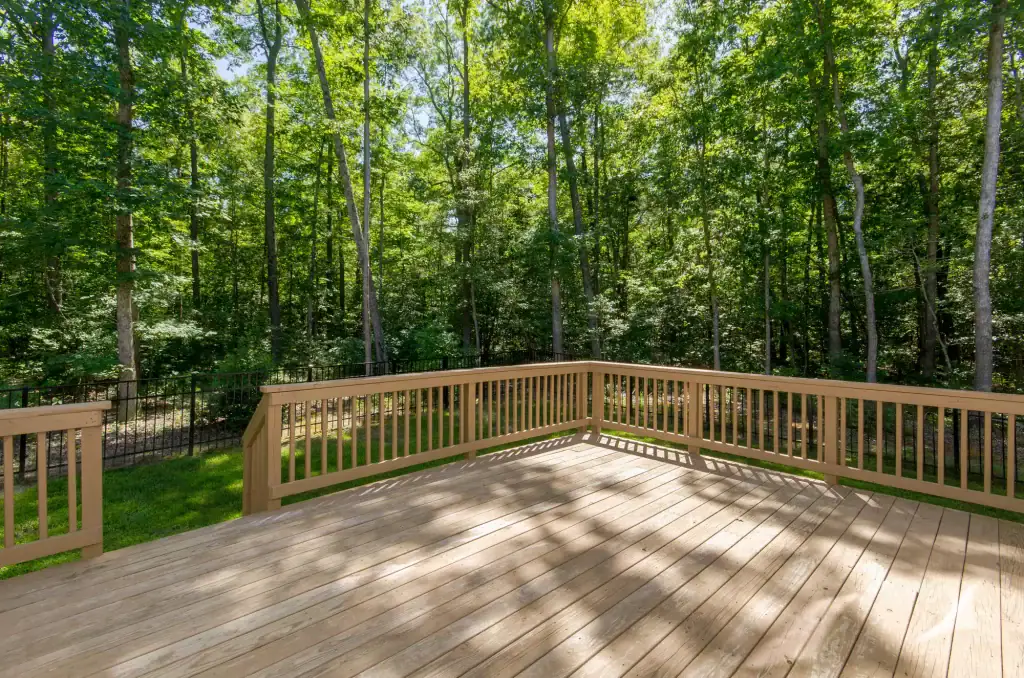
A flat platform with stairs doesn’t cut it anymore. Decks function as outdoor rooms now, which means thinking about how you’ll actually use the space.
Built-in features add functionality without cluttering your deck with furniture that blows around in storms or needs constant rearranging. They also tend to look more intentional than afterthought additions.
The features that make the most sense depend on how you plan to use your outdoor space. Some add real value. Others just look good in photos but don’t get used.
Built-in benches solve multiple problems at once. You’re not buying outdoor furniture that needs to be covered or brought inside for winter. You’re not dealing with chairs that fade or cushions that mildew in Long Island’s humidity.
Benches along the deck perimeter create defined seating areas without taking up usable floor space. They can wrap around corners or follow the deck’s shape, making odd layouts work better. When designed with lift-up seats, they provide hidden storage for cushions, grilling tools, or kids’ toys.
The construction needs to match your deck material. If you’re using composite decking, built-in seating should use the same material for consistency and performance. Mixing wood benches with composite decking creates maintenance headaches—you’re back to staining and sealing part of your deck while the rest stays maintenance-free.
Storage underneath seating keeps outdoor items accessible but out of sight. This matters more than you might think. Decks look cleaner without random storage bins or equipment scattered around. Everything has a place, which makes the space more usable.
Planters integrated into the deck design add greenery without requiring separate pots that can stain deck boards or create moisture problems. Built-in planters with proper drainage keep plants healthy and your deck protected. They also define spaces—a planter box can separate a dining area from a lounge section without building walls.
The key with any built-in feature is planning it during initial design, not adding it later. Retrofitting built-ins onto an existing deck rarely looks as clean or functions as well as features designed into the original structure. The framing needs to support the weight. The drainage needs to work around permanent fixtures. The material transitions need to make sense.
Cost for built-ins adds to your project budget, but you’re saving money on furniture that would need replacing every few years. You’re also adding features that increase home value more than movable furniture would.
Lighting extends when you can actually use your deck. Without it, you’re limited to daylight hours. With thoughtful lighting design, your deck functions from morning through evening.
LED strips under railings or along stairs add safety while creating ambiance. They’re low-voltage, which means lower energy costs and easier installation than traditional lighting. Recessed lights in deck boards provide subtle illumination without fixtures that stick up and create trip hazards.
Post-cap lights define the deck’s perimeter and provide enough light for navigation without being harsh. Stair riser lights make steps visible after dark, which matters for safety. Under-seat lighting creates a floating effect that looks impressive while serving a practical purpose.
Smart lighting systems let you control everything from your phone. You can set schedules so lights turn on automatically at sunset, adjust brightness for different occasions, or change colors for parties. Motion sensors detect when someone steps outside and illuminate pathways automatically.
The technology isn’t just about convenience. Automated lighting improves security by making it look like someone’s home even when you’re away. It saves energy by ensuring lights aren’t left on all night. It makes your deck more usable because you’re not fumbling for switches in the dark.
Power outlets built into the deck structure support these features plus other needs—charging phones, running speakers, powering a projector for outdoor movies. Placing outlets during construction is easier and cleaner than running extension cords later.
Smart shading systems are becoming more common in 2026 deck designs. Motorized pergolas or retractable awnings let you control sun exposure with a button. This matters in Long Island’s summer heat when full sun makes decks unusable during peak afternoon hours.
The infrastructure for these features needs to happen during construction, not after. Running wiring under deck boards before they’re installed is straightforward. Trying to add it later means tearing up sections of your deck or dealing with visible conduit that ruins the clean look you wanted.
Multi-level designs create distinct zones for different activities. One level for dining, another for lounging, maybe a lower level that connects to the yard. The elevation changes add visual interest and make the deck feel more architectural than a simple platform.
These features cost more upfront, but they transform how you use your outdoor space. A deck with thoughtful lighting, built-in seating, and defined zones gets used more often than a basic platform. That’s the whole point—creating a space you actually enjoy, not just something that looks good from the street.
Material choice determines how your deck performs for the next 20 to 30 years. Features determine how much you actually use it. Professional installation determines whether everything works as intended or becomes a maintenance headache.
Long Island’s coastal climate isn’t forgiving. Salt air finds weak points. Humidity exploits poor drainage. Temperature swings stress improper installations. Getting it right the first time costs less than fixing mistakes later.
The deck you’re planning should work for how you live, handle our specific weather conditions, and require as little maintenance as you’re willing to do. Those three factors matter more than following trends or matching what your neighbor built.
If you’re ready to move forward with a deck project that actually makes sense for Long Island’s environment, we bring the experience and material knowledge to get it done right. We’ve been building decks in Suffolk County long enough to know what works and what fails in our coastal climate.
Article details:
Share:
Continue learning: